Teide National Park is not simply a mountain excursion. It is the geographical centre of Tenerife and one of the clearest demonstrations of how volcanic activity created the Canary Islands.
You do not need to reach the summit to appreciate it. The caldera, lava formations, high-altitude flora and enormous changes in light and temperature make the drive through the park worthwhile in its own right.
This article is part of our Tenerife series. Listen to Tenerife beyond the resorts with writer John Reid for more local stories and practical ideas.
Teide, the cable car and the summit are different experiences
It helps to separate three ideas that are often bundled together. You can visit the national park by road, take the cable car towards La Rambleta, or continue towards the summit on the controlled Telesforo Bravo trail. Each requires a different level of planning.
The park roads and main viewpoints provide an excellent visit without the cable car. The cable car is weather-dependent and can stop when strong winds make operation unsafe. Access from the upper station to the summit requires the appropriate reservation or permit arrangements.
Book controlled access well in advance
Official visitor information states that access from La Rambleta to the summit on the Telesforo Bravo trail is controlled for a specific date and time. Availability can disappear well ahead of popular travel periods.
Rules, equipment requirements and trail openings can change. Check Tenerife ON and the official national-park information immediately before travelling rather than relying on an old blog or screenshot.
Allow for altitude
The upper cable-car station is around 3,550 metres above sea level, while Teide’s summit reaches 3,718 metres. Even visitors who feel perfectly well at the coast may notice breathlessness, headache or fatigue at altitude.
- Walk slowly and avoid racing up steps.
- Drink water before and during the visit.
- Protect yourself from strong ultraviolet light.
- Follow medical advice if you have heart, respiratory or other relevant health conditions.
- Do not assume children or older travellers will respond to altitude in the same way as you.
Dress for a different climate
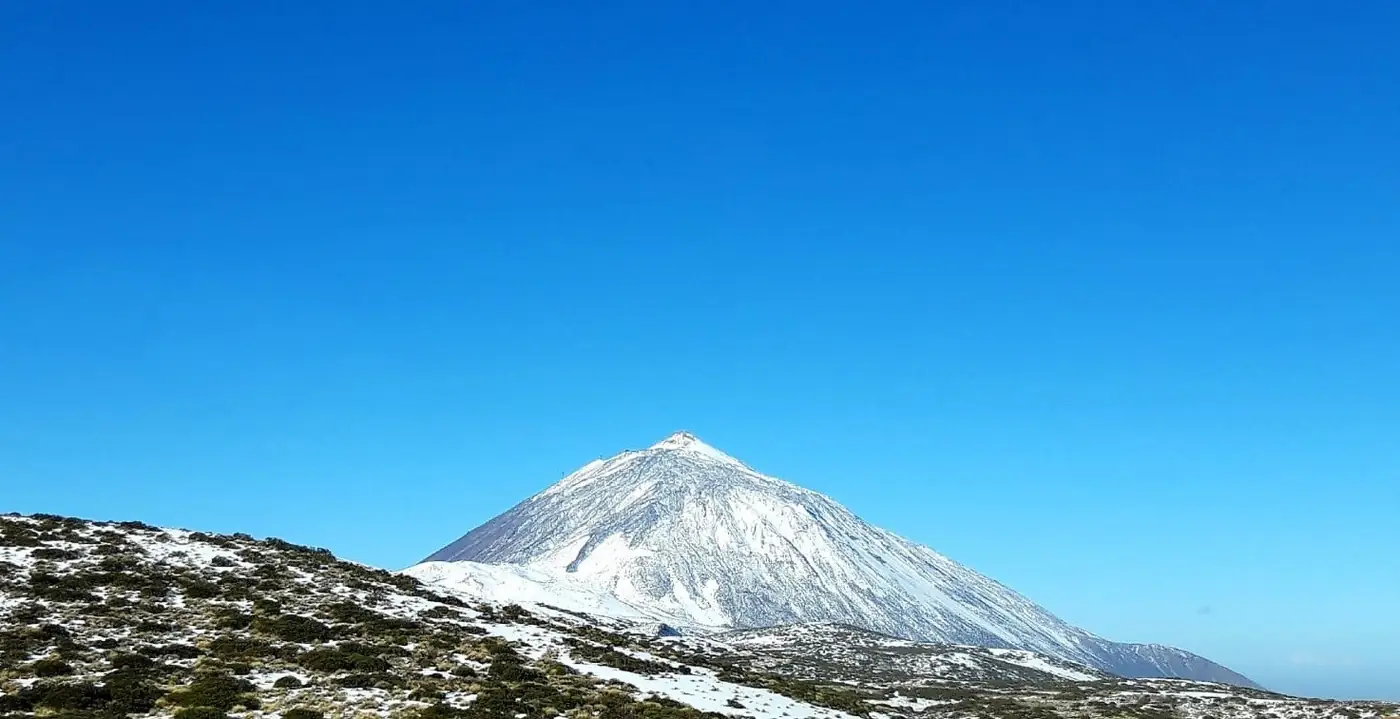
A warm day at the beach can become cold, windy or intensely sunny at altitude. Bring layers, closed footwear, sun protection and water. In winter, snow and ice can affect roads and trails; in warmer months, the landscape can still feel surprisingly cool once cloud or wind arrives.
Visit in spring for remarkable flowers
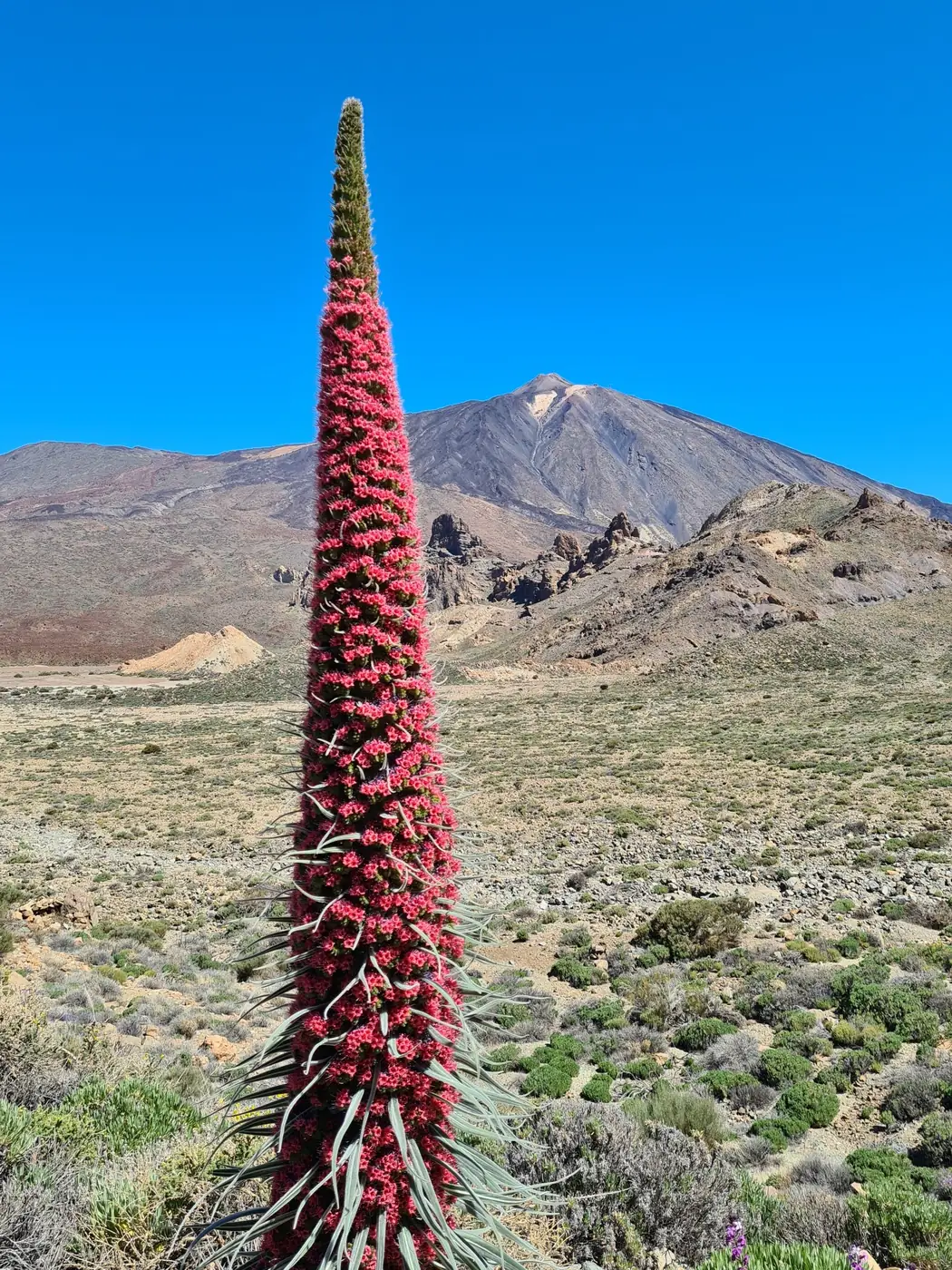
Late spring can bring one of the park’s most distinctive sights: the red flower spikes of Echium wildpretii, commonly known as red tajinaste. Flowering depends on conditions and timing varies, but May and June are often rewarding months for high-altitude plants.
Choose a realistic itinerary
For a first visit, concentrate on the principal viewpoints and rock formations rather than trying to collect every trail. The Roques de García area gives an accessible introduction to the caldera, while the visitor centres at Cañada Blanca and El Portillo can add geological and ecological context.
If you want to hike, use an official route listing and assess distance, ascent, exposure and current restrictions. Tenerife ON uses the MIDE system to describe trail difficulty and duration.
Should you drive or take a tour?
Driving offers flexibility, particularly for viewpoints, but it also means watching the road rather than the scenery. Parking can be pressured at popular stops. A well-run excursion can remove that problem and is especially useful if everyone in your party wants to enjoy the landscape.
Whichever method you choose, do not schedule Teide tightly before a flight or another fixed commitment. Weather, road conditions and cable-car disruption can alter the day.
Check the latest official Teide hiking information before setting out.