The best time to visit Lagos depends on whether you value drier weather, lower prices or the city at its most socially intense. November and December are the obvious cultural headline, but they are not automatically the right choice for every traveller.
November: culture without the full December frenzy
November marks the movement towards the drier season and brings major cultural programming. ART X Lagos usually attracts the contemporary art world, while theatre, fashion, film and music events fill the calendar. The Lagos International Theatre Festival is also associated with November, although visitors should confirm the current year’s dates and venues through the official festival website.
For travellers led by galleries and performance, November offers a compelling balance. Book key events and accommodation early, but the city has not necessarily reached the full intensity of late December.
December: Detty December
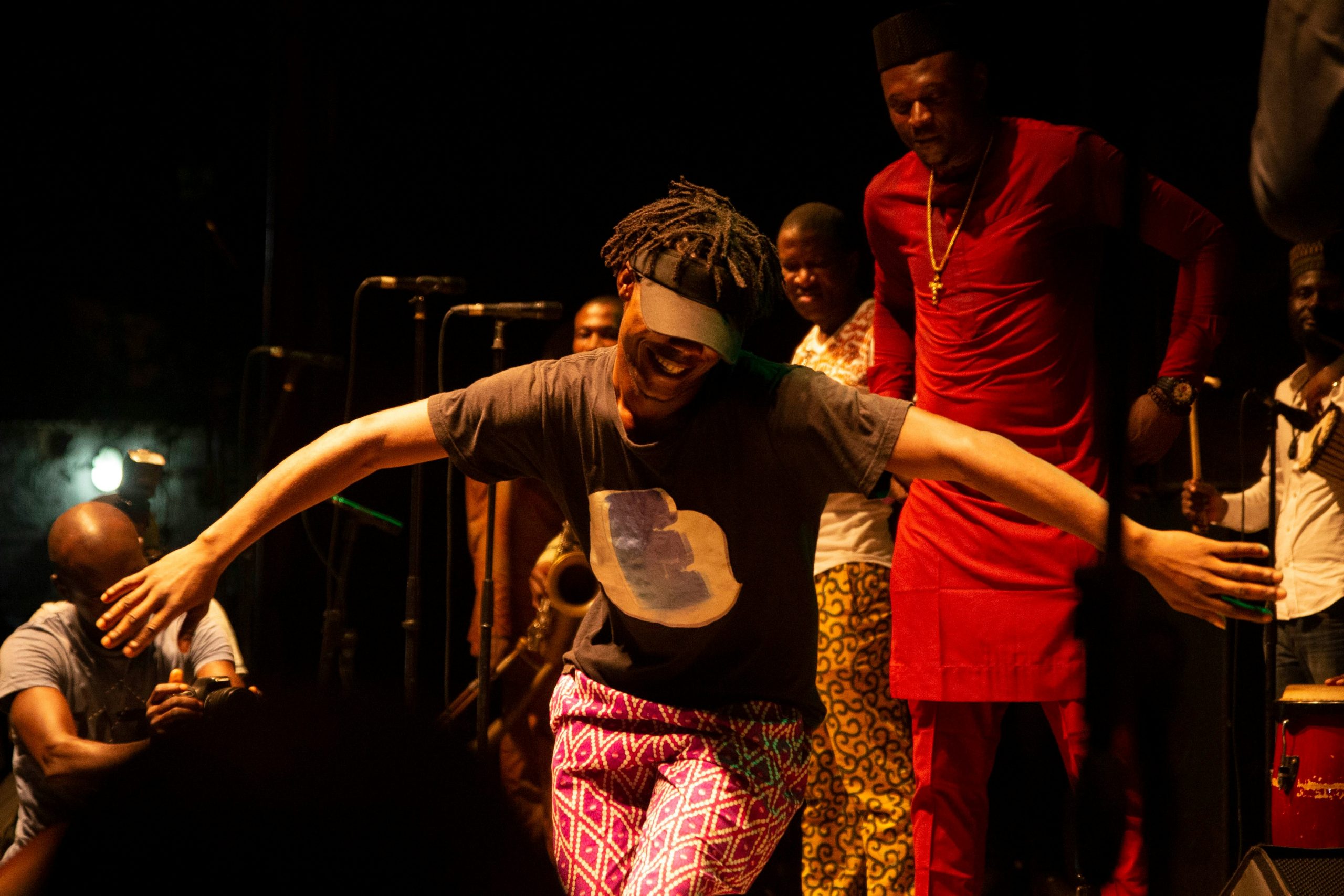
December brings drier conditions and a huge return of Nigerians living abroad, alongside concerts, parties, weddings, restaurant openings and beach events. “Detty December” describes the celebratory season rather than one organised festival. Lagos can feel exhilarating, fashionable and almost impossibly busy.
The trade-offs are real. Flights and hotels become more expensive, restaurants and events require advance booking, and already difficult traffic can become formidable. If nightlife and major concerts are the reason for travelling, December may be ideal. If you want museums, food and neighbourhoods at a gentler pace, it may be the wrong month.
January and February: drier days and a slower city
January can remain busy around New Year, then settles. February is often a useful alternative for travellers who want drier weather without the December premium. Heat and humidity are still part of Lagos life, and Harmattan haze from Saharan dust can affect air quality and visibility during the dry season.
March to May: heat and the return of rain
Temperatures and humidity can feel particularly demanding before the rains become established. Showers increase through the period. This does not prevent a successful visit, but it makes an overfilled walking itinerary even less appealing. Build indoor cultural stops into the hottest part of the day.
June and July: the wettest stretch
Heavy rain can disrupt traffic and cause local flooding. Hotel rates may be more attractive and galleries remain open, yet any itinerary depending on beaches, long road journeys or outdoor events needs flexibility. Do not assume that a short distance will remain quick after a downpour.
August: the brief drier interval
Coastal West Africa often experiences an August reduction in rainfall sometimes described as the “little dry season”. It is not a guarantee of rain-free days, but it can offer a useful window between wetter periods. Conditions vary, so consult a reliable forecast close to travel.
September and October: rain, then anticipation
September can be wet again, while October begins the transition towards the main dry season and the cultural calendar gathers pace. October suits travellers who want exhibitions and events without waiting for the December rush, but showers and flooding remain possible.
Choosing the right month by interest
For art and theatre
Choose November, then build the trip around confirmed programmes rather than assumed annual dates.
For nightlife and major social events
Choose December, book early and accept the prices and traffic as part of the season.
For a calmer first visit
Consider February or early November, when drier conditions may coincide with a more manageable calendar.
For value
Look outside the principal dry-season peak, but keep plans flexible and prioritise a well-located hotel.
Weather is only half the decision
Lagos is shaped by its calendar as much as its climate. A visitor who books for a particular exhibition, festival or performance may accept rain or higher prices because the event is the point. Someone interested primarily in museums, food and conversation has more freedom to choose a quieter week.
Whenever you travel, read the current FCDO advice for Nigeria, confirm entry requirements, arrange suitable insurance and use local guidance for transport.
Plan the rest of the trip
Return to the Lagos destination hub for neighbourhood, food and cultural guides. For the city at its most performative, listen to theatre director Vanessa Jev in the Destination Unlocked Lagos episode.
Featured photograph: Ayoola Salako via Unsplash.