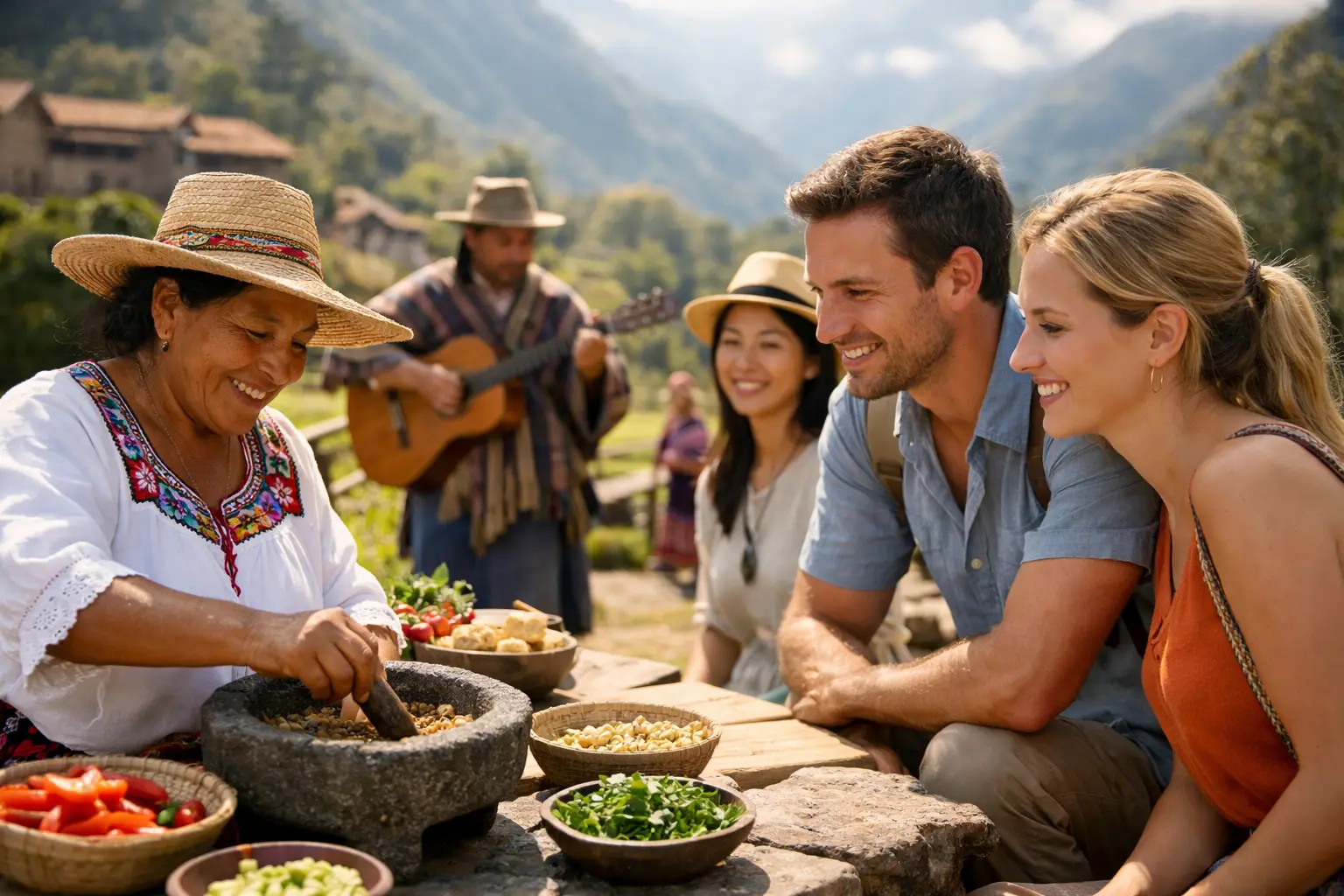
A pasta class in a family kitchen, a dawn walk with a conservation guide, or a neighbourhood food tour can become the story you tell long after the flight home. But knowing how to book authentic local experiences takes a little more than selecting the activity with the most flattering photographs. The best choices are specific, thoughtfully hosted and rooted in the place you have come to see – not a generic outing that could be transplanted anywhere.
For travellers close to booking a hotel, flights and activities, the aim is not to avoid popular sights altogether. It is to give the trip texture: the voice of someone who lives there, a skill that belongs to the region, or access to a corner of the city you would otherwise pass without understanding.
Start with the place, not the activity category
Searching for “best things to do” usually produces a familiar procession of boat trips, cooking classes and walking tours. Those can all be excellent, but the category tells you very little. Start instead with what makes your destination distinct.
In a port city, that might be its fish market, maritime history or relationship with the sea. In a wine region, look beyond a broad tasting and consider a vineyard visit led by the grower, a harvest-season lunch or a cycling route between small producers. In a capital city, ask which neighbourhood has a strong independent food, music or craft scene, then seek an experience that begins there.
This approach is especially useful when choosing where to stay. A hotel in or near the area where your activity starts can turn a good excursion into an easy, unhurried day. An early market tour is much more appealing when it does not require an hour in a taxi before coffee.
Before booking, spend half an hour with a destination guide, a recent local newspaper feature or a conversation with someone who knows the place. The Destination Unlocked podcast is as useful as a guidebook and as personal as a chat with your most well-travelled friend; each 40-minute episode gives you the practical context and local angles needed for a great trip.
What makes a local experience feel genuine?
“Authentic” is an overused word in travel, and it can become a rather slippery promise. A good experience does not need to be rustic, obscure or entirely free of other visitors. It needs to have a credible connection to its setting and to the person leading it.
Look for clear detail in the description. A strong listing explains who the host is, why they know the subject and what will actually happen. “Join Maria, a third-generation ceramicist, in her working studio” says far more than “discover local crafts”. The same applies to food tours: a guide who explains the city’s migration, market traditions and changing restaurant culture will often offer more than a long list of samples.
Pay attention to the group size, too. Small groups are not automatically superior, but they usually make conversation easier and reduce the sense that a local neighbourhood has been turned into a stage set. For hands-on workshops, eight to 12 people is often a comfortable maximum. On a walking tour, a slightly larger group can still work well if there are headphones and a guide with a clear route.
A premium price is not, by itself, proof of quality. It may reflect transport, specialist equipment, fair wages or a genuinely small group. Equally, a modestly priced experience can be excellent if it is straightforward and locally run. Read what is included and compare like with like before deciding.
How to book authentic local experiences with confidence
Once you have found a promising activity, do not book on the first line of copy alone. Reviews are helpful, but read them with a purpose. The most useful reviews mention the host by name, describe a specific moment and explain who the experience suited. A comment such as “we learned a great deal” is pleasant; “our guide changed the route after a sudden downpour and took us to two family-run shops we would never have found” is more revealing.
Sort reviews by newest first. A highly rated tour may have changed guide, route or ownership since last season. Check whether the host replies to questions and criticism with practical information rather than stock phrases. This is a small sign, but it often indicates an operator who pays attention.
Then check the essentials. Confirm the meeting point, finish time, language, accessibility and cancellation terms. If an excursion takes you beyond the city, ask whether transfers are included and how much free time is built in. A day trip can look good value until you discover it spends three hours collecting guests from hotels.
For food, drink and wellness experiences, mention dietary requirements or mobility needs before you book, rather than assuming they can be accommodated on the day. Good hosts will be candid about what is possible. That honesty is more valuable than an enthusiastic promise that leaves everyone improvising later.
Book direct when it makes sense, but protect your plans
Booking directly with an independent guide, studio or family business can put more of your money in local hands and may allow a more personal exchange. It can also be ideal for private tours, bespoke itineraries and activities that need a conversation before they can be tailored.
There is a trade-off. Established booking platforms can offer clearer payment protection, verified reviews and easier cancellation processes, particularly useful when you are arranging several parts of a holiday from the UK. A sensible middle ground is to use platforms to compare availability and feedback, then book in the way that gives you the clearest terms and the greatest confidence.
Whichever route you choose, keep confirmation details saved offline. For experiences with a limited number of places, book early, especially for weekend dates, school holidays and peak summer travel. For a flexible city break, leaving one afternoon open can be just as valuable. It gives you room to follow a recommendation from a bartender, bookseller or museum guide once you are there.
Choose experiences that give something back
The question is not whether tourists should visit local communities. Tourism can support guides, artists, farmers, restaurateurs and conservation projects in meaningful ways. The question is whether your visit is respectful, fairly run and welcome.
Be wary of activities that promise access to private homes, religious ceremonies or marginalised communities without explaining consent, context or benefit. If the description feels vague about where the money goes, who leads the visit or why guests are invited, choose another option. Curiosity is a fine quality in a traveller; entitlement is not.
Wildlife encounters need the same care. Prioritise observation in natural settings, trained guides and operators that keep an appropriate distance. Avoid experiences built around handling, feeding or performing animals for photographs. With cultural performances, look for information about the artists, the tradition and whether the event is part of a living local programme rather than something produced solely for visitors.
The most memorable experiences often leave you with a better understanding of daily life, not merely a better camera roll. They may be quieter than the headline attraction, and occasionally less polished. That is not a flaw. A little unpredictability – a shopkeeper stopping to chat, a seasonal dish running out, rain changing the route – is often evidence that you are participating in a real place rather than consuming a rehearsed version of one.
Make room for the human part
Book the activity, certainly, but arrive with enough time to be present. Put the mobile phone away for portions of the tour. Ask your host what they would recommend for tomorrow, where they go when they want a simple lunch, or what visitors commonly misunderstand about their city. These are not demands for hidden secrets; they are invitations to conversation.
A thoughtful local experience should sharpen the rest of your holiday. It might send you back to a neighbourhood for dinner, change the museum you visit the next morning or persuade you to stay an extra night. Book with care, choose hosts with a real connection to the place, and leave enough space for the destination to surprise you.