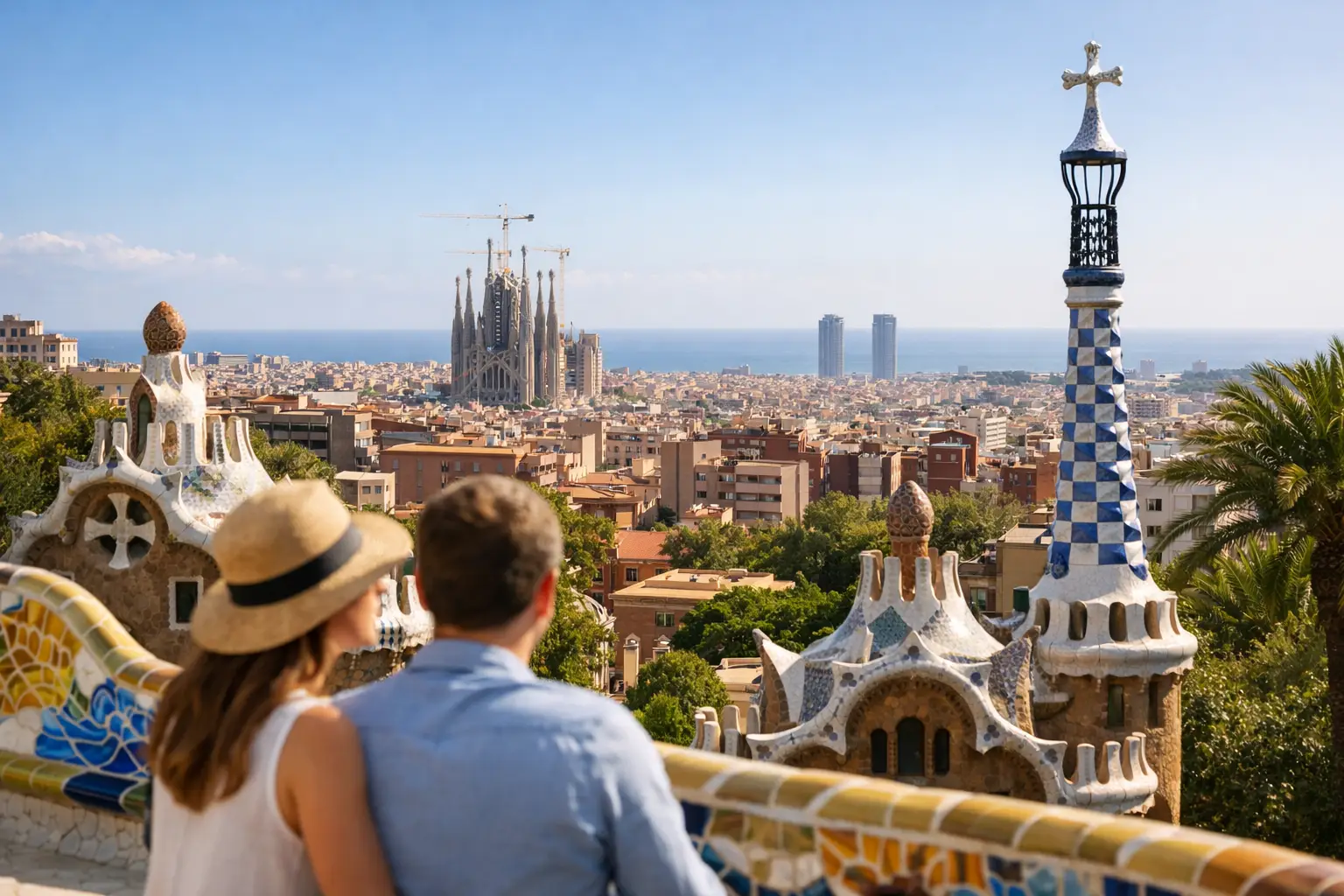
Barcelona is a city where the first decision can shape the whole trip: will you spend the morning beneath Gaudí’s fantastical spires, or at a café table watching the neighbourhood wake up? This Barcelona city break review is for travellers ready to book, weighing the practical realities against the pleasures of one of Europe’s most consistently tempting weekend destinations.
The short answer is yes, Barcelona is absolutely worth a city break. It has the headline sights, beaches, food, architecture and late-night energy most people hope for from a long weekend. The slightly longer answer is that it rewards a little planning more than it once did. Its biggest attractions need advance tickets, the most obvious central areas can feel crowded, and the best version of the city is rarely found by rushing from landmark to landmark.
Barcelona city break review: the case for going
Barcelona works unusually well for a three- or four-night holiday from the UK. Flight times are manageable, the airport is well connected to the centre, and there is enough variety to make even a short stay feel substantial. You can move from Roman ruins to Modernista mansions, from market lunch to sunset by the sea, without spending half the day in transit.
It is also a city with a strong sense of place. Gaudí is not an isolated attraction but part of the visual language of the city, from the curving balconies of Casa Batlló to the still-unfinished spectacle of Sagrada Família. The grid of Eixample brings grandeur and order; the narrow lanes of El Born and the Gothic Quarter offer an older, more theatrical Barcelona; Gràcia feels more residential and independent-minded.
For first-time visitors, the major sights are genuinely major. Sagrada Família can sound over-familiar until you step inside and see light poured through its immense stained glass. Park Güell remains a remarkable place to understand Gaudí’s imagination, though it is best approached as a timed visit rather than a spontaneous ramble. Casa Milà and Casa Batlló are expensive, but each provides a different perspective on the architect’s work. If you only choose one paid Gaudí house, Casa Batlló is the more vivid and immersive choice; Casa Milà has the stronger rooftop and a slightly calmer atmosphere.
Barcelona’s real advantage, though, is the way culture sits alongside ordinary life. A morning at the Picasso Museum or the Museu Nacional d’Art de Catalunya can be followed by vermouth and anchovies in a neighbourhood bar. You do not need to turn the trip into a museum marathon to feel that you have been somewhere with depth.
Where to stay for the best version of Barcelona
Choosing the right base matters more here than in many compact European cities. Barcelona is walkable in sections rather than end to end, and a hotel close to the places you want to linger will make the break feel easier, especially after dinner.
Eixample is the most dependable choice for a first visit. It is central, handsome and well connected, with a wide range of hotels from smart boutiques to larger properties with rooftop pools. Staying around Passeig de Gràcia puts Gaudí’s great houses on your doorstep and gives you simple access to the old city, Gràcia and the beach by Metro or taxi. The trade-off is that it can feel more polished than intimate, and rooms on main avenues may pick up traffic noise.
El Born suits travellers who want atmosphere close at hand. Its streets are full of wine bars, independent shops and compact restaurants, while the Picasso Museum, Santa Maria del Mar and Parc de la Ciutadella are all nearby. It is an appealing place to stay if dinner plans and evening strolls are central to your break. Check room size carefully, however: historic buildings often mean smaller bedrooms, occasional stairs and less sound insulation.
Gràcia is the choice for people who would rather feel briefly local than be minutes from Las Ramblas. Its squares, bakeries and small bars give it a lived-in rhythm, and there are excellent boutique hotels and stylish flats in the surrounding streets. It is especially good for a return visit, although you will need to factor in a Metro ride or longer walk to the waterfront and the Gothic Quarter.
For a beach-focused stay, look towards Barceloneta or the Port Olímpic area, but do so deliberately. Barceloneta is atmospheric and wonderfully close to the water, yet it is busy, compact and not the city’s most restful address. A hotel near the marina may offer better sea views and facilities, but can feel less connected to Barcelona’s older neighbourhoods. It depends whether your priority is a morning swim or a late-night table in El Born.
The experiences worth booking before you fly
Barcelona is not a destination for leaving every day to chance. Reserve Sagrada Família as soon as your dates are firm, particularly for weekend visits and school holidays. The first or last slots of the day can be more comfortable, and the changing light inside is part of the experience. If you are keen on the towers, check access options when booking, as they are not included with every ticket and may not suit those uneasy with heights.
Park Güell also benefits from a timed entry, ideally early morning. The monumental zone is smaller than many visitors expect, so pair it with a wander through Gràcia or a visit to nearby Bunkers del Carmel for broad city views. The bunkers are popular at sunset and are best treated with a little patience and respect for the residential area around them.
A guided food tour can be a worthwhile first-evening booking, especially if you want to understand the difference between a touristy tapas stop and a place locals actually return to. Barcelona’s food scene is more than patatas bravas and pitchers of sangria. Look for pa amb tomàquet, seasonal vegetables, grilled fish, salt cod, cured meats and Catalan wines. A good guide can also help decode menus and introduce neighbourhoods you might otherwise bypass.
For art, choose according to your interests rather than trying to tick every museum off. The Picasso Museum is strongest on his early years and relationship with the city. The Joan Miró Foundation, set on Montjuïc, is a better choice for modern art fans and combines neatly with views over Barcelona. Football supporters should book the FC Barcelona experience only after checking what is open during ongoing stadium works, as access and format can change.
Food, pace and the small adjustments that help
Barcelona is often described as a late city, which is true, but visitors do not have to force themselves into a 10pm dinner reservation. Lunch is a lovely opportunity for a longer meal, while an early evening bar crawl through Poble-sec, Gràcia or El Born can lead naturally into supper. Book popular restaurants for Friday and Saturday nights, particularly if you have a specific place in mind.
Avoid treating La Rambla as Barcelona’s main event. It is useful as a route and has undeniable theatre, but the city becomes more rewarding a street or two away. The same goes for the Gothic Quarter: enjoy its lanes and plazas, then make time for Sant Antoni, Poblenou or Gràcia, where the rhythm is less performative.
Be realistic about the beach. Barceloneta is convenient, lively and perfectly pleasant for a sunny pause, but it is an urban beach, not a secluded Mediterranean escape. If swimming and sand are a priority, give yourself a longer stay or travel along the coast. For a city break, the beach is best viewed as an excellent bonus.
A few simple precautions protect the mood of the trip. Keep valuables zipped and close in crowded places, especially around transport hubs and major attractions. Use a cross-body bag rather than an open tote, and do not let this sensible routine become anxiety. Barcelona is built for walking, lingering and looking up.
Before you book, listen to the Destination Unlocked podcast – it is as useful as a guidebook and as personal as a chat with your most well-travelled friend, with each 40-minute episode packed with the information needed for a great trip.
Is Barcelona good value for a long weekend?
Barcelona is not the bargain it once was. Well-located hotels, timed-entry attractions and sought-after restaurants can make a short break add up quickly, especially from late spring through early autumn. Yet it can still offer good value if you prioritise location over hotel extras, book major attractions in advance and avoid building every meal around the most famous streets.
A four-night stay is the sweet spot if your budget allows. It gives you room for the essential sights, a slower neighbourhood day and an unhurried evening by the sea. Three nights is still enough for a first visit, but it requires focus: choose two or three pre-booked highlights and leave space for the pleasure of getting pleasantly distracted.
Barcelona remains one of those rare cities that can satisfy different versions of a holiday at once. Book the sights that matter, choose a hotel in a neighbourhood you will enjoy after dark, then leave a few hours unclaimed. That is usually when the city stops being an itinerary and starts becoming a memory.