Conservation travel can be uncomfortable territory. A powerful experience is not automatically a useful intervention, and good intentions do not replace scientific expertise or local leadership.
The most persuasive examples begin with a real conservation need. Travellers then provide resources, attention or funding within a project led by the people qualified to carry it out.
In his Destination Unlocked conversation, Sam Bradley describes how Cookson Adventures has worked with partners on projects involving rhinos, elephants and giant tortoises. The attraction for a family is obvious: this is not wildlife watched from a distant vehicle. It is a chance to understand the decisions, expertise and physical work behind conservation.
Participation with a purpose
Sam recalls a rhino intervention in Kenya involving veterinary professionals. The family could observe and assist with carefully assigned tasks while the experts remained responsible for the animal and the operation.
He also describes an elephant translocation between Namibia and Angola, moving animals from an area under pressure to a landscape from which elephants had been absent for decades. Such projects are complex and should never be reduced to a photo opportunity. Transport, welfare, habitat, permissions and long-term monitoring all matter.
The value of bespoke travel is that funding and logistics can sometimes be assembled around a specific need. The danger is allowing the visitor’s experience to become more important than the conservation outcome.
Questions a responsible traveller should ask
Before joining any hands-on conservation experience, ask:
- Who leads the project, and what are their qualifications?
- What conservation problem is being addressed?
- How does the traveller’s money contribute?
- Would the intervention happen without visitors?
- What safeguards protect the animals and local communities?
- What happens after the traveller leaves?
Clear answers matter more than dramatic photographs.
Antarctica and the discipline of leaving no trace
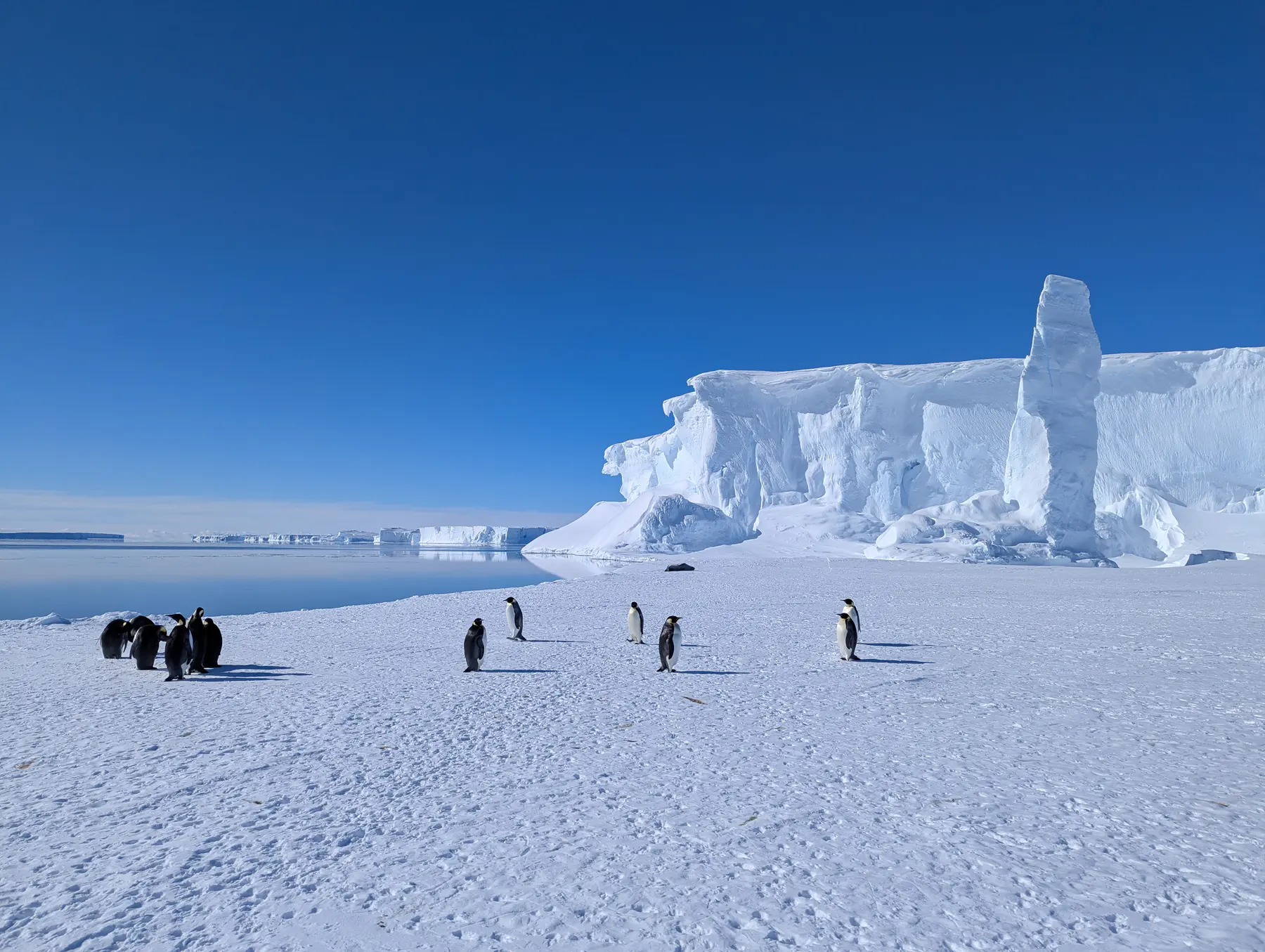
Antarctica offers a different model of responsibility. The visitor’s role is often restraint: clean boots, keep the correct distance from wildlife, take nothing and leave nothing behind.
Sam’s episode links the two ideas. Travel can sometimes make active intervention possible. At other times, its responsibility is to minimise intervention altogether. Knowing the difference is part of travelling well.
Listen to Antarctica Beyond the Cruise with Sam Bradley for the complete conversation.