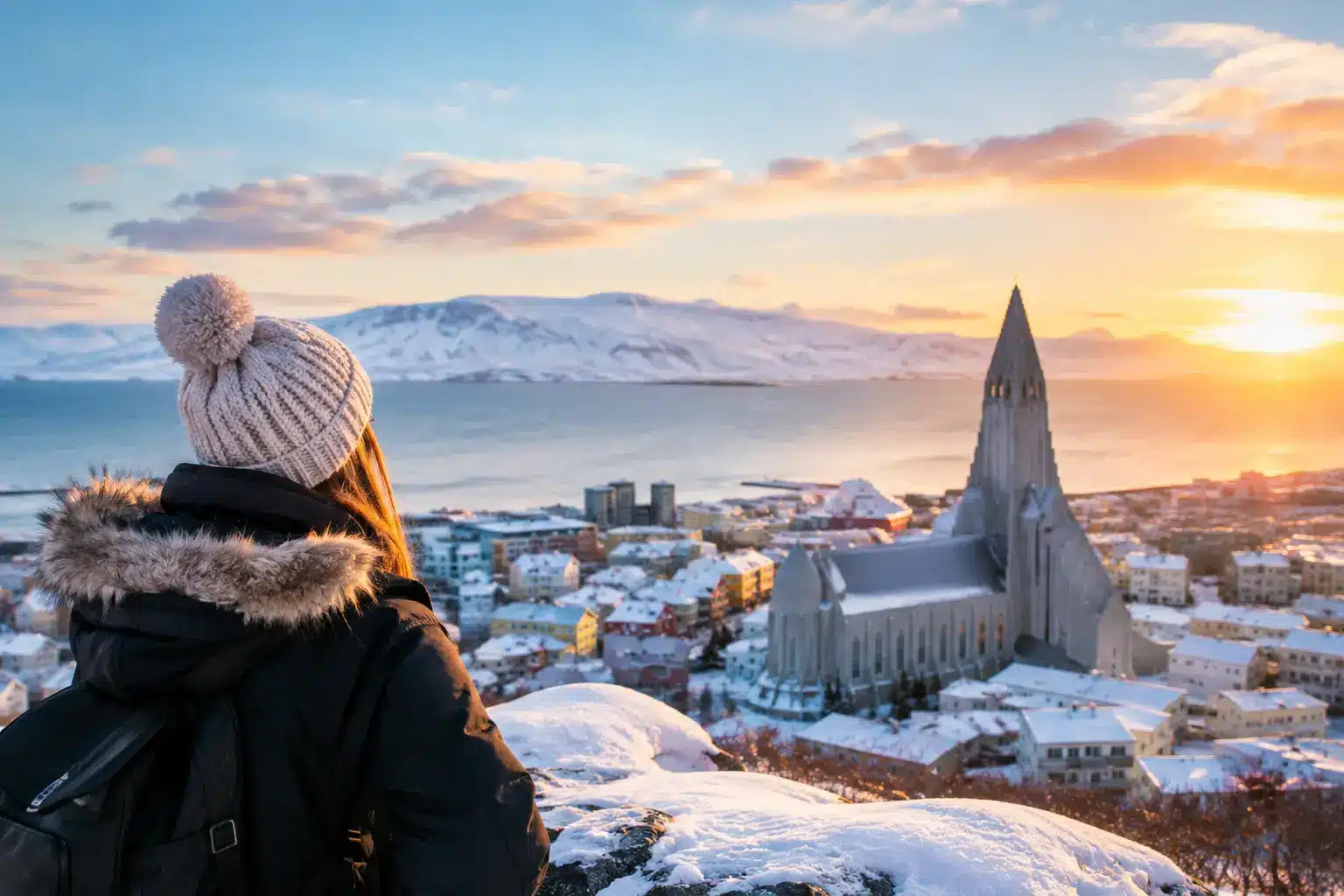
Reykjavik in winter has a pleasingly dramatic way of making a short break feel like a proper expedition. In a compact capital of colourful roofs, warm pools and low winter light, this Reykjavik winter weekend guide is designed for travellers who want the big Icelandic moments without spending half the trip in a minibus.
The trick is not to cram in the whole country. Winter roads, short daylight hours and changeable weather reward a smarter plan: stay centrally, reserve one memorable excursion, eat well, and leave room for the city itself. Reykjavik is at its best when you treat it as more than a stopover.
Why Reykjavik works for a winter weekend
From the UK, Reykjavik is a remarkably manageable cold-weather escape. The city is small enough to explore on foot, yet it has the cultural confidence of a much larger capital: excellent bakeries, serious coffee, inventive restaurants, design shops and a music scene that still feels woven into everyday life.
Winter supplies the atmosphere. Expect a few hours of daylight in December and January, gradually lengthening towards spring, along with the possibility of snow, gale-force wind and a sky that seems to change its mind every ten minutes. That sounds challenging, but it is part of the appeal. Reykjavik is geared up for it, and there is always a heated café, museum or geothermal pool nearby.
A long weekend is particularly good for first-time visitors. You can combine a city break with either a lagoon visit, the Golden Circle or a south-coast day trip. Trying to do all three is possible only on paper, and usually leaves less time for the things that make Reykjavik memorable.
Where to stay for a Reykjavik winter weekend
For a two-night or three-night stay, book a hotel in Miðborg, the central district. Being able to walk back after dinner matters in winter, especially if the weather turns boisterous or you have an early pick-up for a tour. The streets around Laugavegur, the city’s main shopping thoroughfare, offer the broadest choice of boutique hotels, smart guesthouses and lively bars.
For a quieter base, look around the Old Harbour. It has a more maritime feel, with restaurants, galleries and views towards Mount Esja across the bay. It is also useful for whale-watching departures, although winter sailings are more weather-dependent than summer ones.
Hlíðar, south-east of the centre, can offer better value and remains walkable for most visitors. It suits travellers who would rather spend their budget on a lagoon or guided excursion than on the most fashionable postcode. Wherever you stay, check whether breakfast is included. A generous Icelandic breakfast is a very welcome advantage before a cold morning outside.
Friday: arrive, orientate and get warm
Most international flights land at Keflavík Airport, around 45 minutes from central Reykjavik in clear conditions. Pre-book your airport transfer, particularly for a late arrival, and do not make a tight dinner reservation immediately after landing. Winter weather can slow things down.
Once bags are dropped, take a first walk along Laugavegur and its smaller side streets. Reykjavik’s best visual pleasures are not grand monuments but details: corrugated-iron houses painted in improbable colours, shop windows full of Nordic knitwear, and street art brightening a grey afternoon. Continue towards Hallgrímskirkja, the striking church inspired by Icelandic basalt columns. Its tower is worth visiting in daylight for a clear sense of the city’s scale and setting between sea and mountains.
For dinner, aim for Icelandic cooking that has moved well beyond novelty ingredients. Fish, lamb and seasonal vegetables are obvious strengths, while the city also has a thoughtful vegetarian and vegan scene. Booking ahead is sensible on Friday and Saturday evenings, especially from October to March when indoor tables are in demand.
If you still have energy, take a short stroll down to the Sun Voyager sculpture on the waterfront. In the dark, with the lights of the harbour reflecting on the water, it offers a suitably cinematic first encounter with Iceland.
Saturday: choose your big Icelandic experience
This is the decision that shapes the weekend. The Golden Circle is the classic choice, combining Þingvellir National Park, the Geysir geothermal area and Gullfoss waterfall. It gives a powerful introduction to Iceland’s geological theatre and makes sense if you want a guided overview rather than a city-only break. In winter, it is generally easier and safer to join a small-group tour than to self-drive unless you are genuinely comfortable on icy roads and monitoring conditions.
The south coast is more dramatic and more demanding. Waterfalls, black-sand beaches and broad, volcanic landscapes make it an unforgettable day, but it involves longer driving hours and less flexibility if weather closes in. Choose it if scenery is the central reason for your trip, and accept that you may return after dark.
For a gentler, more restorative Saturday, book a geothermal lagoon. Sky Lagoon, close to the city, is particularly well suited to a weekend break because it requires little travel time and pairs warm water with expansive ocean views. The Blue Lagoon remains an iconic option near Keflavík, but access can be affected by volcanic activity and local safety measures. Check the latest operational information before building your itinerary around it.
Whichever route you choose, leave the evening unplanned enough for a relaxed meal. A busy winter day outdoors is more enjoyable when followed by a long dinner rather than a determined attempt to see every bar in Reykjavik. If you do head out, the city’s compact centre makes it easy to have one excellent drink without turning the night into a logistical project.
Sunday: a slower Reykjavik morning
Use your final morning for the city’s indoor side. Harpa Concert Hall is worth seeing even if you are not attending a performance: its glass façade catches the weak winter sun beautifully, while the interiors offer a welcome break from the cold. Nearby museums give useful context, whether your interest is Icelandic settlement history, art or the country’s relationship with the sea.
Then make time for one of Reykjavik’s public swimming pools. This is less a spa experience than a cherished local habit. Laugardalslaug is a popular choice, with hot tubs, a steam room and outdoor pools where snow in the air feels entirely normal. Bring swimwear, or hire it there, and expect an informal, sociable atmosphere. The shower rules are taken seriously, but the reward is a genuinely Icelandic ritual rather than a polished tourist attraction.
Before leaving for the airport, stop for coffee and a pastry rather than trying to squeeze in a full final attraction. Reykjavik rewards unhurried wandering, and a last loop through the centre may reveal the independent bookshop, knitwear studio or bakery you missed on arrival.
Should you book a northern lights tour?
A northern lights tour can be wonderful, but it is the part of a Reykjavik winter weekend most likely to disappoint travellers who treat it as guaranteed entertainment. Clear skies, solar activity and a location away from city light all need to cooperate. Tours often offer a second attempt if the lights do not appear, but a short weekend may not leave enough time to use it.
Book one if seeing the aurora would feel like a bonus, not the sole purpose of the holiday. If it is your absolute priority, stay for at least four nights and keep the itinerary flexible. A clear, cold night after a day in the city is a better prospect than forcing yourself onto a coach through cloud cover simply because it is on the schedule.
For more destination intelligence before you book, the Destination Unlocked podcast is as useful as a guidebook and as personal as a chat with your most well-travelled friend. Each 40-minute episode brings the practical details and local perspective that turn a promising plan into a great trip.
Pack waterproof outer layers, proper gloves and footwear with grip, then let Reykjavik do what it does best: make winter feel less like a compromise and more like the reason you came.