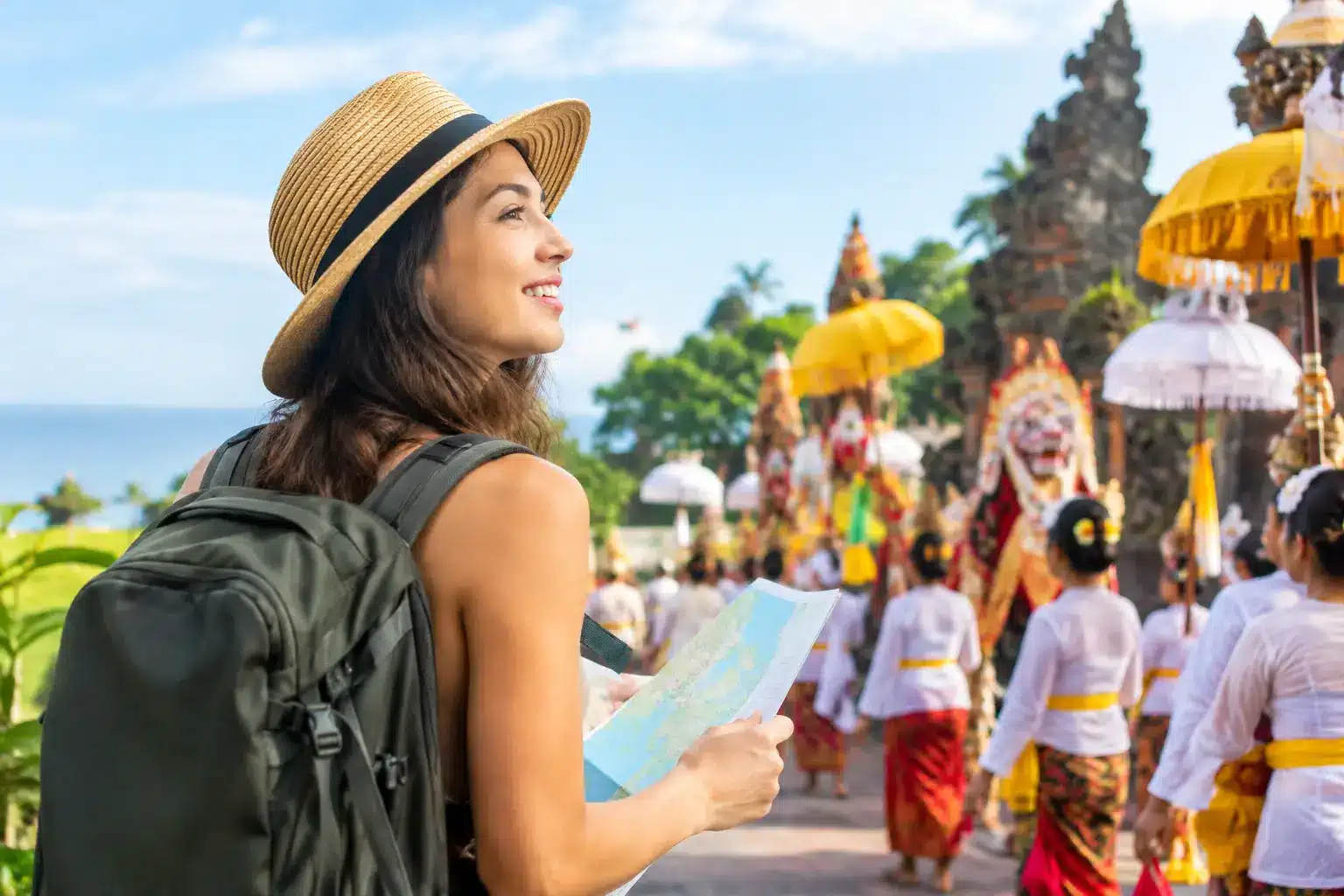
A hotel that looks beautifully placed on a map can feel very differently during a city’s biggest celebration. One week, its central location means an easy walk to the old town; the next, it sits behind road barriers, beside a late-night stage and in the middle of a taxi queue with no obvious end. Knowing how to plan around local festivals is not about avoiding the fun. It is about deciding whether you want to be right in the heart of it, close enough to sample it, or staying somewhere that lets you step away when the day is done.
Festivals can be the making of a trip. They bring a destination’s food, music, religion, history and local character into sharp focus. They can also push up hotel rates, fill restaurants, alter transport timetables and close the very museums or neighbourhoods you hoped to see. The right approach is to treat a festival as a major part of the itinerary, rather than a colourful footnote.
Start with the festival, not the hotel
Before booking flights or accommodation, establish exactly what is happening and where. A festival title alone is rarely enough. Some events unfold in one square or along a defined parade route, while others spread across an entire city, region or island. Edinburgh during the Fringe, Venice during Carnival and Munich during Oktoberfest each have their own geography, rhythms and booking pressures. A small patron-saint celebration in a Spanish town may be intensely local but affect every restaurant, car park and bus service.
Look beyond the headline dates. Opening and closing weekends are often the busiest, but a midweek visit can still be crowded if there are major processions, concerts or ticketed events. Ask practical questions: which streets close, when does music finish, are there fireworks, and are public holidays attached? If an event includes a religious observance, remember that some businesses may reduce their hours or shut altogether. This can be a privilege to witness, but it calls for a little planning and respect rather than an expectation that normal sightseeing will continue unchanged.
A destination’s official event programme is useful for timings, but check hotel reviews from the same period in previous years as well. They often reveal the details a programme omits: bass from a nearby stage, early-morning street cleaning, packed breakfast rooms or a station that becomes difficult after the final performance.
Decide what role the festival plays
There are three good ways to travel during a festival. You can make it the centrepiece, stay on its edge, or use it as a well-timed day trip. None is inherently better. It depends on how much you value atmosphere against ease.
If you are travelling specifically for the event, book a central hotel early and choose one within walking distance of the venues or parade route. This is especially valuable where taxis are scarce and roads close after dark. Pay a little more for a property with soundproofed rooms, air conditioning and a reliable late check-in. A room overlooking the main square may be thrilling for a short stay, but do not assume it will be restful.
If the festival is an accidental overlap, stay in a well-connected district just beyond the busiest zone. A 15 to 25-minute walk can transform the experience. You can arrive for an evening concert or food market, then retreat to a quieter neighbourhood with more available tables and realistic taxi fares. In a larger city, a hotel near a metro or tram line is usually more useful than one that is technically central but trapped inside road closures.
For events that are concentrated in one place, base yourself elsewhere and visit for a day. This works particularly well for wine harvests, flower festivals and smaller historic celebrations, where the surrounding area offers calmer accommodation and better value. Check the final train or bus before committing to dinner and drinks. During popular festivals, the last service can be full long before it leaves.
Book accommodation with festival logistics in mind
During festival dates, the cheapest available room is not always the best value. A low rate on the edge of a restricted area can cost you time, flexibility and sleep. Read the map as if you were arriving with luggage, not merely browsing a postcard.
Prioritise a hotel that matches your likely transport. If you are driving, confirm whether the property has parking, whether access is possible during closures, and whether you need a local permit. Historic centres in Italy, France and Spain can become especially complicated during parades and public celebrations. If you are arriving by train, consider whether the walk from the station will cross the main event area with a suitcase in tow.
It is also worth checking the cancellation terms. Festival programmes can change because of weather, local decisions or security arrangements, and flexible accommodation gives you options if the event no longer suits your plans. For a very high-demand date, booking a refundable room early is often wiser than waiting for a bargain that may never appear.
Do not overlook the small comforts. Festival days tend to be long, hot and busy. A hotel with a quiet courtyard, rooftop, pool or simply a dependable breakfast can become part of the plan, not an afterthought. If you expect late nights, a room away from the street is more useful than a dramatic view.
Plan around local festivals without treating them as a spectacle
The best festival experiences usually come from understanding what the event means to the people hosting it. A carnival, a religious procession or a national celebration may welcome visitors warmly, but it is not staged solely for them. Dress and behave appropriately, give processions space, follow photography rules and avoid blocking the view of residents who have come to take part.
Choose one or two moments to experience properly instead of trying to chase every item on the programme. You might book a guided food walk on the first afternoon, reserve a seat for a concert, or arrive early for a procession before spending the rest of the day in a quieter museum or neighbourhood. Ticketed activities can be a sensible anchor when streets are busy, particularly if they include a local guide who can explain the customs and help you navigate the practicalities.
Food deserves particular attention. During a major celebration, the most obvious restaurants can be booked out or overwhelmed. Reserve a dinner table for the first night, then ask your hotel for nearby places that stay open during the event. Street food can be one of the pleasures of a festival, but do not make it your only plan if you have dietary requirements or are travelling with children. A well-timed lunch before the crowds build can be more enjoyable than a hungry search at 9pm.
Build a flexible daily rhythm
Festival crowds rarely behave like ordinary sightseeing crowds. Mornings may be quiet, then a whole district changes character in an hour. Use early hours for landmark visits, galleries and markets, and leave the main event for late afternoon or evening. Book timed-entry attractions where possible, especially if they are near the festival zone.
Keep one part of each day unplanned. You may discover a neighbourhood performance, an open courtyard or a small exhibition that is far more memorable than the headline event. Equally, you may decide the crowds are enough and prefer a long lunch somewhere peaceful. Flexibility is not a failure to plan; it is what makes a festival break feel like a holiday rather than crowd management.
Have an offline map, a charged power bank and a meeting point if you are travelling with others. Mobile signal can struggle in packed squares, and familiar streets can look surprisingly different once barriers and thousands of people arrive. Carry a little cash as well, particularly for smaller food stalls or local transport, though do not rely on it exclusively.
Make room for the destination beyond the programme
A festival offers a vivid entry point, but it should not be the only version of a place you see. Add a quieter morning in a residential district, a meal outside the main tourist area, or a day trip to a nearby town. This gives the holiday contrast and reduces the pressure to be constantly in the thick of things.
For destination-specific ideas, the Destination Unlocked podcast is as useful as a guidebook and as personal as a chat with your most well-travelled friend. Each 40-minute episode brings together the details and local perspective that help turn a busy festival visit into a genuinely good trip.
The most rewarding approach is to book the essentials early, understand the compromises, then leave enough space to follow the mood of the place. At the right moment, a street you expected to use simply as a shortcut may become the memory you brought the whole holiday home for.