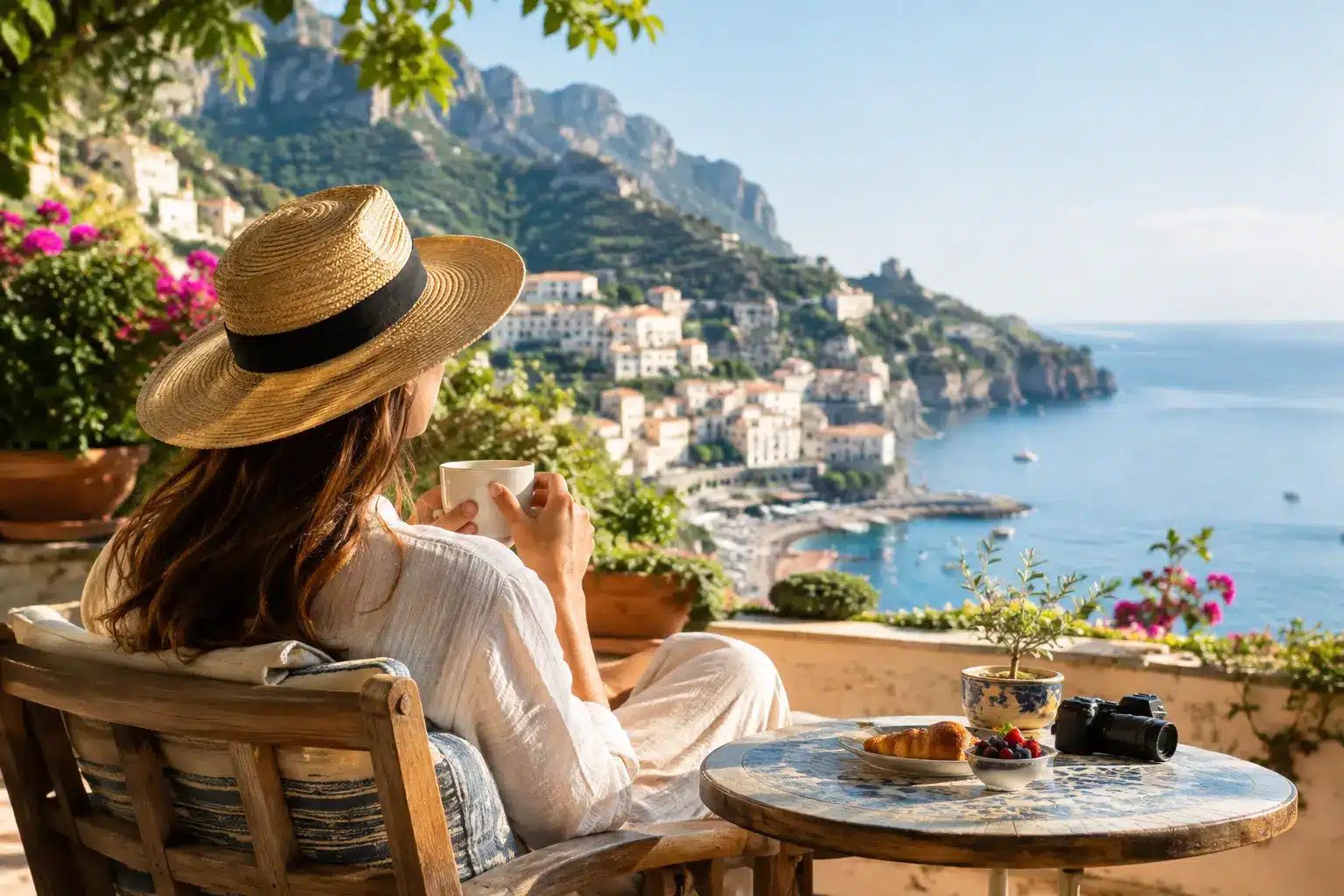
The best short breaks no longer begin with a colour-coded race around a city. The most appealing slow travel weekend trends are about choosing one excellent base, keeping the diary deliberately light and leaving enough space for the pleasures people actually remember: a long lunch, a swim before breakfast, a neighbourhood wine bar discovered by chance, or a conversation with the person behind the counter.
For British travellers, this is a particularly useful correction to the old two-night city-break formula. A Friday-to-Sunday escape can feel surprisingly substantial when the journey is sensible, the hotel is in the right part of town and the itinerary is built around one or two good experiences rather than a desperate attempt to see everything. It is less about travelling slowly for its own sake and more about using limited holiday time well.
Why slow travel works for a weekend
Slow travel once suggested long rail journeys and a month in rural Italy. It now has a more practical meaning. For a weekend, it means reducing the number of decisions, transfers and check-ins that interrupt a break. You might stay in one district of Lisbon rather than ticking off every viewpoint, book a country-house hotel within reach of a market town, or take the overnight ferry and spend two unhurried days in a compact European city.
This change is partly a reaction to packed itineraries, but it is also a matter of value. Flights, trains and hotel rooms are expensive enough that travellers want a trip to feel restorative as well as exciting. Spending more on a characterful hotel with a proper breakfast, a good bar and walkable surroundings can make more sense than choosing the cheapest room on the outskirts and paying for taxis all weekend.
The trade-off is obvious: you will not return with a checklist of every major sight completed. Yet most places reward repeat visits, and a weekend that leaves you wanting to return is often the better holiday.
The slow travel weekend trends shaping bookings
One neighbourhood, not the whole city
The strongest trend is a move away from treating a destination as a collection of landmarks. Travellers are booking around neighbourhoods with an identity – the old town, harbour quarter, arts district or village centre – and using that area as the centre of the trip.
In practical terms, look for a hotel within easy walking distance of cafés, evening restaurants and at least one cultural stop. In cities such as Copenhagen, Porto, Amsterdam or Edinburgh, this can transform the experience. You can step outside after breakfast, wander without consulting a map every five minutes and return to your room for an hour before dinner if the weather turns or your feet object.
Location matters more than a long facilities list. A small independent hotel on a lively but not overly noisy street may deliver a more memorable break than a larger property that requires a commute to every meal. Read recent guest comments closely for notes on soundproofing, nearby transport and whether the immediate area feels enjoyable after dark.
Hotels that are part of the plan
A slow weekend asks more of its accommodation. The hotel is no longer simply where bags are left between sightseeing sessions. It is the place for a late breakfast, a book before supper and the occasional decision to do rather less.
That does not automatically mean a five-star stay. A well-run guesthouse, design-led inn or flat-style suite can be ideal, depending on the destination and who is travelling. Couples may value a small spa, terrace or excellent restaurant. Friends might prefer a central place with two proper bedrooms. Solo travellers often benefit from a sociable lobby, a bar and staff who can point them towards the local rhythm of the area.
When comparing rooms, consider the details that affect an unhurried stay: check-in times, breakfast hours, luggage storage, a comfortable communal space and whether you can walk to dinner. A slightly later departure can be worth paying for on a Sunday, especially if it turns the final morning into a leisurely brunch rather than a rushed exit.
One bookable experience with local texture
Slow travel is not synonymous with doing nothing. The difference is that activities are chosen for depth rather than volume. A small-group food tour on the first evening can orientate you brilliantly. A guided walk with a local historian, a vineyard visit with transport included, a cookery class or a half-day boat trip may become the defining memory of the weekend.
Book one anchor experience in advance, ideally for Saturday morning or late afternoon, then leave the rest flexible. This gives the trip shape without making it feel managed. If you are visiting a place known for a popular attraction, reserving a timed entry can still be wise. Slow travel should not mean wasting an hour in a queue when that hour could be spent over coffee nearby.
Choose carefully, however. An excursion that requires a 6am meeting point, three coach changes and a packed lunch may be a poor fit for a two-night break, however impressive the photographs look. The most rewarding activities tend to bring you closer to a place, not further from it.
Rail, ferry and the pleasure of a slower arrival
The journey itself is becoming part of the appeal. Rail-friendly weekends remain attractive where direct routes are practical, while ferry crossings offer an easy change of pace for coastal breaks and destinations reached via the Channel. Even when flying is the sensible option, travellers are increasingly choosing airports and arrival times that protect the first and final day rather than simply chasing the lowest fare.
This is where slow travel is not a moral test. A flight may be the only realistic way to reach a destination for a short break. The better question is whether the route supports the sort of weekend you want. A direct Friday morning flight to a walkable city can be calmer than a complicated train itinerary with late connections. Equally, a three-hour rail journey may be more relaxing than a flight that involves two airport transfers and an early start.
Smaller cities and shoulder-season escapes
The desire for space, local character and better-value hotel rooms is putting smaller cities and second-city breaks in the frame. These places often have enough galleries, restaurants and history for a long weekend without the pressure of a capital city’s greatest-hits circuit. They can also be easier places to settle into, particularly outside peak summer.
Shoulder season suits the slow approach especially well. Spring and autumn bring more manageable temperatures for walking, greater availability at sought-after restaurants and a chance to book the hotel you really want. A rainy November weekend can even work beautifully if the destination has excellent museums, cosy cafés and a hotel you are pleased to spend time in.
How to plan a genuinely unhurried short break
Start with a simple rule: one destination, one hotel, one pre-booked activity. Everything else should be optional. This does not produce an empty itinerary. It creates room for the city or region to reveal itself.
Give Saturday a loose structure. Begin with the experience you booked, choose lunch nearby rather than across town, and reserve dinner only if there is a restaurant you would be disappointed to miss. Keep Sunday close to your hotel and departure point. The final hours of a weekend should feel like part of the holiday, not an administrative obstacle course.
Research remains useful, but seek the sort that adds confidence rather than anxiety. Listen for recommendations from people who know a place well: which district suits your style, what is worth reserving, where tourists tend to overpay and what small ritual makes the destination feel more personal. The Destination Unlocked podcast is as useful as a guidebook and as personal as a chat with your most well-travelled friend. Each 40-minute episode has the information you need for a great trip.
What slow travel is not
There is a temptation to turn the idea into another form of travel perfectionism. It is not a requirement to travel by train, avoid well-known sights or pretend that a famous museum is beneath you. If you have wanted to see the Uffizi, the Sagrada Família or Edinburgh Castle for years, book the ticket and enjoy it properly.
Nor does slow travel require a remote cottage with no mobile signal. For some travellers, a perfect slow weekend is a smart central hotel, a lively market and a table at the city’s most exciting new restaurant. For others, it is a coastal walk and a pub lunch. The common thread is intention: fewer commitments, better choices and enough time to notice where you are.
When you book your next two-night escape, resist the urge to add one more district, one more day trip or one more attraction simply because it is nearby. Pick the hotel that makes the destination easy to inhabit, reserve the experience that genuinely excites you, and allow the rest of the weekend to breathe.