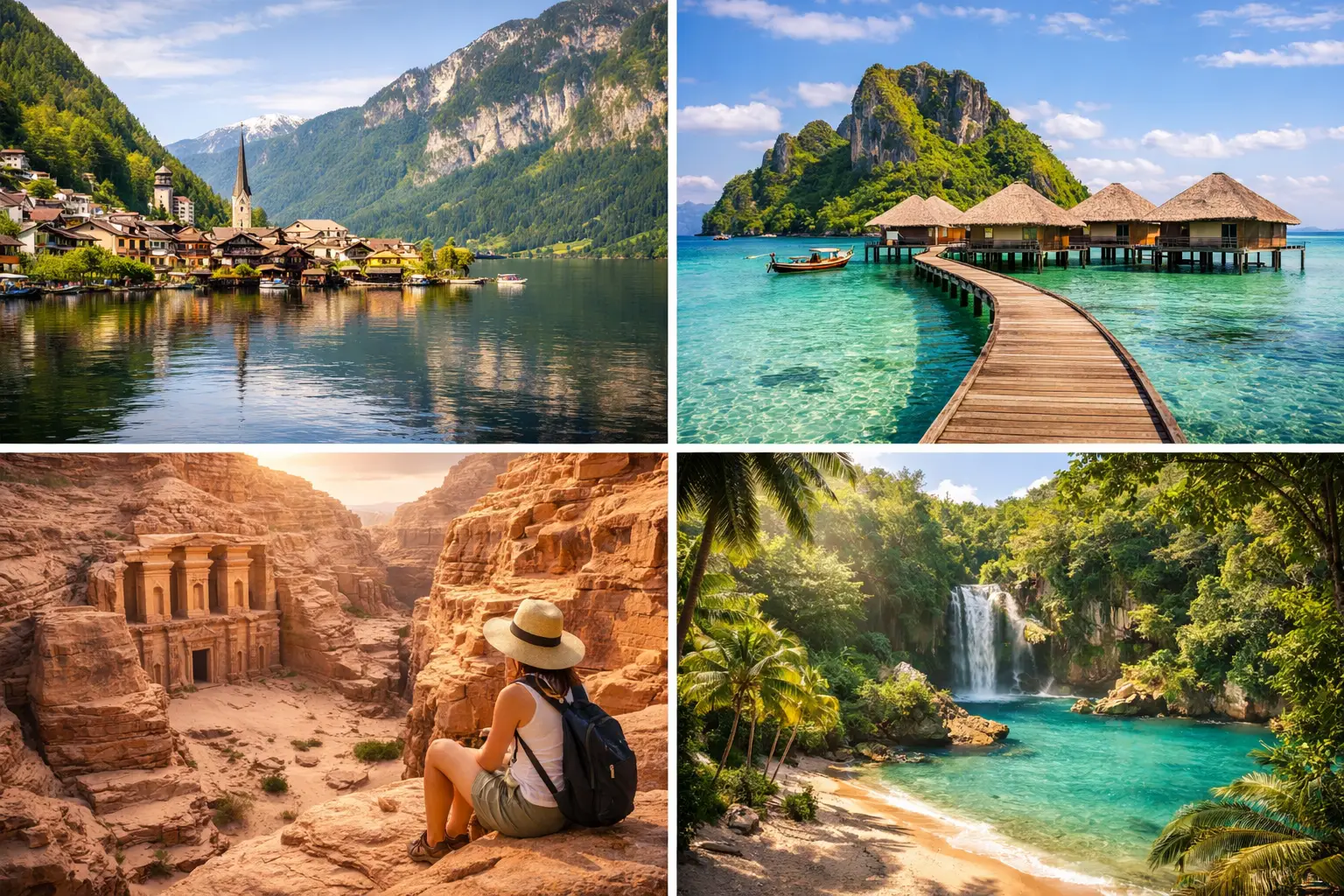
The problem with many bucket-list places is not that they are overrated. It is that they are over-repeated. The same city breaks, the same beach towns, the same neat list of must-sees can make travel feel oddly predictable. That is exactly why lesser known holiday destinations have such pull. They give you the pleasure of surprise again – and often a stronger sense of place.
That does not mean chasing obscurity for its own sake. A good under-the-radar destination still needs substance: a clear local identity, enough infrastructure to travel comfortably, and experiences that feel rooted rather than staged. The sweet spot is somewhere that has plenty to say, but has not yet been flattened into a greatest-hits reel.

Why lesser known holiday destinations feel different
What people often want from a trip is not simply sunshine, landmarks or a hotel with a pool. They want texture. They want a destination that reveals itself gradually, through food, neighbourhoods, landscapes and conversations. Lesser known holiday destinations tend to offer that in a more natural way because you are not constantly being funnelled through the same visitor script.
There is a practical upside too. Prices can be more reasonable, particularly outside peak periods, and availability is often better. You may find better value in restaurants, more space on beaches or hiking trails, and a gentler rhythm overall. That said, lesser known does not automatically mean cheap, empty or untouched. Some places are simply overshadowed by bigger names nearby, while others are quietly popular with regional travellers but less visible internationally.
[yarpp]
The trade-off is that these trips sometimes require a little more curiosity. You might need to connect through a smaller airport, hire a car, or do more planning around local transport. For many travellers, that is part of the appeal.
10 lesser known holiday destinations worth your attention
Puglia, Italy
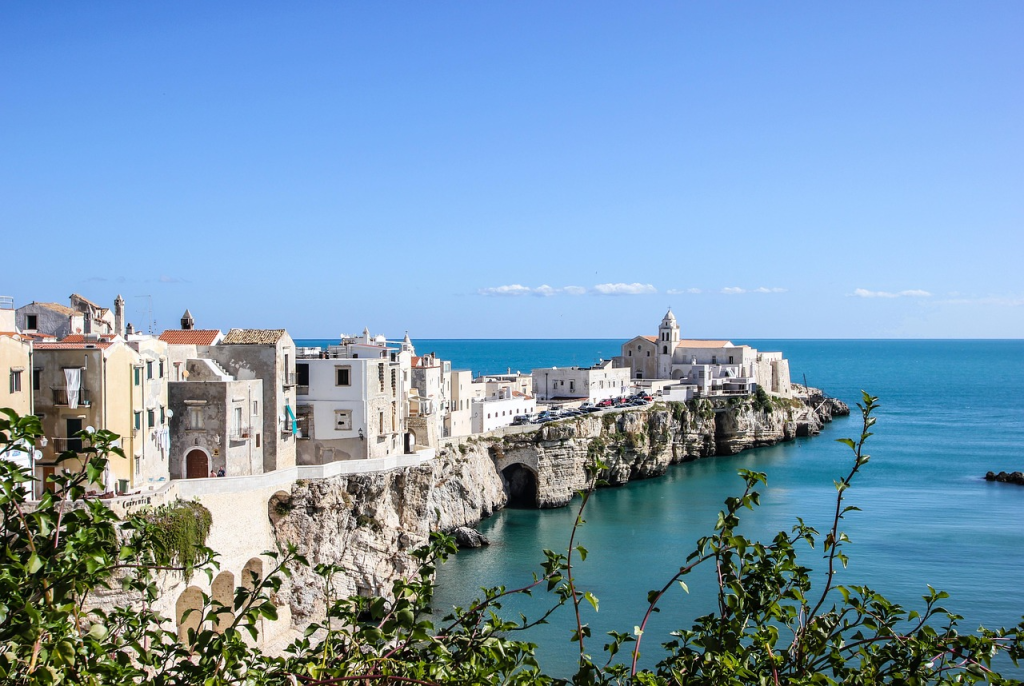
Tuscany and the Amalfi Coast dominate the conversation, but Puglia has a character all its own. Whitewashed towns such as Ostuni and Locorotondo feel cinematic without trying too hard, while the coastline shifts between polished Adriatic resorts and quieter rocky coves. Food is central here – orecchiette, burrata, grilled fish, olive oil with real depth – and it tends to be served with less ceremony and more warmth.
Puglia works especially well if you want a fly-and-drive holiday with variety. You can move between handsome towns, beach days and countryside stays with relative ease. In high summer it is busy, particularly in the Salento, so shoulder season is often the smarter choice.
Asturias, Spain
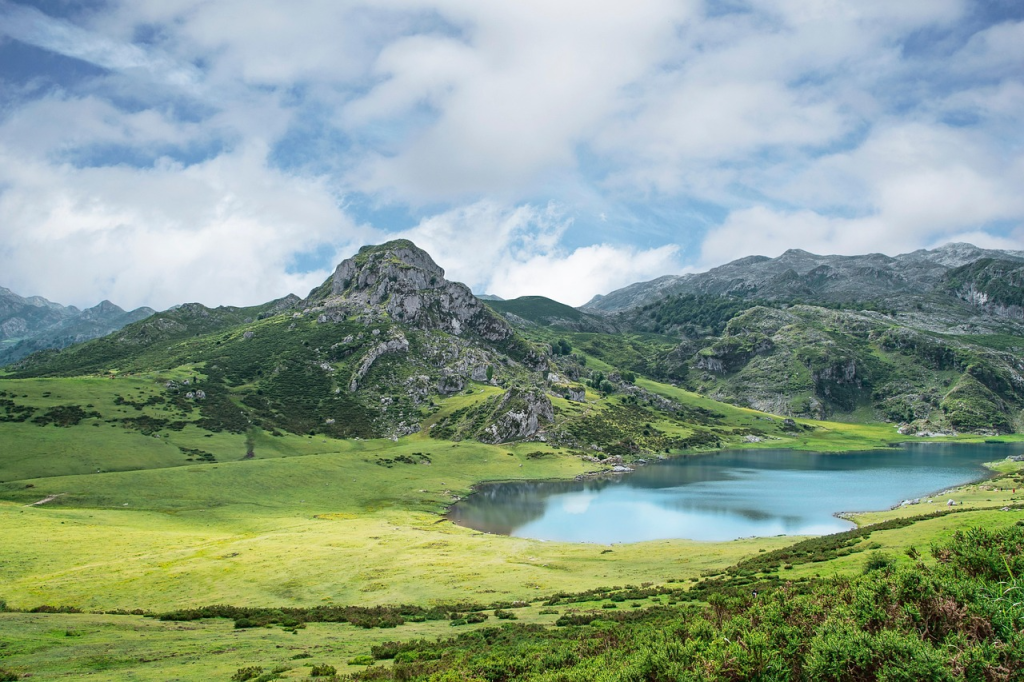
For travellers who love Spain but want a break from the standard Mediterranean circuit, Asturias is a brilliant curveball. This is green Spain: dramatic coastline, mountain scenery, cider culture and a food scene that feels hearty and regional rather than export-friendly. Oviedo and Gijon are easy, liveable cities, and the Picos de Europa sit close enough for walking days and big views.
It suits people who measure a holiday in landscapes and long lunches, not just sun hours. The weather is less predictable than in Andalusia or the Balearics, but that shifting Atlantic mood is part of the region’s charm.
Kotor Bay, Montenegro
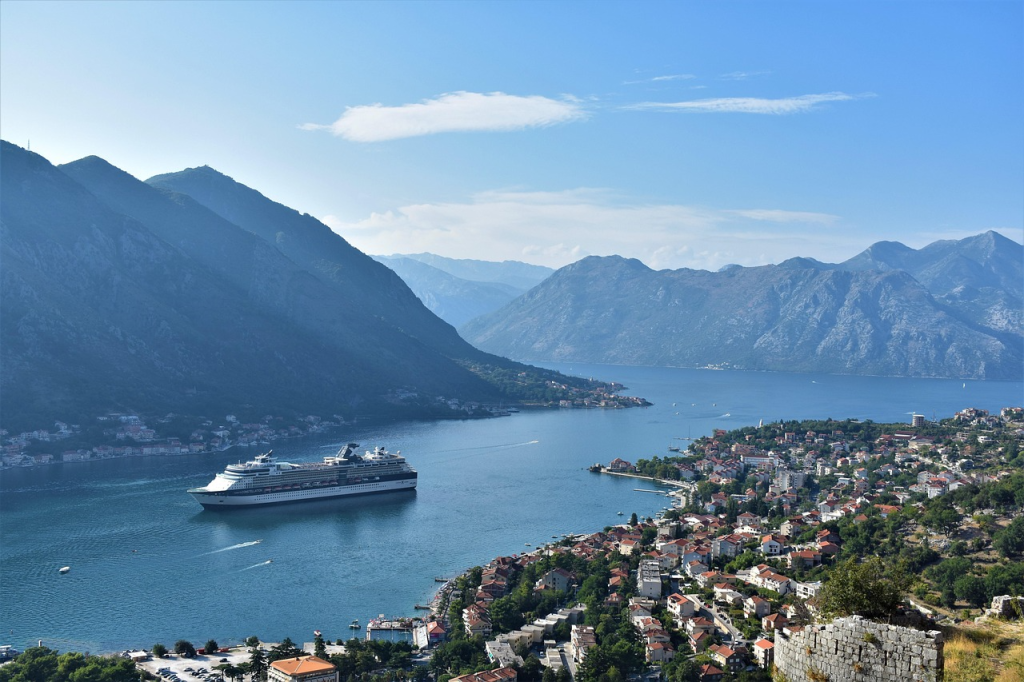
Montenegro is no secret to everyone, but Kotor Bay still feels more nuanced than many better-known Adriatic breaks. The setting is striking – mountain walls dropping into calm water, old stone towns, church-topped islets – yet the atmosphere can be surprisingly low-key once you step beyond the most photographed corners.
It is a good option for a shorter trip, especially if you want scenic drama without committing to a large country itinerary. The caution here is simple: cruise traffic can change the feel of Kotor itself. Staying in Perast, Herceg Novi or one of the smaller bay settlements often gives you a more balanced experience.
Goiás, Brazil

Brazil is usually sold through Rio, Bahia or the Amazon, but Goiás offers something quieter and more interior. The colonial town of Pirenopolis has colour, waterfalls and a strong sense of local life, while Chapada dos Veadeiros National Park brings high-altitude cerrado landscapes, swimming holes and striking rock formations.
This is not the easiest first-time Brazil itinerary, and that is partly why it remains under the radar. But for travellers who have already done the obvious or want nature and small-town character in one trip, it delivers a different side of the country.
Alentejo, Portugal
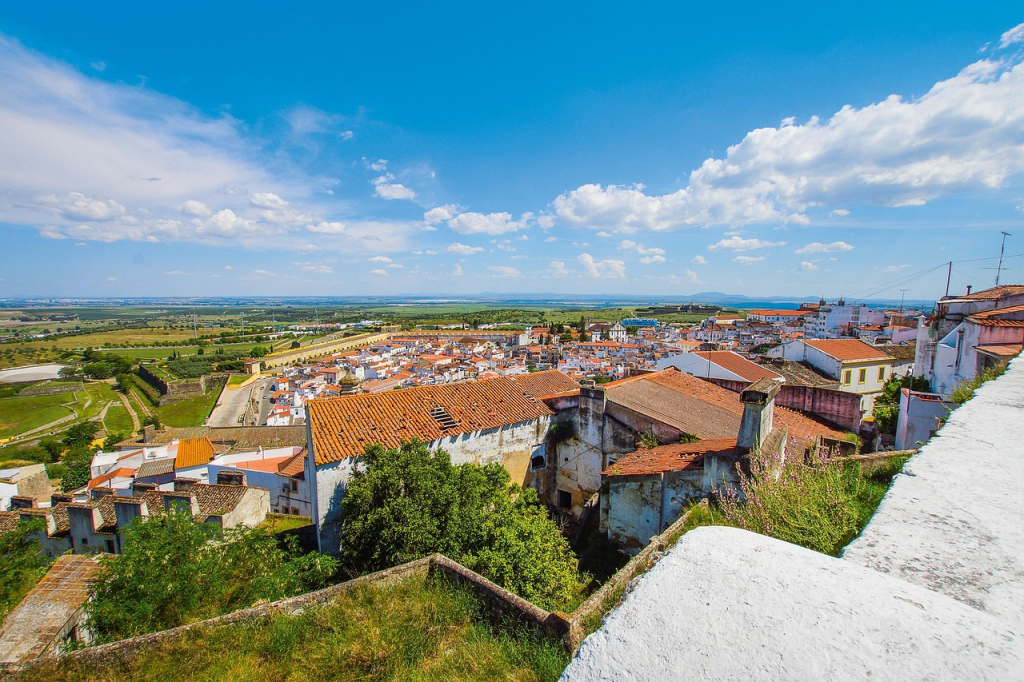
Portugal has no shortage of attention at the moment, yet Alentejo still slips past many itineraries in favour of Lisbon, Porto and the Algarve. That feels like a mistake. This is a region of cork forests, vineyard country, slow whitewashed towns and a coastline that remains gloriously undeveloped in parts.
The appeal lies in its pace. Evora has enough history to anchor a cultural break, while Comporta and the Alentejo coast bring dune-backed beaches and a polished but restrained style. It is less about ticking off sights and more about settling into a place properly.
Kyushu, Japan
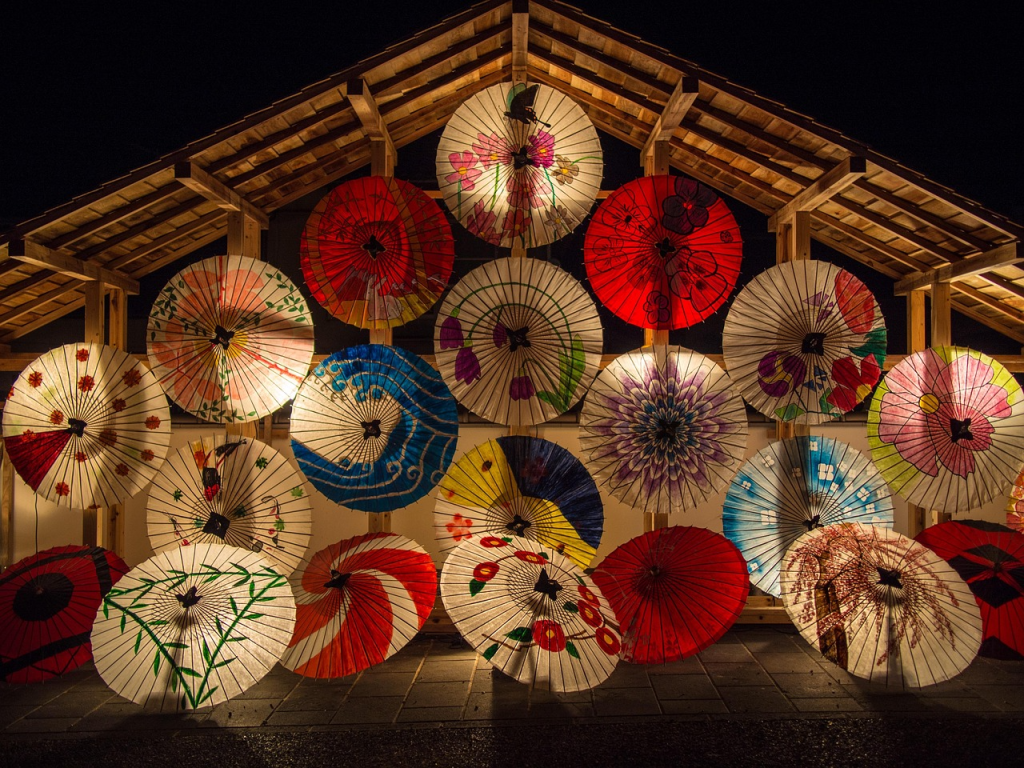
Tokyo, Kyoto and Osaka will always draw first-time visitors, but Kyushu deserves far more space in the conversation. Japan’s south-western main island has active volcanoes, onsen towns, excellent food and a slightly looser feel than the classic golden route. Fukuoka is easy to like, Kagoshima faces the smoking bulk of Sakurajima, and Beppu turns geothermal activity into part of everyday life.
Kyushu rewards travellers who already know they enjoy Japan and want to go one layer deeper. Rail travel works well, though distances are longer than many assume. If you want the country at its most varied, this is a strong contender.
The Azores, Portugal
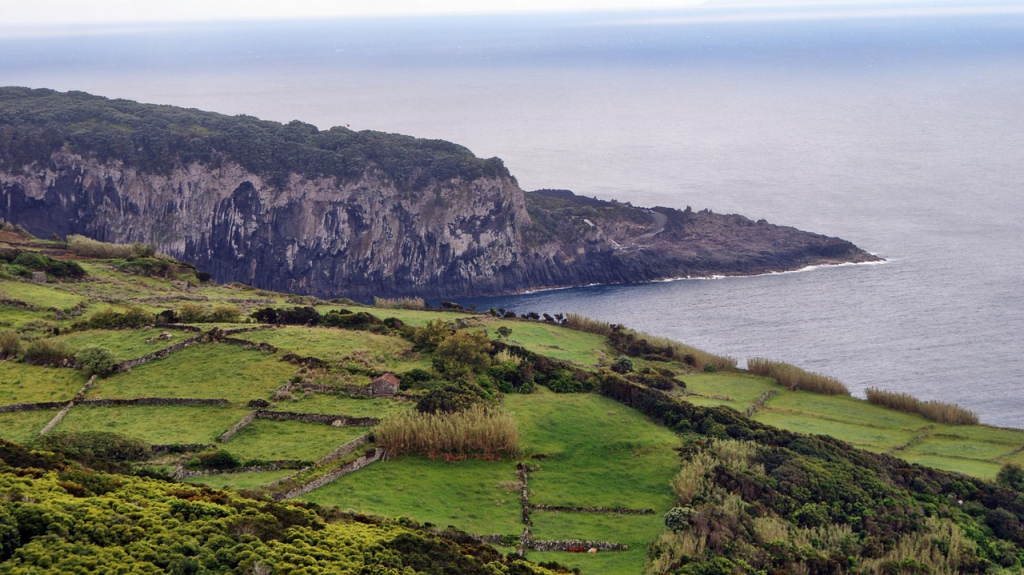
The Azores sit in that rare category of places that still feel surprising even after the photos. Volcanic lakes, crater walks, black-sand beaches, hot springs and Atlantic light give the islands a cinematic quality, but what stands out most is how grounded they remain. These are not islands built entirely around visitors.
Sao Miguel is the easiest starting point and has enough range for a week, from Furnas to Sete Cidades. The weather can turn quickly, which matters if your holiday plans depend on perfect visibility, but if you can travel with a bit of flexibility the rewards are enormous.
Lofoten’s quieter neighbours, Norway
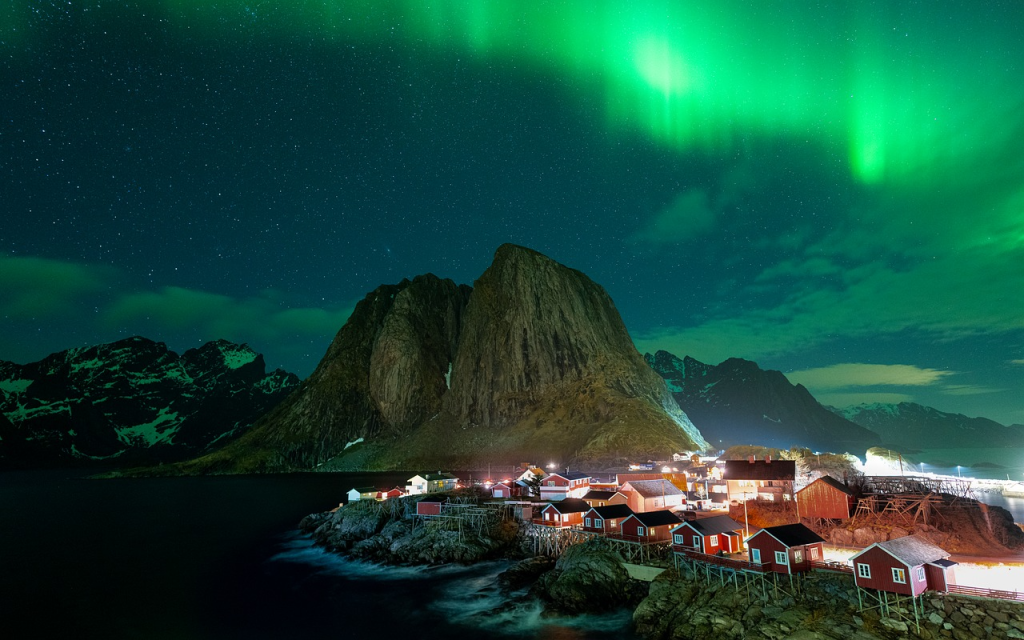
Lofoten is well known now, but nearby Vesteralen and Senja still offer much of the same northern magic with fewer people. Expect jagged peaks, fishing villages, cold clear water and roads that seem designed for scenic detours. In summer there is that long northern light; in colder months, the possibility of the aurora.
This is a destination for travellers who do not mind a bit of planning in exchange for space and atmosphere. Costs are high, as they are across Norway, so it is not a budget secret. But for dramatic scenery without a constant crowd, it is compelling.
North Macedonia
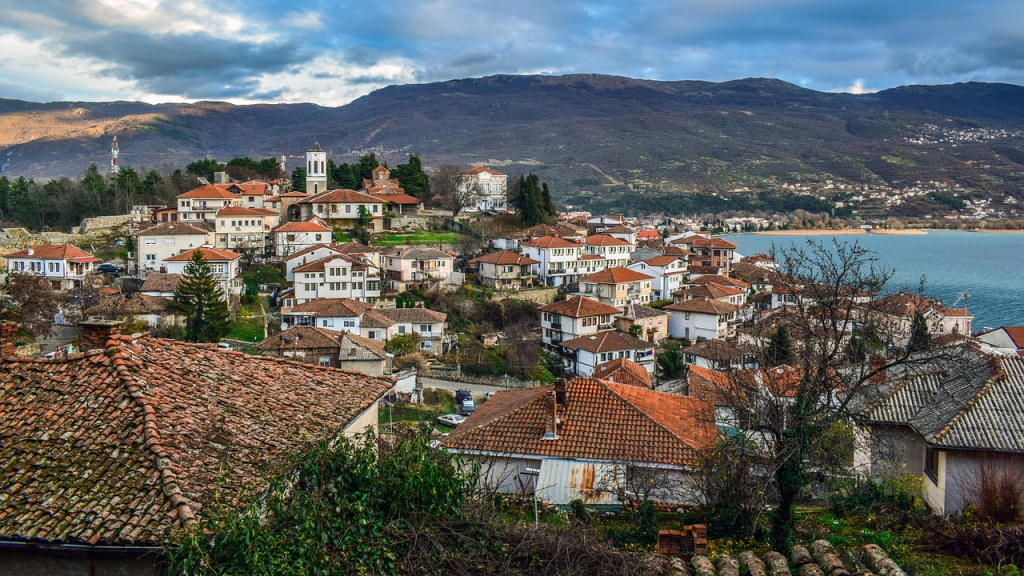
For a European break with history, lakeside scenery and a strong sense of local identity, North Macedonia deserves more attention. Ohrid is the obvious headline – and rightly so – with its church-dotted slopes, old town and clear water. But Skopje, with all its contradictions, and the country’s mountain landscapes add further layers.
It works well for travellers who like destinations that still feel slightly unfiltered. Tourism infrastructure is improving, but this is not a polished, over-curated experience. That makes it more interesting, provided you are happy with a little unpredictability.
Western Australia beyond Perth
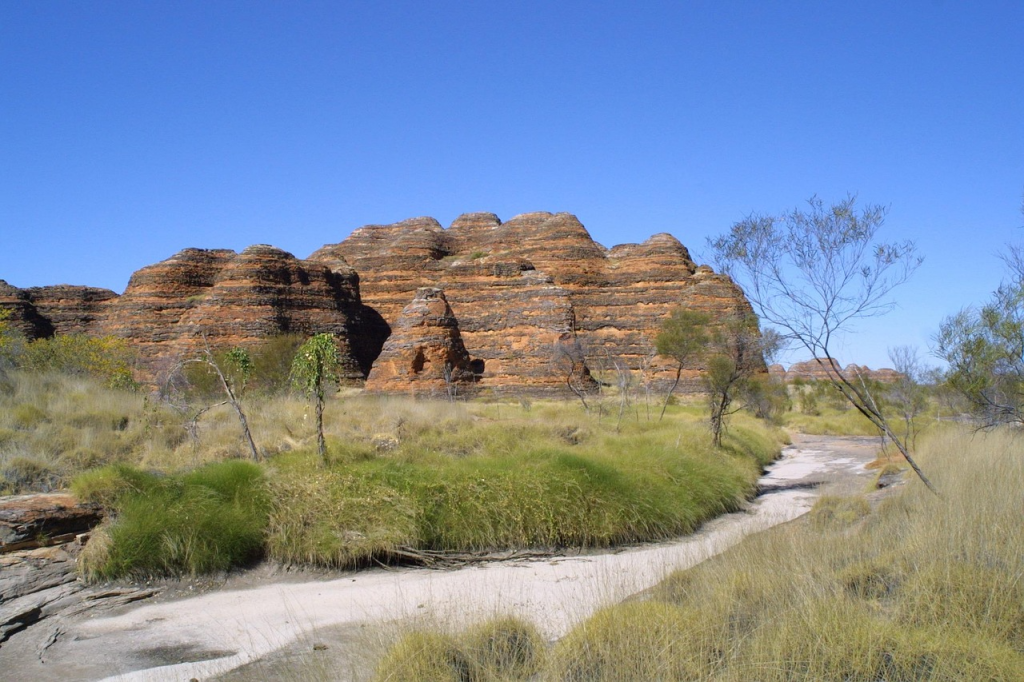
Perth often appears as a stand-alone city stop, yet the wider state is where the scale of Western Australia really takes hold. Margaret River combines wine, surf and forest in a way that feels genuinely rounded, while the Coral Coast pushes into reef, red earth and huge distances. It is a part of Australia that gives space back to the traveller.
This is best for longer trips. Distances are serious, and trying to cram too much into one itinerary can leave you rushing through what makes the region special. Given time, though, it offers one of the strongest combinations of nature and ease anywhere in the country.
How to choose between lesser known holiday destinations
The best choice depends less on trend and more on the kind of trip you actually want. If food and town-hopping matter most, Puglia or Alentejo make sense. If you want hiking and weather as part of the experience, Asturias or the Azores may be a better fit. If your ideal holiday leans towards cultural texture with fewer obvious tourist circuits, North Macedonia or Goiás will feel more rewarding.
It is also worth asking how much friction you are happy with. Some lesser known holiday destinations are easy swaps for mainstream alternatives. Others ask for more time, more transfers or a little more tolerance for plans changing shape. That effort can sharpen the experience, but only if it suits your travel style.
For anyone who enjoys travel as a story rather than a checklist, these places tend to stay with you longer. They ask you to pay attention. And usually, they give more back when you do.
A good trip does not have to be hidden, but it should feel personal. Choose the place that makes you curious enough to look twice.

[yarpp]