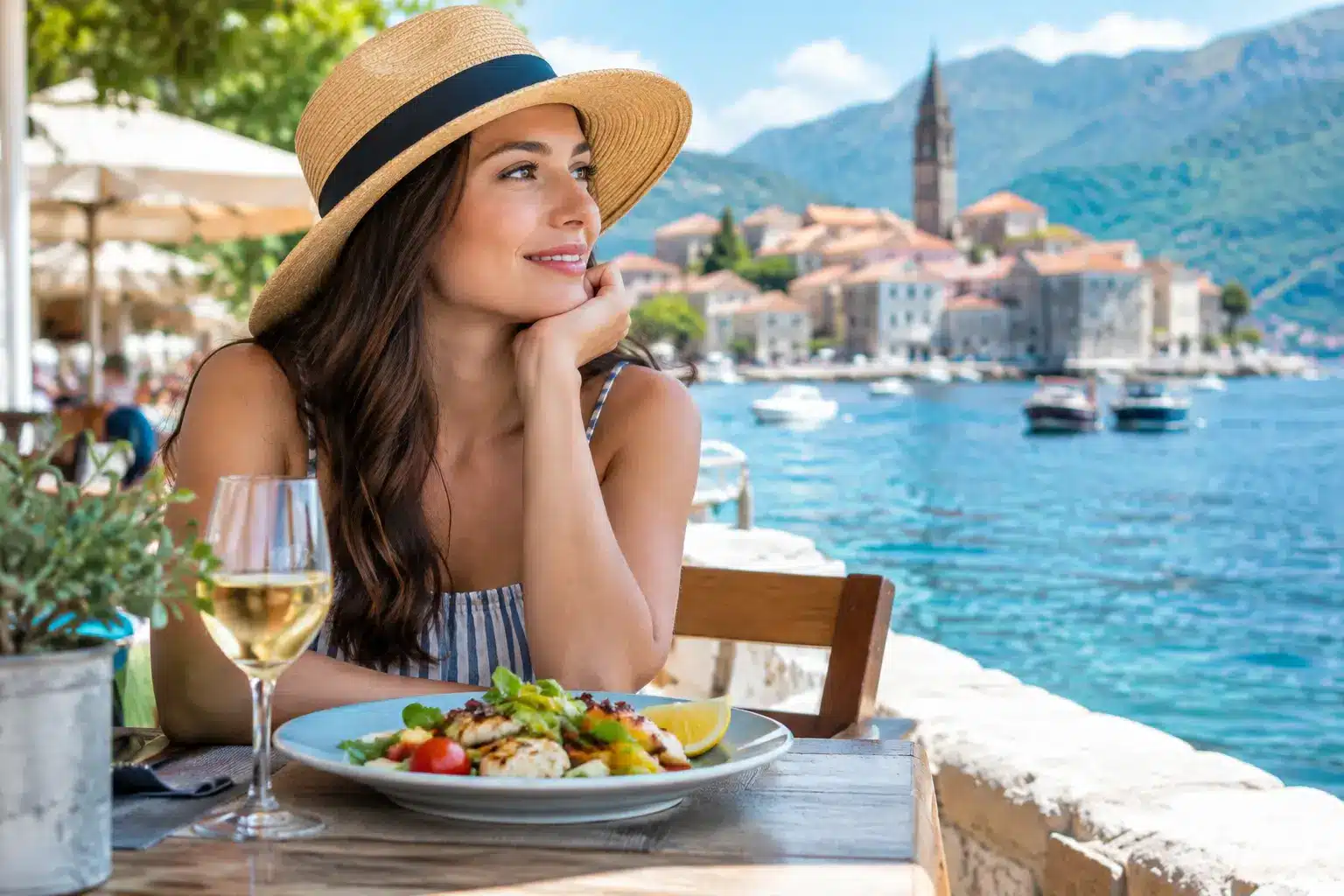
A restaurant with a laminated menu in six languages, a member of staff ushering passers-by from the pavement and photographs of every dish is making a very clear promise: convenience. Sometimes that is exactly what you need after a delayed flight or a long day of sightseeing. But if you want to avoid tourist trap restaurants, a little observation can turn dinner from an overpriced obligation into one of the most vivid parts of the trip.
The aim is not to hunt for some imaginary, untouched local secret. Popular restaurants can be excellent, and visitors have every right to eat well in a city they are helping to support. It is simply about spotting places that value quick turnover over good cooking, then knowing where to look instead.
Start with the neighbourhood, not the nearest landmark
The most reliable first move is also the least glamorous: walk ten or fifteen minutes away from the main sight. Restaurants directly beside famous squares, cruise terminals, major museums and cable-car stations pay for location, and that cost often finds its way onto the bill. Their kitchens may still be perfectly competent, but they have less reason to win repeat custom.
A better lunch is often waiting on the street behind the headline attraction, near a market, office district, residential square or transport interchange. Look for the rhythms of ordinary life: people ordering a quick midday set menu, neighbours greeting the staff, or tables filling at the locally normal eating time. In Spain that may mean eating later than your instincts suggest; in Italy, avoiding a 6pm dinner can make a marked difference. Local habits are clues, not rules, but they are useful ones.
This is also a sensible way to plan a hotel stay. Choosing accommodation in a lived-in neighbourhood rather than immediately beside the busiest landmark gives you more good options within walking distance, especially for breakfast and the first tired meal after arrival. It can be the difference between eating wherever is open and choosing somewhere you would happily return to.
How to avoid tourist trap restaurants before you sit down
Do a small amount of research before leaving the hotel, rather than conducting a panicked search when hunger has taken over. Save two or three possibilities near each area you plan to visit, then treat them as a shortlist rather than a rigid itinerary. A restaurant can be closed for a private event, fully booked, or simply not suit your mood on the day.
Recent reviews can be helpful when read with restraint. Ignore both the ecstatic one-line verdicts and the furious reviews written after an isolated mishap. Instead, scan for patterns over the last few months. Do several people mention reheated food, aggressive upselling, confusing service charges or a dramatic gap between the menu outside and the final bill? That is more useful than a star rating alone.
Photos posted by diners are similarly revealing. They show portion size, lighting and presentation without the flattering angles of promotional photography. They can also tell you whether the restaurant is cooking a focused menu well, or assembling the same generic meal found on every tourist street nearby.
If you are travelling in a group, book the restaurant you care most about. The trade-off is spontaneity, but a reservation is valuable in small, sought-after places where the kitchen only serves a handful of tables each evening. Save your flexible meals for cafés, food markets and casual neighbourhood spots.
Read the menu like a traveller, not a detective
A long menu is not automatically bad. In a large city or a family-run restaurant with regional specialities, range may be the point. But a kitchen offering dozens of unrelated dishes – burgers, sushi, pizza, curry and paella, perhaps – is usually catering for a broad, hurried crowd rather than doing any one thing particularly well.
Four signs deserve a pause:
- the menu promises every national dish at once, with no regional point of view;
- the prices or service charges are hard to understand before ordering;
- staff pressure you to come in, order extras or choose a set menu you did not ask for;
- the food photography looks dated, generic or strangely identical from venue to venue.
More encouraging signs are a short seasonal menu, dishes that reflect the area, clear pricing and staff who answer simple questions without performing a sales routine. A translated menu is not a warning in itself. Good restaurants want guests to understand what they are ordering. The question is whether the translation accompanies genuine cooking or replaces it.
Ask better questions
Hotel staff, guides, shop owners and taxi drivers can all offer useful recommendations, though it helps to frame the question carefully. Rather than asking, “Where do locals eat?”, which can produce an unhelpfully broad answer, ask where they would take a friend for a relaxed dinner near a particular neighbourhood, or where to try one local dish at a sensible price.
Be mindful that some recommendations may come with a commercial arrangement. That does not automatically make them poor, but it is a reason to compare the suggestion with a second opinion and inspect the menu yourself. The best recommendation is usually specific: a place, a dish, a time to go and perhaps a warning to book ahead.
Food tours can be a worthwhile first-day activity when chosen for their local knowledge rather than their promise of unlimited samples. A thoughtful guide gives you more than lunch: you learn the names of regional dishes, market etiquette, useful streets and the difference between a classic recipe and its tourist-friendly imitation. That knowledge pays off for the rest of the holiday.
Use lunch to take a calculated risk
Lunch is the ideal moment to test a place you have noticed. Daytime menus are often better value, service is less formal, and a disappointing meal does not consume the evening. In many European cities, the menu del día, plat du jour or business lunch reveals how a restaurant cooks when it is feeding regulars.
Markets work well too, provided you do not confuse a queue with quality. A queue of residents buying a familiar item is encouraging; a queue of visitors waiting for a photogenic snack may be enjoyable but tells you little about the wider food scene. Walk one full circuit before buying. Notice who is ordering, what sells quickly and whether the stall has a clear speciality.
For dinner, leave room for the places that require a little intention. An independent wine bar with a concise food list may offer a more memorable evening than the most obvious restaurant in the historic centre. Equally, a simple family trattoria, pub or bistro can be the right choice if it is honest about what it does. Good travel is not an audition for culinary bravery.
Know when convenience is worth paying for
There is no prize for refusing every restaurant near a major sight. If you have children who are hungry, limited mobility, a theatre booking, heavy rain or only one evening in port, proximity has genuine value. The goal is to make that choice knowingly, not to feel funnelled into it.
In these moments, choose the most transparent option: a clear menu, prices shown in advance, a focused offering and staff who give you space to decide. Ordering the house speciality or a simple dish the kitchen is clearly set up to produce is often safer than chasing the most elaborate plate on the menu.
For destination-specific advice before you travel, the Destination Unlocked podcast is as useful as a guidebook and as personal as a chat with your most well-travelled friend. Each 40-minute episode brings together the sort of local context that helps you choose the right neighbourhood, time your meals well and arrive with better questions.
The best restaurant on a trip is rarely the one someone declares to be “authentic”. It is the place that suits the moment: a busy counter after a museum, a long supper in a neighbourhood you nearly missed, or a warm bowl of something local on a wet evening. Give yourself enough time to wander one street further, and let curiosity do the rest.