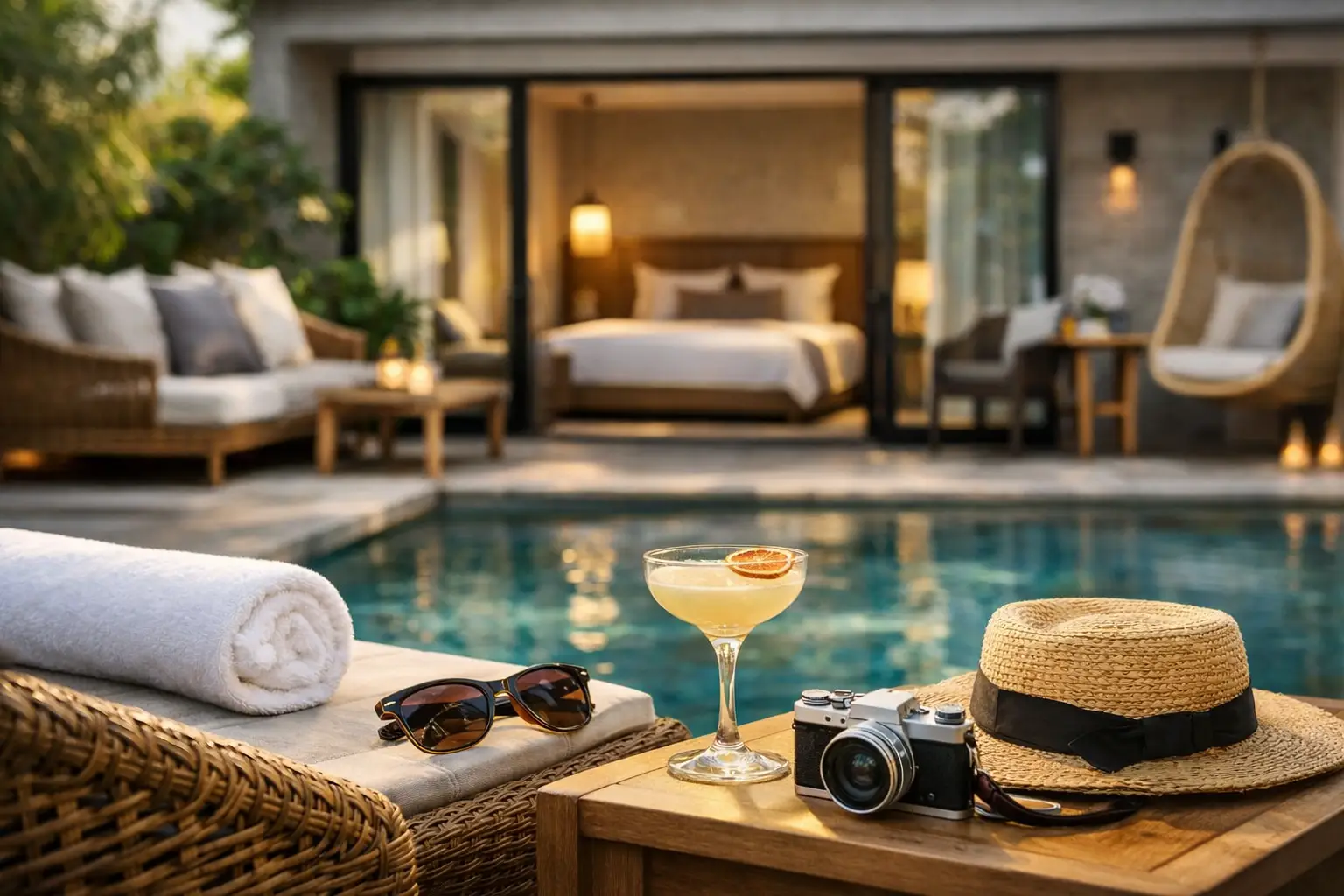
A boutique hotel can be the detail that turns a good city break into a story you still tell at dinner. It might be a former townhouse with only 12 rooms, a converted warehouse where the bar is better than the one across the road, or a seaside stay whose owner knows precisely where to get breakfast before the crowds arrive. This boutique hotels review is for travellers who want that character, but would rather not pay a premium merely for patterned wallpaper and a clever name.
The best boutique hotels offer a strong sense of place without making you work too hard for it. They are often the more memorable option for a long weekend, a special occasion or a first visit to a city where location matters as much as the room itself. But the label is loose. One traveller’s intimate independent hotel is another’s small, expensive room with nowhere to put a suitcase.
What a boutique hotels review should really tell you
There is no official rule governing the word “boutique”. In practice, it usually describes a small-to-medium-sized hotel with an individual design, a distinct personality and service that feels less standardised than a large international chain. Many have fewer than 100 rooms, though the number alone says little. A 20-room hotel can feel anonymous; a 90-room property can feel wonderfully personal.
What matters is whether the hotel has made choices that improve a stay. That could mean a location in a lived-in neighbourhood, locally sourced breakfast, staff who can recommend a brilliant wine bar without consulting a screen, or rooms that reflect the building rather than fight it. A good review looks beyond photogenic interiors and asks whether those choices are useful at seven in the morning, after a delayed flight, or when you need a taxi booked for dinner.
For high-intent bookers, the most valuable reviews are specific. Look for comments on soundproofing, air conditioning, water pressure, lift access, storage and breakfast timing. These are not glamorous details, but they determine whether a stylish weekend feels effortless or faintly irritating.
Why boutique hotels can be worth the higher rate
A boutique hotel rarely wins on scale. It wins on atmosphere, address and attention. In a large hotel, you may have a bigger gym, a larger breakfast buffet and a dependable business-lounge formula. In a well-run independent stay, you are more likely to get a room with a view of a quiet square, a receptionist who knows the local rhythm and a common area you actually want to spend time in.
That is particularly valuable in destinations where staying in the right district changes the trip. Choosing a characterful hotel near galleries, markets, independent restaurants and public transport can save both time and taxi fares, while making those unscripted hours between plans far more enjoyable.
There is also a practical case for booking boutique on shorter breaks. If you only have two nights, it is worth paying for a hotel that adds something to the experience rather than simply providing a bed. A terrace for an early drink, a handsome breakfast room or a compact spa can make a wet afternoon feel like part of the holiday rather than a logistical problem.
Still, higher rates need scrutiny. Boutique hotels sometimes charge for charm while offering less space, fewer facilities and more variable service than a dependable four-star chain. If you are travelling with children, carrying substantial luggage, arriving late or planning to spend most days by a pool, a larger resort-style hotel may be the better fit. Character is wonderful; a family room that actually accommodates a family is more useful.
How to read boutique hotel reviews before booking
Start with the newest reviews, not the overall score. A hotel can retain an excellent average long after a change of management, a nearby building project or a dip in housekeeping. Read a handful of recent comments across different traveller types, then look for patterns rather than isolated complaints.
Noise is the most revealing example. One guest may object to any street sound, while another delights in being above a lively neighbourhood bar. Four separate mentions of thin walls, however, are a clear signal. Likewise, repeated praise for staff is encouraging, but vague comments such as “lovely hotel” should not carry as much weight as detail about how a problem was handled.
Check the room category, not just the hotel
Boutique properties are often in older buildings, and rooms can vary dramatically. The smallest category may be beautifully designed but genuinely compact, while a higher category may provide the space, light and proper seating that make a three-night stay comfortable. Look at the stated square metres, bed configuration and bathroom arrangement before deciding that the cheapest rate is a bargain.
Also check whether particular rooms face an internal courtyard, a busy road or the sea. If the hotel has no lift, confirm which floor your room is on. A fourth-floor walk-up can be a charming historical detail until you arrive with a case after an early flight.
Read the fine print around breakfast and extras
A breakfast-inclusive rate can represent good value, especially in expensive city centres, but only if it suits your plans. If you want to be out at a bakery by 8am or have found a neighbourhood café you are keen to try, paying separately may make more sense. The same applies to parking, resort fees, spa access and late checkout.
Boutique hotels can be generous with thoughtful touches, but they may also have fewer operational hours than a larger property. Check reception times, luggage storage arrangements and whether there is a night contact. These small details matter when a flight is delayed or a train arrives after midnight.
The location question: central, local or secluded?
The most persuasive hotel photography cannot answer the question that matters most: where will you be when you step outside? For a first-time city break, a central boutique hotel can make sightseeing and evening plans much easier. For a return visit, staying in a residential district with good cafés and a quick tram or Tube connection may offer a richer sense of the place.
Use a map with intention. Consider walking time to the sights you genuinely plan to visit, not every landmark in the guidebook. Check the nearest station, the late-night route back from restaurants and what is on the surrounding streets. A “quiet location” can mean blissful sleep, or it can mean a 25-minute walk to dinner. It depends on the holiday you want.
For coastal and countryside stays, seclusion carries a similar trade-off. A remote boutique retreat may be ideal for switching off, but it can limit restaurant choices and make a car essential. If the hotel restaurant is central to the appeal, read recent comments about the menu and service rather than assuming the kitchen matches the interiors.
When to choose a boutique hotel over a chain
Boutique hotels are particularly compelling for couples’ breaks, solo city escapes, food-focused weekends and trips built around a neighbourhood rather than a checklist. They tend to suit travellers who enjoy returning to a hotel with a point of view – somewhere that feels connected to the destination rather than interchangeable with any other city.
A chain may be the wiser choice when predictability is the priority: an overnight near an airport, a work-heavy itinerary, a large family group or a holiday where children’s facilities, extensive pools and multiple dining options matter. There is no virtue in choosing independent for its own sake. The right hotel should support the trip you have planned.
Before committing, ask one simple question: if this hotel were moved to another city, would it still make sense? If the answer is yes because it offers excellent sleep, thoughtful service and the right facilities, that is a good sign. If the answer is no because its whole appeal is tied to an exceptional address, design or local connection, that can be equally compelling – provided you are paying for the experience knowingly.
For destination ideas that go beyond the booking-page description, the Destination Unlocked podcast is as useful as a guidebook and as personal as a chat with your most well-travelled friend. Each 40-minute episode brings together the local perspective and practical insight needed to shape a great trip.
Book the boutique hotel that makes the first and last hour of each day feel considered. The museums, meals and views may bring you to a destination, but the right address gives the whole holiday its rhythm.