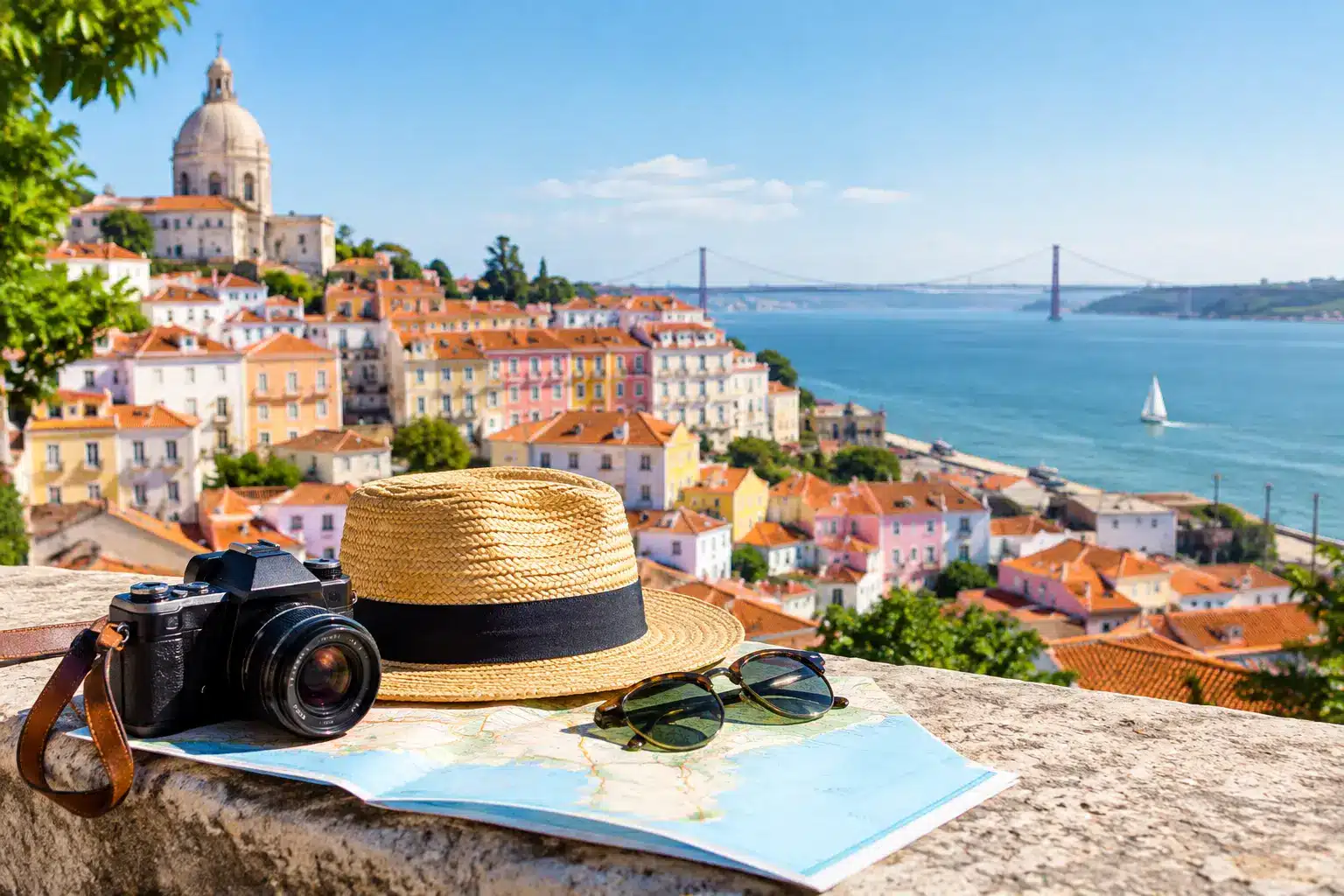
Portugal looks compact on a map, which is precisely why so many first visits become overstuffed. To build Portugal itinerary days that feel like a holiday rather than a relay race, treat the country as a collection of distinct regions: tiled, hilly Lisbon; stately Porto; the vineyard folds of the Douro; and the Atlantic-facing Algarve. You can see a great deal in a week, but you will enjoy far more if you resist trying to see all of it.
The most satisfying route depends on how you like to travel. City lovers can make Lisbon and Porto the backbone, adding a day trip or two. Food and wine travellers should give the Douro proper time. Sun-seekers will want to pair a city with the Algarve, while cruise guests arriving in Lisbon or Porto may be best served by a concentrated, walkable version of the same plan.
Start with the right Portugal itinerary shape
For a first trip, the simplest decision is whether to travel north to south or choose two bases. Lisbon and Porto are well connected by train, and both have international airports, so an open-jaw flight can save you a return journey. If fares or flight times are better into one city, travelling back to the same airport is still perfectly sensible – just avoid adding needless hotel changes.
Portugal rewards staying put. Lisbon deserves at least three nights, not because its headline sights take that long, but because the pleasure lies in its tempo: a slow coffee in a neighbourhood bakery, a tram ride that is not merely transport, an unplanned stop for grilled sardines or a glass of vinho verde. Porto needs two or three nights for much the same reason, though it is more compact and easier to cover on foot.
The Algarve is less straightforward. It is not one place but a long coast with different personalities. Lagos works well for dramatic cliffs, boat trips and a sociable old town. Tavira is quieter and more traditional, with island beaches reached by boat. Carvoeiro and nearby resorts suit travellers who want easy access to coves, golf and beach time. Pick one base rather than attempting to leap between them.
A balanced seven-day route: Lisbon, Porto and the Douro
With seven nights, a Lisbon-Porto itinerary is the classic first-timer choice. Spend three nights in Lisbon, take the train north for three nights in Porto, then use one day for the Douro Valley. It is a route with genuine contrast: Lisbon feels broad, bright and theatrical; Porto is steeper, moodier and more intimate.
In Lisbon, choose accommodation according to the experience you want. Baixa and Chiado put you close to major sights, restaurants and transport, although central lanes can be lively late into the evening. Príncipe Real and Avenida offer smarter hotels and easier evenings. Alfama has atmosphere in abundance, but its cobbles and hills are worth considering if you have heavy luggage or limited mobility. For a first visit, location usually matters more than a rooftop pool.
Give one day to the historic centre, taking in Alfama, Baixa and the viewpoints above the city. On another, head west to Belém for the riverside monuments, museums and custard tarts. Your third day is where Lisbon becomes personal: browse LX Factory, ride a ferry across the Tagus for a different view, or book a food tour that moves beyond the obvious dishes. A guided walk is particularly useful here, because the city’s history is layered into streets that can look deceptively similar from a map.
Then take the train to Porto. Book ahead for popular departures, especially on Fridays and Sundays, and aim for a daytime journey if you enjoy watching the landscape change. In Porto, stay around Ribeira for river drama and very easy sightseeing, or look at Cedofeita and the area near Aliados for restaurants, galleries and a slightly calmer night’s sleep. Vila Nova de Gaia, across the river, can offer handsome hotel views and easy access to port cellars, though you will cross the bridge often.
Allow a full day to wander Porto’s centre, from São Bento station to the riverfront, without treating every landmark as a tick-box exercise. Set aside another for a cellar visit in Gaia and a long lunch. Port tasting is more interesting when it is treated as a story of place, production and ageing rather than a rapid series of small glasses.
For the Douro, decide whether convenience or immersion matters more. A day trip from Porto is easy and gives you the valley’s terraced views, a winery visit and a river perspective. An overnight stay in Pinhão or at a vineyard hotel is better if wine is central to your trip. It costs more and needs earlier planning, but early morning in the valley, before day-trippers arrive, is the point.
How to build a Portugal itinerary with the Algarve
If you have eight to 10 nights, add the Algarve rather than trying to cram it into a week. A useful rhythm is four nights in Lisbon, then four or five on the coast. You can fly home from Faro or return to Lisbon, depending on fares and how much you enjoy a road trip.
A hire car makes the Algarve more flexible, particularly if you want to explore smaller beaches, inland villages or several restaurants outside your resort. It also brings the usual summer complications: parking, busy coastal roads and the need to nominate a driver after a leisurely dinner. If you prefer not to drive, choose a town with a beach within walking distance and book a boat trip, kayak excursion or guided day out for variety.
The Benagil coast is beautiful, but it is also a case study in managing expectations. Sea caves and hidden beaches are best enjoyed on an early boat tour when conditions allow; they are not guaranteed, and weather can change plans. The same applies to dolphin-spotting trips. Book operators with clear cancellation terms, and regard wildlife as a possibility rather than a promise.
Build in time for meals, hills and the weather
Portugal is easy to underestimate physically. Lisbon and Porto are both hilly, pavements can be slippery when wet, and the most picturesque streets often involve steps. Group your days by neighbourhood and use taxis or ride-hailing for the occasional uphill reset. That is not laziness. It is how you save your legs for the evening, when these cities become their most inviting.
Meal times also shape a good itinerary. Lunch can linger, dinner is commonly later than many British visitors expect, and the best small restaurants may have limited tables. Book one or two special dinners in advance, particularly at weekends or during summer, but leave space for spontaneity. A local wine bar found after a sunset viewpoint may become the evening you remember most.
Spring and autumn are often the sweet spots for this route, with comfortable city temperatures and fewer crowds. Summer is excellent for the coast but hot in Lisbon and the Douro. Winter suits city breaks, museum visits and long lunches, though you should not plan a beach holiday around guaranteed sunshine. The Algarve remains milder than much of Europe, but sea swimming is another matter.
A 10-day Portugal itinerary for more depth
Ten nights allow you to stop treating travel days as empty space. Start with three nights in Porto, add two in the Douro Valley, take the train or drive south for three nights in Lisbon, then finish with two nights in the Algarve. It works best for travellers happy with a little movement and keen to combine culture, wine and coast.
There is a trade-off. The Douro and Algarve are not next-door neighbours, so this version involves a long transfer or an internal flight. If that sounds like admin rather than adventure, omit one. Portugal is better experienced in chapters than skimmed as a checklist.
For a more relaxed 10-day stay, base yourself in Lisbon for four nights, take a day trip to Sintra or the coast, then move to the Algarve for six. This is especially good for couples, families and anyone booking a hotel where a pool, spa or beach club is part of the holiday rather than merely a place to sleep.
Book the anchors first, then leave room to wander
Once you have chosen your route, reserve the things with limited capacity: flights, your first-choice hotels, intercity trains, a Douro winery stay and any small-group tours you genuinely want. High-season Algarve rooms and well-located Lisbon hotels can disappear quickly. If your holiday falls around Easter, summer school holidays or New Year, earlier is wiser.
Do not pre-book every hour. Portugal’s best moments are often found in the gaps between plans: the sound of fado filtering from a doorway, a cool church after a hot climb, an extra glass of something local because the table beside you has started a conversation.
For a more personal sense of where to stay, eat and linger, the Destination Unlocked podcast is as useful as a guidebook and as personal as a chat with your most well-travelled friend. Each 40-minute episode brings together the practical details and local perspective that turn a good trip into one with a sense of place.
Leave your final morning deliberately light. Whether you are catching a flight from Lisbon, Porto or Faro, Portugal is the sort of country that rewards one last coffee, one last pastel de nata and one last look at the water before you go.