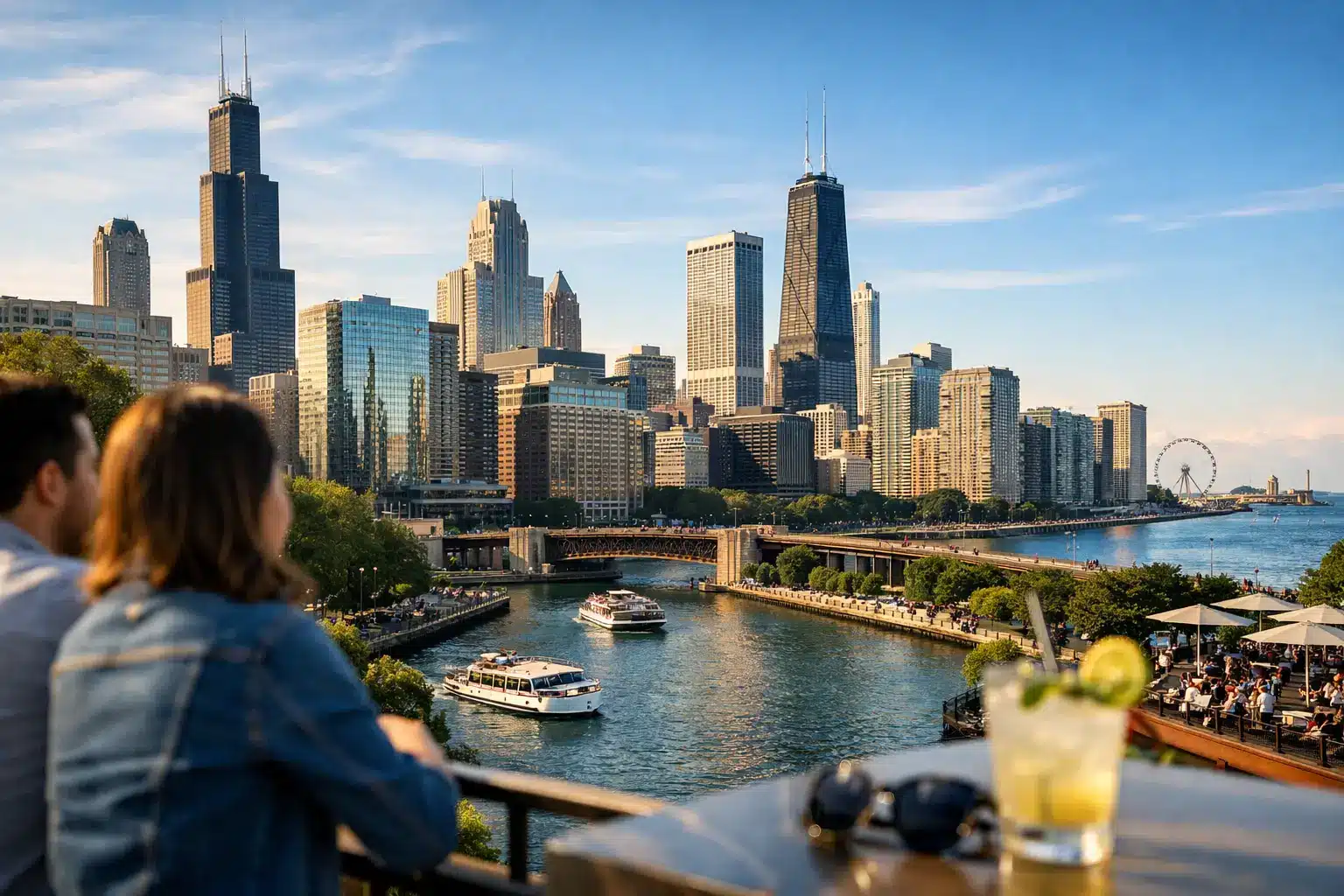
Chicago rewards decisiveness. This is a city where a pre-booked architecture cruise can turn an ordinary Friday afternoon into the highlight of the trip, while an ill-chosen hotel can leave you spending too much of a short stay in taxis. This Chicago weekend break review looks at whether three nights is enough, where to base yourself and which experiences deserve space in a tightly planned city escape.
For British travellers, Chicago has a particularly appealing mix: serious museums, outstanding food, muscular skyscraper views and neighbourhoods with enough personality to make you want to return. It is not a cheap weekend away in the European sense, and the flight means it works best as a long weekend or a stop on a wider US itinerary. But with the right pace, it feels remarkably manageable.
Is Chicago worth a weekend break?
Yes, provided you accept that you are sampling Chicago rather than completing it. Three nights gives you time for the Loop and riverfront, one major museum or cultural afternoon, a neighbourhood evening and at least one proper meal. Four nights is more comfortable, particularly if you want to add Hyde Park, a baseball game or a day by Lake Michigan in warmer months.
Chicago is compact where visitors most need it to be. The Loop, River North, Streeterville and West Loop sit within a useful central orbit, and the elevated railway makes many journeys straightforward. The city’s scale can look intimidating on a map, but its headline sights are concentrated enough for a first visit.
The main trade-off is season. Summer brings lake breezes, terraces, festivals and long, sociable evenings, though hotel prices climb sharply. Spring and autumn can be excellent value, with crisp weather and fewer crowds, but a windy day is never merely theoretical here. Winter offers cheaper rooms, festive atmosphere and excellent indoor culture, but plan around the cold rather than trying to out-stubborn it.
Where to stay for a Chicago weekend break
For a first three-night visit, River North is the easiest answer. It is walkable to the Magnificent Mile, the river and central attractions, and has a deep bench of restaurants, cocktail bars and hotels. It can feel polished rather than intimate, but that convenience matters when time is short.
The Loop is a strong choice for travellers who want to be near Millennium Park, the Art Institute of Chicago and the architecture cruise departure points. It is quieter after office hours, which some will find restful and others slightly lacking in atmosphere. Staying here makes most sense if culture and sightseeing are the priority.
West Loop is the best fit for a food-led break. Once industrial, it now has some of Chicago’s most sought-after restaurants, stylish hotels and a buzzy evening scene around Randolph Street and Fulton Market. It is less central for the classic lakefront sights, although a short taxi ride solves that. Book early if you are travelling at a busy time or have a particular restaurant in mind.
Lincoln Park and Wicker Park offer more of a neighbourhood feel, with independent shops, attractive streets and local bars. They suit repeat visitors or travellers content to trade a little convenience for character. For only two full days, however, the centre usually wins.
When comparing hotels, check the final price rather than the tempting headline rate. Resort or destination fees, parking charges and tax can make a noticeable difference. A hotel near an L station is useful, but being within walking distance of the river and Millennium Park can be worth paying for on a very short break.
The experiences that justify booking ahead
Chicago has plenty to see for free, but the paid experiences are often the ones that give a weekend shape. The best approach is to reserve one anchor activity per day, then leave room for a long lunch, a change in weather or the discovery of a good bar.
Take an architecture cruise early
If there is one booking to make before flying, make it an architecture cruise on the Chicago River. The city’s buildings are not simply a skyline backdrop. They tell the story of Chicago’s recovery after the Great Fire, its commercial confidence and the architects who made height look elegant. From the water, even travellers with only a passing interest in design tend to become absorbed.
Choose a daytime sailing for clear photographs, or an early evening trip if you prefer the buildings lit by the lower sun. Tours vary in length and commentary, so the better choice depends on attention span as much as price. A comprehensive narration is worthwhile for first-timers; a shorter cruise may suit anyone fitting it around museums and dinner.
Choose one major viewpoint
The city’s two famous high-level perspectives, Skydeck Chicago at Willis Tower and 360 CHICAGO at the former John Hancock Center, offer different moods. Skydeck has the more dramatic glass ledge and an enormous sense of height. 360 CHICAGO tends to feel more relaxed and gives compelling views over Lake Michigan and north along the shoreline.
You do not need to do both. Pick one for a late-afternoon time slot, when daylight, sunset and the early city lights can all be part of the visit. Booked entry is especially sensible at weekends and in summer.
Let a museum set the pace
The Art Institute of Chicago is the best choice for many first visits. Its collection is broad, recognisable and rewarding even if you have only two or three hours. The nearby Millennium Park makes the pairing effortless: see Cloud Gate, known locally and affectionately as the Bean, then cross into the galleries before the crowds thicken.
The Field Museum, Museum of Science and Industry, and Shedd Aquarium each merit significant time, so they are better treated as a deliberate half-day or full-day commitment. Families may reasonably choose one of these over art. Adults travelling without children should resist turning the weekend into a museum endurance test. Chicago is at its best when grand institutions are balanced with time on the street.
Food: go beyond deep-dish, but do try it
A Chicago weekend without pizza would be a slightly odd act of restraint. Deep-dish is rich, filling and more divisive than its reputation suggests. Order it for lunch or share one at dinner, allowing enough time for it to be made. It is not the meal to squeeze in before a theatre performance.
The more revealing culinary story is Chicago’s range. There are excellent Mexican restaurants, historic Italian-American spots, inventive tasting menus, bakeries, steakhouses and neighbourhood diners. West Loop is the obvious dinner district for ambitious bookings, while Pilsen and Logan Square reward travellers willing to venture beyond the central grid.
For a classic local snack, try a Chicago-style hot dog with its distinctive toppings, but do not make the mistake of treating it as the city’s whole food identity. Book one special dinner, then use the rest of the weekend for spontaneity. A counter seat, a neighbourhood brunch and a late-night slice often reveal more than another difficult reservation.
A realistic three-night Chicago itinerary
Arrive on Friday and keep ambitions modest. Check in, walk the riverwalk if the weather permits, and have dinner close to your hotel. River North works particularly well for this first evening because there is little logistical effort required.
On Saturday, start with Millennium Park and the Art Institute, then take an architecture cruise in the afternoon. Reserve your chosen skyline viewpoint for sunset and plan dinner afterwards in West Loop or River North. It is a full day, but not a frantic one.
Sunday is for choosing your own version of Chicago. Culture-minded travellers might visit the Field Museum or explore the Museum Campus. Food-focused visitors could head to Pilsen for murals and Mexican cooking, then return via the lakefront. In baseball season, a Cubs game at Wrigley Field adds a wonderfully local rhythm to the day, even for those who do not know the rules.
Use Monday morning for a final coffee, a walk through the Loop or a quick look at the Chicago Cultural Centre before leaving for the airport. O’Hare is well connected but not close, so build in more time than you think you need. Midway can be more convenient for some domestic routes, but most UK travellers will use O’Hare.
The verdict on a Chicago city break
This Chicago weekend break review comes down firmly in favour of going, especially for travellers who like a city with intellectual weight but no shortage of fun. Chicago feels more grounded than New York, more architecturally dramatic than many American rivals and easier to enjoy without a minute-by-minute plan.
It does demand a realistic budget. Flights, central hotels, restaurant reservations and attraction tickets can add up quickly, while the weather can dictate the rhythm of a day. Yet that is precisely why a considered itinerary pays off: spend on a well-located room, one memorable meal and an architecture cruise, then let the city do the rest.
Before you book, the Destination Unlocked podcast is as useful as a guidebook and as personal as a chat with your most well-travelled friend. Each 40-minute episode brings together the kind of local detail that helps a promising city break become a genuinely memorable one.
Leave one evening unplanned. Chicago is a city that often makes its strongest case after dark, when the river catches the lights of the towers and a neighbourhood bar offers a better story than the next item on an itinerary.