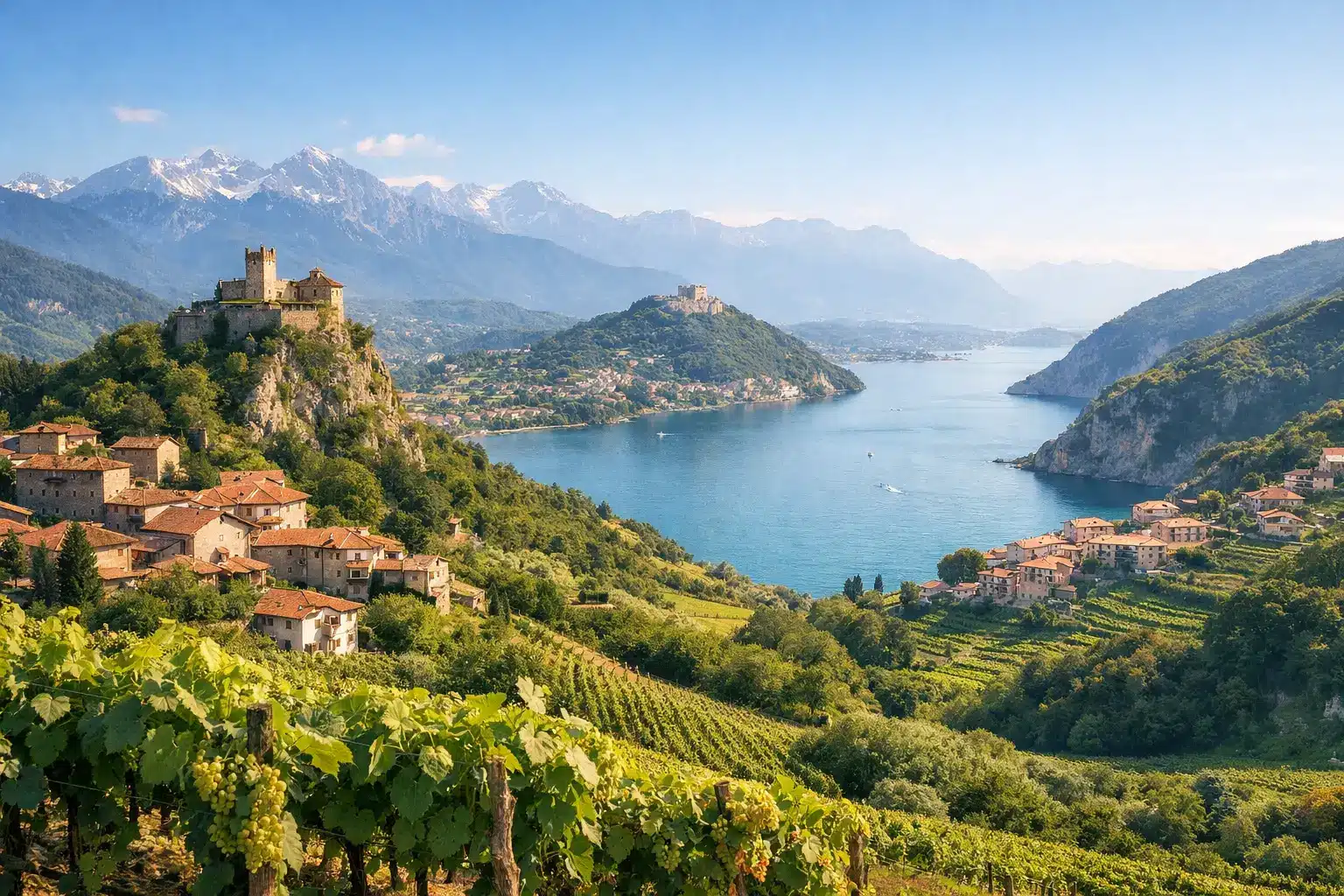
There is a particular pleasure in arriving somewhere that has not been reduced to a queue, a viral viewpoint and a race for dinner at 6pm. This guide to underrated European regions is for travellers who want beautiful landscapes, serious food and a strong sense of place, but are ready to look beyond the cities and coastlines that dominate every short break search.
The appeal is not simply that these places are quieter. Each offers a more rewarding rhythm for a holiday: villages where lunch has its own timetable, regional wines that rarely make it beyond the border, and hotels that make a convincing case for staying an extra night. They do require a little more planning, though. A hire car is often useful, public transport can be infrequent, and English may be less widely spoken outside the main towns. That is part of the exchange.
How to choose an underrated European region
The best choice depends on the holiday you actually want. For a warm-weather escape with slow mornings and vineyard lunches, look towards Portugal’s Alentejo. If food is the deciding factor, north-east Italy and southern Austria make a fine pairing. If you want mountain walking, clear water and archaeological sites in one trip, northern Greece has an excellent answer.
Before booking, be realistic about season. A region can be delightfully uncrowded in May or October, yet sleepy enough in winter that many rural restaurants and small hotels close. August brings heat to inland Iberia and Italy, while coastal corners can still be busy with domestic holidaymakers. Shoulder season is often the sweet spot: better room availability, more manageable prices and a place that is properly open for business.
For trips beyond a long weekend, book one or two bases rather than changing hotel every night. Underrated regions tend to reveal themselves on the road between towns, at a family-run restaurant in an unplanned stop, or in the conversation that follows a local wine tasting.
Alentejo, Portugal: whitewashed towns and wide horizons
East of Lisbon and north of the Algarve, Alentejo is Portugal at its most spacious. Cork oak woodland, olive groves and vineyards roll towards fortified towns such as Évora, Monsaraz and Marvão. It is a region for travellers who like the idea of a long lunch followed by very little on the itinerary except a swim and a sunset.
Évora makes the strongest first base, especially for a three- or four-night break. Its historic centre is compact enough to explore on foot, with Roman remains, handsome squares and restaurants that handle the region’s pork, black pork in particular, with due respect. Stay inside the old walls for atmosphere, or choose a countryside estate if a pool, quiet and easy parking matter more.
From there, drive to Monsaraz for its hilltop views over Alqueva Lake, where kayaking and boat trips add a welcome alternative to winery visits. Further north, Marvão sits dramatically on a ridge near the Spanish border. Alentejo’s scale is its charm, but it also means driving times can surprise you. Build in time for them rather than trying to tick off every famous town.
Friuli-Venezia Giulia, Italy: the food-first Italian escape
Italy is not short of celebrated regions, which is precisely why Friuli-Venezia Giulia feels like a clever booking. Tucked into the north-east, between the Adriatic, Slovenia and Austria, it has a distinctly borderland character: Venetian elegance in Trieste, Alpine villages in the north, and a culinary vocabulary shaped by several neighbouring cultures.
Trieste is an excellent city break base for travellers who prefer grand cafés and sea air to the usual Italian city circuits. Its historic coffee houses are an institution, and the waterfront is made for an unhurried evening stroll. Book a central hotel if you want to walk to restaurants and museums, or stay outside the city if you are planning to explore the Karst plateau and the wine country around Collio.
The food gives the region a real advantage. Expect prosciutto from San Daniele, mountain cheeses, excellent white wines and dishes with Central European echoes, including goulash and strudel. A guided tasting or a day with a local food guide can make the difference here, as the best producers are often in small villages rather than on a predictable tourist route.
It is also easy to combine with Slovenia, though that can turn a restorative regional break into a brisk multi-country itinerary. Choose one side of the border if you have only a few days. You will eat better for lingering.
Epirus, Greece: mountains, stone villages and the Ionian edge
For Greece without the island-hopping timetable, consider Epirus. This north-western region has the drama many visitors expect from the Greek mainland, but with far fewer package crowds: the Vikos Gorge, the Pindus mountains, Ottoman-era towns and an Ionian coast that remains relatively low-key outside high summer.
Ioannina, on Lake Pamvotida, is the natural place to start. It has a lively café culture, a handsome old quarter and a castle district where Ottoman and Greek histories sit close together. A central stay works well for a night or two, after which a smaller hotel or guesthouse in the Zagori villages will put walking routes and river valleys at your door.
The Zagorochoria – a collection of stone-built villages linked by old bridges and mountain roads – reward travellers who enjoy a scenic drive with regular stops. Papigo is especially well placed for walks, while the Vikos Gorge is the headline excursion for confident hikers. Conditions can be demanding in heat or rain, so select a route that matches your experience and arrange transport if you do not want to retrace your steps.
For a second act, head south-west to Parga or Sivota for beaches and boat trips around the Ionian coast. The contrast is one of Epirus’s great strengths: a morning in the mountains can be followed by seafood beside turquoise water. July and August are busiest on the coast, so book beach hotels well ahead or visit in June and September.
Asturias, Spain: a greener way to do Spain
Asturias is the answer for travellers who love Spain’s food and sociability but would rather swap scorching afternoons for green hills, cider houses and Atlantic beaches. On the northern coast, it feels closer to a Celtic landscape in places than the sun-baked Spain of holiday brochures.
Oviedo is a polished base for a city-and-country break, with an appealing old town and excellent restaurants serving regional specialities such as fabada, the rich bean stew that is far better suited to a cool evening than a beach lunch. Gijón offers a livelier seaside alternative, while smaller fishing towns along the coast make rewarding overnight stops.
The Picos de Europa bring serious mountain scenery within reach of the region. A guided hike is worthwhile if you want to understand the terrain without spending your holiday negotiating narrow roads and changeable weather. The coast deserves equal attention: beaches near Llanes and Ribadesella have dramatic limestone backdrops, and many are large enough to feel uncrowded outside the Spanish school holidays.
Asturias is a particularly good option for a fly-drive holiday, but check your arrival airport before committing to a route. Direct flights from the UK can be more limited than for Barcelona or Málaga, and a connection may be a worthwhile trade-off for a destination that feels markedly less familiar.
South Moravia, Czechia: wine country beyond Prague
Prague earns its popularity, but South Moravia offers a compelling reason not to make it your entire Czech holiday. Around Brno, Mikulov and Znojmo, rolling vineyards, ornate chateaux and cellar-door tastings create an easy-going regional break that is refreshingly different from Europe’s more obvious wine routes.
Mikulov is a fine choice for a romantic long weekend. Its hilltop castle, handsome square and proximity to vineyards mean you can leave the car behind for part of the trip. Brno, meanwhile, suits those who want a larger choice of hotels, bars and restaurants, along with easy rail connections. It is an understated city with a youthful, design-conscious energy.
Wine is central, naturally, but do not approach South Moravia as a cheap substitute for Burgundy or Tuscany. Its appeal lies in small producers, local grape varieties and a convivial cellar culture. Booking a guided tasting lets everyone enjoy it properly, particularly if you are staying in rural areas where taxis are scarce.
For travellers who like their inspiration delivered by people who genuinely know a place, the Destination Unlocked podcast is as useful as a guidebook and as personal as a chat with your most well-travelled friend. Each 40-minute episode gives you the practical detail and local perspective needed to turn a promising destination into a very good holiday.
The most memorable European trips rarely come from finding a place nobody else has heard of. They come from choosing a region with enough character to reward curiosity, then giving it the time to speak for itself.