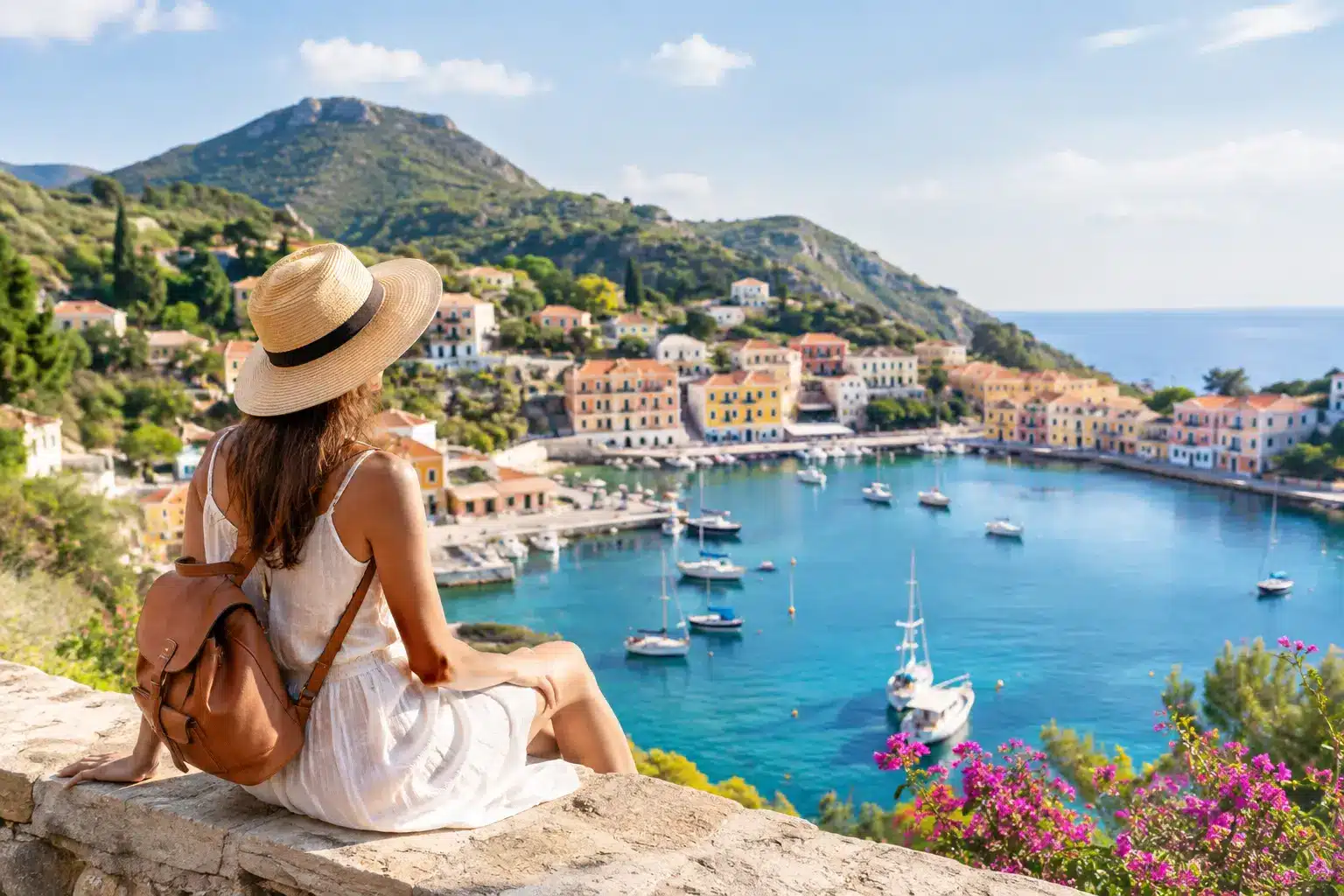
The best hidden gem weekend breaks are not necessarily places nobody has heard of. They are places that still feel like a happy discovery when you arrive: a handsome old town without a queue at every door, a hotel with genuine personality, and dinner that becomes the story you tell on Monday morning. For a two or three-night escape from the UK, that balance matters more than ticking off a landmark.
The useful question is not, “Where is undiscovered?” It is, “Where offers the most character for the time and money I have?” These ten European cities reward an early flight, a well-chosen central hotel and a little curiosity once you have put your bag down.
Hidden gem weekend breaks with real character
1. Ghent, Belgium
Bruges has the reputation, but Ghent has the lived-in confidence. Its medieval centre is threaded with canals, guildhalls and atmospheric lanes, yet it is also a university city with excellent bars, independent shops and restaurants that do not feel designed solely for visitors. The floodlit Graslei waterfront is particularly persuasive after dark.
Book a hotel within walking distance of Korenmarkt or the Patershol quarter so that you can make the most of a short stay. Spend one morning at the Castle of the Counts, then take a gentle canal cruise for a different perspective on the city. Ghent works especially well for travellers who want Belgian beer and old-world architecture, but would rather avoid a weekend that feels overly choreographed.
2. Trieste, Italy
At Italy’s north-eastern edge, Trieste looks across the Adriatic and thinks like Central Europe. The city was once the Habsburg Empire’s great port, and its grand cafés, Austro-Hungarian facades and wind-swept promenades give it a character unlike Rome, Florence or Venice.
Stay close to Piazza Unità d’Italia, where the sea feels improbably near the city centre. A coffee in one of Trieste’s historic cafés is not a hurried pit stop but part of the local ritual. For an excursion, visit Miramare Castle on the coast or venture towards the limestone landscapes of the Karst plateau. It is a fine choice for a food-focused break, though it suits travellers who enjoy atmosphere and wandering more than a packed schedule of headline sights.
3. Ljubljana, Slovenia
Ljubljana makes a persuasive case for taking the small capital seriously. Its pedestrianised centre follows the river beneath leafy banks, bridges and baroque buildings, while Ljubljana Castle rises above the rooftops with views across the city and towards the Julian Alps on a clear day.
A hotel near Prešeren Square puts the market, cafés and riverside restaurants on your doorstep. The city is compact enough to feel effortless over a weekend, but there is ample reason to add an organised trip to Lake Bled, the caves at Postojna or the wine country of the Vipava Valley. Ljubljana is particularly good for couples and friends who want a cultured escape with a calm pace, rather than a race between museums.
4. Girona, Spain
Girona is one of Spain’s most satisfying short-break cities: compact, handsome and exceptionally good at lunch. Its old quarter climbs through stone passageways and shaded squares, while the colourful houses facing the River Onyar provide the postcard moment without defining the whole visit.
Choose a hotel in or just beside the Barri Vell, then explore the Jewish Quarter, climb the cathedral steps and allow plenty of time for tapas. Cyclists know Girona well, but you do not need to ride in Lycra to appreciate its relaxed, outdoorsy energy. Barcelona makes the easier airport gateway, but a pre-booked transfer or car hire is worth considering if flight times work in your favour.
5. Gdańsk, Poland
Gdańsk rewards travellers who like a city with a strong sense of its own history. Rebuilt with remarkable care after the Second World War, its Long Market is a striking procession of Dutch-influenced townhouses, while the waterfront has been reshaped into a lively place for drinks, walks and dinner.
Base yourself near the old town or along Granary Island for easy access to the principal sights. The European Solidarity Centre offers essential context, and a boat trip to the Westerplatte peninsula adds another layer to the city’s story. Prices can be gentler than in many western European city breaks, but the appeal is more than value: Gdańsk feels thoughtful, handsome and unexpectedly maritime.
6. Timișoara, Romania
Timișoara has grand squares, faded imperial elegance and a creative streak that makes it feel refreshingly unpolished. Sometimes called Little Vienna, it sits in western Romania and has been shaped by Romanian, Hungarian, German and Serbian communities. That mix shows in its architecture and food.
Look for accommodation around Victory Square or Union Square, where cafés spill into the open air and the city’s best walks begin. The Orthodox Cathedral is one of Timișoara’s most recognisable sights, but the pleasure here lies in lingering between the landmarks. It is best for travellers comfortable with a destination that is still developing its visitor infrastructure – in return, you get a weekend with far fewer familiar scripts.
7. Nantes, France
Nantes has the handsome bones of a historic French city, but its real charm is its imagination. On the Loire estuary in western France, it has turned industrial heritage into cultural spaces, public art and the wonderfully odd Machines de l’Île, where a giant mechanical elephant walks beside the river.
Stay around the Bouffay district for restaurants and easy access to the château, or choose the regenerated Île de Nantes for a more contemporary feel. The city is also a strong option for a long weekend because the vineyards of Muscadet country are close by. This is one for travellers who prefer inventive museums, markets and good wine to a conventional checklist of monuments.
8. Valletta, Malta
Valletta is small enough to explore on foot and dramatic enough to feel like a proper escape. Its honey-coloured streets tumble towards two harbours, its balconies are unmistakable, and its military history adds substance beyond the sunshine. Outside the busiest months, it is one of the smartest choices for a dose of winter warmth.
A boutique hotel inside the old city walls means you can step out for evening drinks with harbour views and walk home in minutes. Book St John’s Co-Cathedral early if it is high on your list, then make time for a ferry across to the Three Cities or an excursion to Mdina. Malta can feel busy in school holidays, so spring and autumn are often the sweeter spots.
9. Bologna, Italy
Bologna is not obscure, but it remains overshadowed by Italy’s blockbuster cities – which is excellent news for anyone booking a weekend around food. Miles of porticoes shelter the streets, the medieval centre is wonderfully walkable and the city’s restaurants take their regional cooking very seriously.
Stay near Piazza Maggiore for first-time ease, or around the university quarter for a livelier evening scene. Climb the Asinelli Tower if it has reopened and you are happy with the steps, then devote an afternoon to food markets, wine bars and a leisurely plate of tagliatelle al ragù. Bologna is not the place for a rushed diet-friendly break, nor should it be.
10. Cádiz, Spain
Almost surrounded by the Atlantic, Cádiz has the weathered glamour of a city that has watched ships arrive for centuries. Its old town is a maze of narrow streets opening suddenly onto bright squares, beaches and sea views. The light alone is worth the journey.
Book near the cathedral or La Caleta beach, depending on whether you want city energy or a calmer sea-facing base. A walk along the fortifications, a visit to the central market and an evening of fried fish and sherry offer a near-perfect first day. Cádiz needs a little more planning than Seville or Málaga because direct flights are less common, but that extra effort is part of why it retains its appeal.
How to make a short escape feel generous
For hidden gem weekend breaks, location usually matters more than room size. A well-reviewed central hotel lets you use the margins of the day: an early coffee in a quiet square, an unplanned gallery, a late dinner without calculating taxi fares. If you are only away for two nights, avoid staying somewhere that requires a long transfer followed by another long journey into the centre.
It also pays to book one memorable activity rather than filling every hour. A food tour in Bologna, harbour cruise in Gdańsk, wine tasting outside Nantes or guided walk through Girona’s old quarter can provide the local context that turns attractive streets into a place you understand. Leave the rest of the time open for the useful accidents of travel: a bar recommended by a waiter, a market stall with a queue, a view found by taking the wrong turn.
For destination ideas delivered with the same spirit, the Destination Unlocked podcast is as useful as a guidebook and as personal as a chat with your most well-travelled friend. Each 40-minute episode brings together the practical details and local perspective needed to plan a great trip.
Choose the place that matches your mood, book a central base and give yourself permission not to see everything. The best weekends away rarely come from completing an itinerary; they come from having enough time to notice where you are.