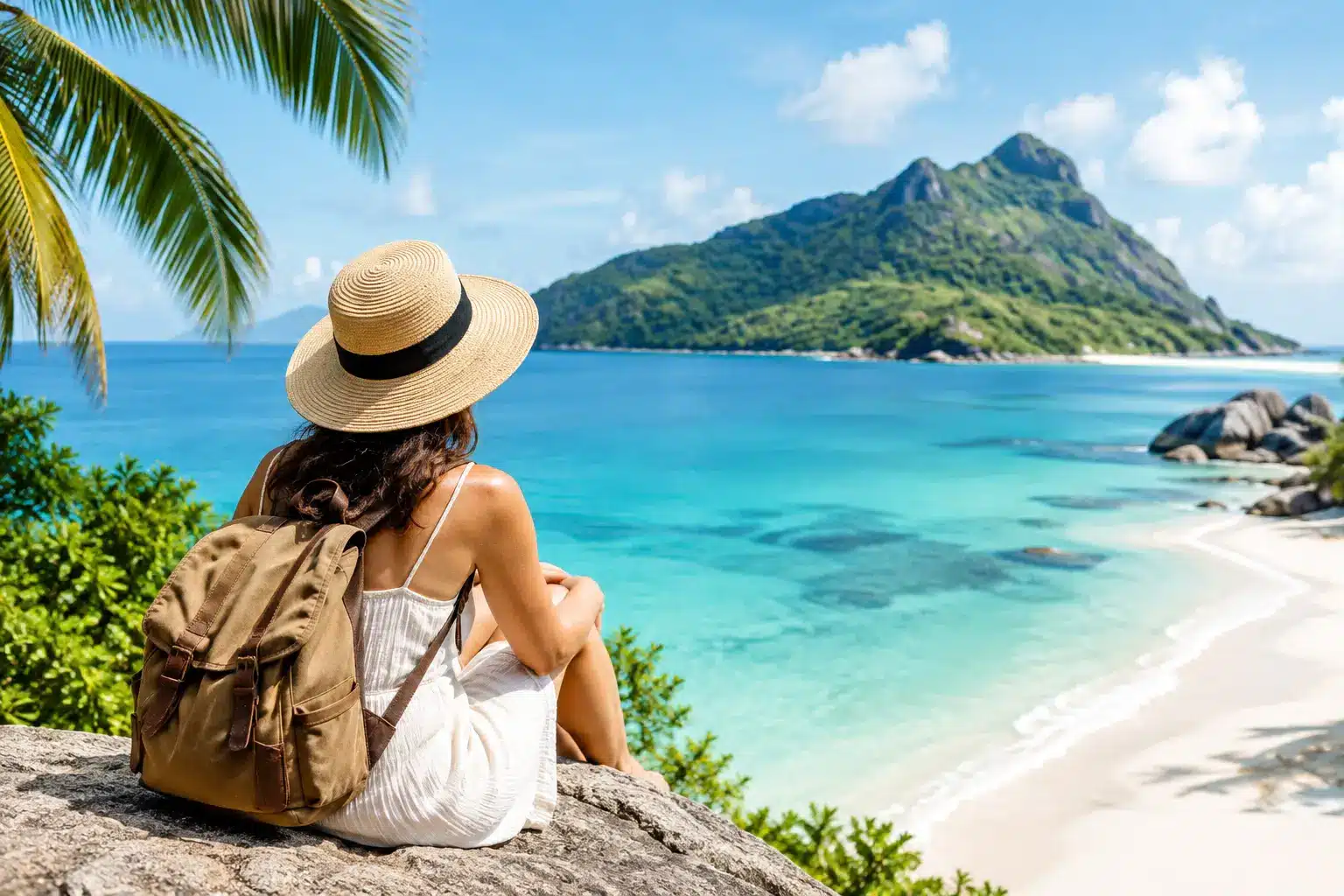
The difference between a glorious island holiday and a slightly expensive sun lounger often comes down to one decision: choosing the right kind of island before you book. Knowing how to choose island holidays is less about finding the prettiest beach on your feed and more about matching a place to the way you actually like to travel.
An island can mean a car-free Greek hideaway, a volcanic Atlantic escape, a rainforest-fringed Caribbean retreat or a big, busy destination with cities, temples and late-night restaurants. They may all promise sea views, but the experience can be wildly different. Start with the holiday you want to have, then let that guide the map.
How to choose island holidays by travel mood
Before comparing flight times or hotel pools, decide what you want your days to feel like. This sounds obvious, but it prevents a common booking mistake: selecting an island for its photographs, then discovering that its pace, size or season does not suit you.
If you want to properly switch off, look for an island with a compact main town, a choice of calm beaches and accommodation within easy reach of the water. A small island can make life wonderfully simple: breakfast, swim, lunch, siesta, sunset. The trade-off is less variety, particularly if the weather turns or you prefer trying a different restaurant each evening.
For a more active break, larger islands tend to reward curiosity. You may be able to combine a beach hotel with hiking, food markets, historic towns, boat trips and a day in the hills. They often suit couples or groups whose ideal holiday contains both lazy mornings and a reason to put shoes on after lunch. Do not assume that larger means less relaxing, though. A well-chosen base away from the busiest resort strip can give you the best of both worlds.
Families should think beyond the beach. Gentle swimming conditions, short airport transfers, shade, self-catering options and a reliable choice of casual restaurants can matter more than a stylish adults-only infinity pool. Meanwhile, friends travelling together may value walkable nightlife and varied room configurations over absolute peace and quiet.
Decide how much island you want to explore
Island size shapes the rhythm of a trip. On a small island, you can often settle into one excellent hotel and see most of the place without much planning. This is ideal when a short break is precious and you do not want to spend it in a hire car. It also makes a sea-view room or a hotel near the harbour a more worthwhile splurge, because you will spend more time close to it.
On a large island, choosing your base is more consequential. Staying in the north may put you hours from the landscapes or beaches you most want to see in the south. Look at a map before booking, not just the property gallery. Check driving times, road types and whether there is public transport after dinner. A beautiful hotel in an isolated corner can be perfect for a retreat, but frustrating if your plan involves several excursions.
Island-hopping deserves the same honest assessment. Two islands in one week can feel brilliantly varied if ferries are frequent, ports are close to your hotels and you enjoy a little movement. It can also turn a restorative holiday into a sequence of packing, queues and timetable watching. In most cases, two bases are enough. Leave room for a day when the only plan is deciding between the beach and a long lunch.
Match the season to the experience, not just the sunshine
The best time to visit an island depends on what you hope to do there. Peak summer brings warmer seas, longer evenings and the fullest choice of restaurants, excursions and boat services. It also brings higher hotel rates, hotter inland conditions and more competition for the beach clubs, tables and rooms with the good balconies.
Shoulder season is often the clever choice for travellers who want value and atmosphere. May, June, September and early October can offer warm weather in many island destinations, while making it easier to book a characterful hotel and eat somewhere popular without treating dinner reservations like a military operation. The sea may be cooler early in the season, and some smaller islands do not fully wake up until later in spring.
Winter sun needs a different lens. A subtropical island can be excellent for walking, whale watching, local food and a dose of daylight, yet not deliver bath-warm water or guaranteed beach weather. Read average temperatures, rainfall and wind patterns rather than relying on a single sun icon. Wind matters particularly on exposed islands: it can transform a promising beach day into an impressive display of airborne sand.
Choose a base that improves the whole holiday
Once you have selected an island, accommodation is where the trip becomes real. Think of your hotel, villa or flat as a location decision first and a design decision second.
A waterfront stay works well if swimming, views and slow evenings are the priority. A room in a historic town is better for travellers who want to wander to cafés, bars and museums without appointing someone as the designated driver. Rural stays offer space, quiet and often the most memorable scenery, but usually require a car and a willingness to plan meals.
Read recent guest feedback with a practical eye. Comments about noise, parking, road access, beach conditions and wind are more useful than vague praise for a ‘lovely stay’. If a pool is central to your plan, check whether it is heated outside high summer. If you are travelling with children, confirm the room layout rather than assuming a sofa bed will suit everyone for a week.
It is worth paying for the feature you will use every day. That might be a terrace, direct beach access, breakfast included or a central location. Spend less on a dramatic suite if you expect to be out on boats, trails and restaurant terraces from morning to night.
Build in one or two experiences worth booking early
The strongest island holidays usually have a little shape. You do not need a packed itinerary, but booking one or two standout experiences gives the week a sense of occasion and stops you missing out on the limited-capacity trips.
A small-group boat excursion can reveal coves inaccessible by road. A guided food walk can make a harbour town far more legible than a dozen menus studied alone. On volcanic or mountainous islands, a local guide can turn a hike into a story about landscapes, farming and weather rather than simply a route to follow. Book popular trips early in peak dates, then keep the rest of your days flexible.
Be realistic about the sea, too. Snorkelling, sailing and wildlife trips are weather-dependent, however polished the brochure looks. Schedule them near the start of the holiday where possible, so there is time to move them if conditions change.
Let local character break the tie
When two islands look equally tempting, choose the one with the stronger pull beyond its beach. Perhaps it is a particular cuisine, a festival, a ruined fort, vineyard country, a fishing culture or a trail that leads through villages rather than resort developments. These details are often what stay with you long after the tan has made a dignified exit.
This is where good local insight earns its keep. The Destination Unlocked podcast is as useful as a guidebook and as personal as a chat with your most well-travelled friend; each 40-minute episode gives you the information you need for a great trip. Hearing how someone who knows a destination spends a free afternoon can be more revealing than another list of ‘top ten’ sights.
A final practical check: price up the full holiday, not simply the headline flight and hotel. Add transfers or car hire, ferry tickets, checked bags, meals, parking and the experiences you are most likely to book. An island that appears cheaper can quickly lose its advantage if every beach, restaurant and excursion requires a costly journey.
Choose the island that leaves space for the version of you that goes on holiday – curious, unhurried and ready to follow an unexpectedly good recommendation. That is usually a far better compass than chasing the most photographed stretch of sand.