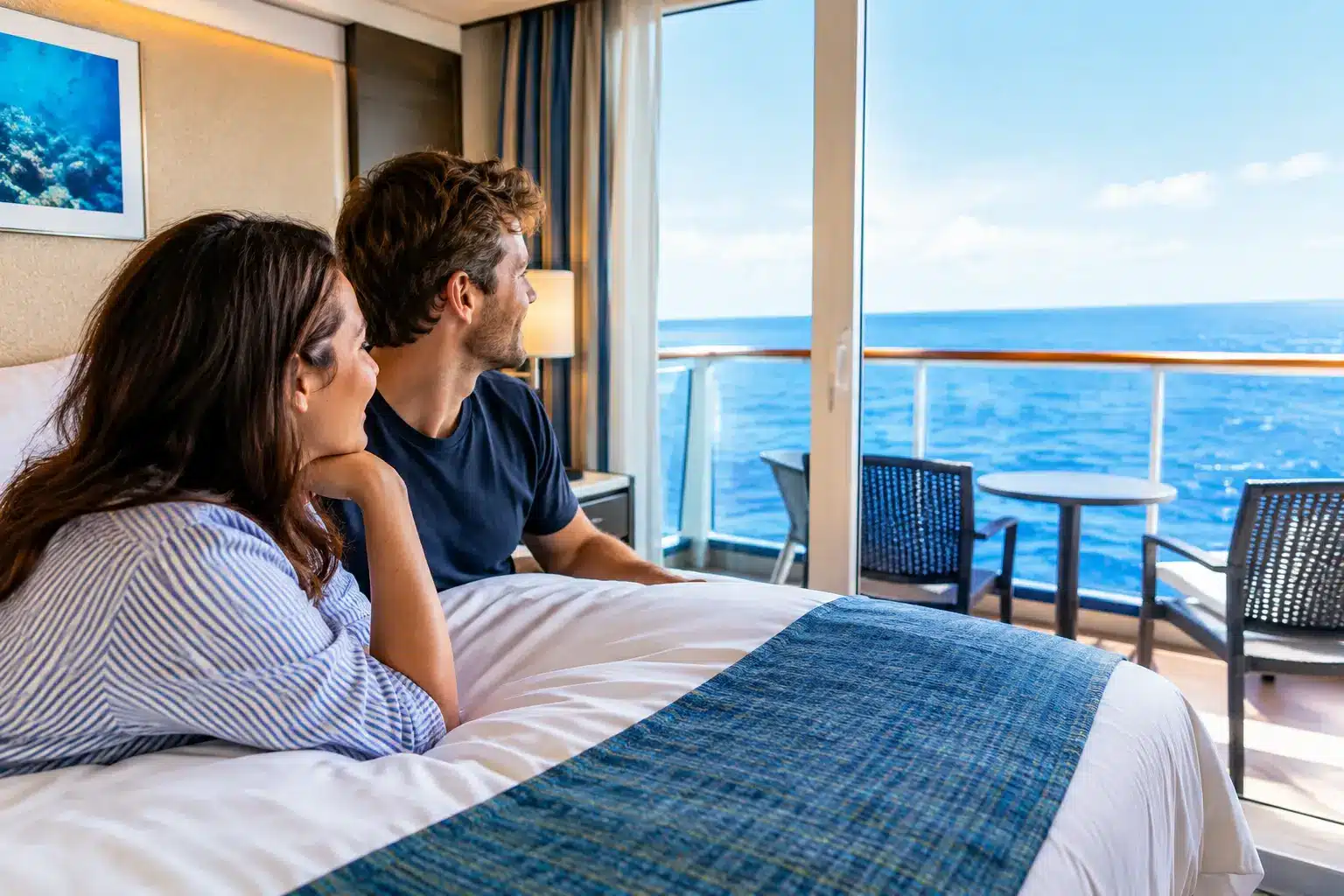
The most expensive room is not always the best one. Cruise cabins can shape the rhythm of your holiday more than many first-time cruisers expect: whether you wake to a new harbour view, sleep through a lively sea day, or spend the week wishing you had paid a little more for fresh air. The right choice comes down to how you travel, where the ship is going and how much time you genuinely plan to spend onboard.
A cabin is not simply a place to leave your suitcase. On an itinerary packed with ports, it may be a smart, quiet base. On a scenic sailing through Norway, Alaska or the Mediterranean, it can become part of the experience itself. The trick is to pay for the features you will use, rather than the ones that merely look good on a deck plan.
Start with the itinerary, not the cabin category
Before comparing room types, consider the holiday you are booking. A seven-night Mediterranean cruise with long days ashore asks different things of a cabin than a transatlantic crossing or a voyage through the Norwegian fjords.
If your ship will spend most days in busy ports, an inside cabin can be excellent value. You may be out early for a food tour, museum visit or beach day, returning only to shower, change and sleep. Put the saving towards a better hotel before departure, a memorable shore excursion or an extra night in a city you have wanted to see properly.
For scenic itineraries, a balcony deserves more serious consideration. Glacier views, island-dotted coastlines and early-morning arrivals are far more compelling when they are a few steps from your bed. That said, weather matters. A balcony on a cool, windy northern sailing may still be worthwhile for the view, but do not imagine you will breakfast outside every morning.
It is also worth checking which side of the ship faces the coast on the most scenic days. Port and starboard can matter on a fjord cruise or when sailing past landmarks, but ships turn, berth in different directions and alter routes for weather. Treat a favourable side as a bonus, not a guarantee worth paying a large premium for.
The main cruise cabin types, explained
Inside cabins: practical and often peaceful
Inside cabins have no window, which sounds stark until you consider the upside. They are usually the cheapest rooms onboard, often located near lifts and public areas, and remain pleasingly dark at any hour. For travellers who like a lie-in, work strange hours or simply want to spend their budget on experiences ashore, that darkness can be a virtue.
The compromise is obvious: no natural light and no sense of the weather or arrival time unless you check your phone or switch on the television. Choose one if price is your priority, but look at the cabin’s exact location before booking. A bargain beside a nightclub, theatre or crew access door can feel less of a bargain by midnight.
Ocean-view cabins: daylight without the balcony price
Ocean-view cabins provide a window or porthole, bringing in daylight and a connection to the sea. They suit travellers who do not need private outdoor space but dislike the closed-in feeling of an inside room.
Not all views are created equal. Some windows are small, partially obstructed by lifeboats or positioned low on the ship, where the horizon can be less comfortable in rougher seas. “Obstructed view” should not automatically put you off – it can offer a useful discount – but check precisely what is in front of the window. A sliver of sea between lifeboat equipment is different from an open panorama.
Balcony cabins: the popular middle ground
For many couples, a balcony cabin is the sweet spot. It adds a private place for a morning coffee, a pre-dinner drink or five quiet minutes away from the bustle of the pool deck. On a ship with thousands of passengers, that small patch of outdoor space can feel rather civilised.
However, balcony cabins vary greatly. Some overlook the open sea; others face an internal promenade, a public walkway or another section of the ship. Some are deep and shaded, while others are shallow enough for two chairs and little else. Read the ship’s deck plan carefully, especially on newer vessels with unusual designs. A balcony is only private if people cannot peer directly into it from a passing deck or neighbouring cabin.
Suites: space, perks and a different onboard experience
Suites offer more room, better bathrooms and, depending on the cruise line, access to exclusive restaurants, lounges, pools or priority boarding. For a special occasion, a multigenerational trip or a longer sailing, those extras can change the feel of the whole holiday.
They are not automatically good value. On a port-intensive itinerary, you may barely use the suite’s living area or private sun deck. But on sea days, or if you value a quieter retreat from the main ship, the premium can make sense. Compare the included benefits as well as the square footage. Priority tender tickets, speciality dining or a separate lounge may be more useful than a slightly larger sofa.
Location can matter more than size
Once you have chosen a category, select the best available position. Midship cabins on lower decks generally feel the most stable, making them a sensible option for anyone worried about seasickness. Forward cabins can have dramatic views, but may feel more motion; aft cabins can be wonderfully convenient for buffet breakfasts or wake views, though they can also pick up vibration from the engines or propellers.
Avoid assuming that a high deck is always superior. Higher cabins may be closer to pools, sun decks and activities, but that can mean scraped loungers and early footsteps overhead. A cabin beneath a restaurant may be quiet overnight but noisy at breakfast. A cabin close to the theatre may be handy, yet the late show has a soundtrack.
Study what sits above, below and beside your proposed room. The most reliably calm choices are usually cabins surrounded by other cabins on all sides. This unglamorous bit of research is often the difference between a relaxing holiday and an unwanted introduction to the ship’s 6am furniture-moving routine.
Decide what is worth paying for
It is easy to be swayed by glossy photographs of suites and sunset balconies. Instead, ask a few honest questions. Will you use a balcony enough to justify the difference? Are you travelling with children, in which case a sofa bed, extra floor space or a cabin near the kids’ club may matter more? Are you celebrating, working remotely for part of the trip, or likely to enjoy slow mornings onboard?
Also compare the fare conditions. A cheaper cabin may come with a less flexible cancellation policy, no drinks package or restricted dining times. Conversely, a higher-grade fare may include extras you would otherwise buy anyway. The cabin price alone rarely tells the full story.
Guaranteed cabins deserve a mention here. These fares let the cruise line assign your room within the category you book, or occasionally upgrade you. They can be good value if you are flexible and content with any location. They are a poor choice if you are sensitive to noise, need an accessible room, have a preferred deck or simply know that a low, midship cabin will help you relax.
Small details that make a cabin work harder
Cabin layouts are compact by design, so look beyond the headline category. Families should check whether the advertised capacity means proper beds or a pull-down berth and sofa bed. Couples may value a king-size configuration, while friends may need twin beds that separate fully.
Storage is another overlooked detail. For a week-long sailing, most cabins cope perfectly well, but longer cruises reward good wardrobes, drawers and space under the bed for cases. If you are booking a cabin with a limited view, look for recent photos from past passengers rather than relying only on a polished category image.
For accessible cruise cabins, book early and verify the practical details directly with the cruise line or travel adviser. Door width, bathroom layout, shower seating, bed height and the route to nearby lifts can all affect comfort. Accessibility should never be reduced to a tick-box on a booking screen.
A little preparation makes the ship feel more personal
Choosing a cruise cabin is partly a practical decision and partly an invitation to imagine your days at sea. The best room is the one that supports the holiday you actually want: early starts in fascinating ports, languid sea days with a book, family time without feeling cramped, or a quiet balcony as the coastline slips past.
Before you book, listen to the Destination Unlocked podcast for the places on your itinerary. It is as useful as a guidebook and as personal as a chat with your most well-travelled friend, with each 40-minute episode giving you the context to make better plans ashore.
Then book the cabin that leaves room in the budget, and in your day, for the moments you travelled for in the first place.