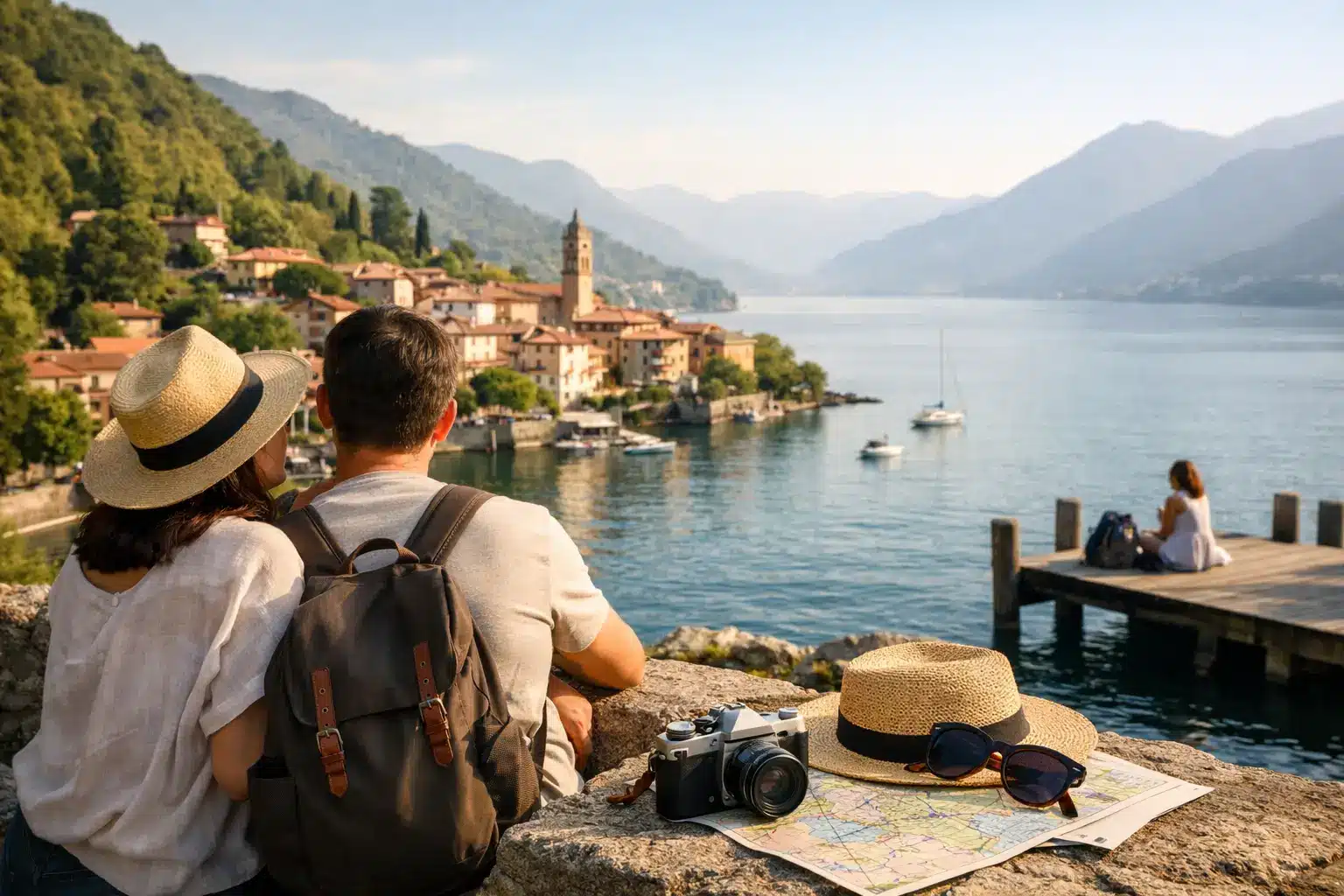
A holiday can be perfectly planned and still feel oddly thin: a breakfast buffet, three landmarks, a frantic search for dinner, then a flight home with 600 photographs and little sense of the place. That is why slow travel trends are gaining ground among travellers who would rather know one neighbourhood well than collect five cities in a week.
This is not an argument for spending a month in a Tuscan farmhouse, lovely though that may be. Slow travel is a way of planning: fewer bases, more time in each, and a deliberate bias towards experiences that reveal how a destination works after the day-trippers have gone home. It suits a long weekend as readily as a fortnight, and it can make a cruise stop or a rail journey feel more considered too.
For travellers close to booking, the appeal is practical as much as philosophical. Staying put can reduce transfer costs, make better accommodation worthwhile and leave room for the sort of activity you remember: a market tour with a local guide, a vineyard lunch, a neighbourhood food walk or an unhurried afternoon on the water.
Why slow travel trends are moving beyond the niche
The most visible shift is from ticking off places to building a relationship with one. Travellers increasingly look for a hotel in a walkable district, a village with a proper local restaurant scene, or a smaller city that rewards repeat strolls. They want the useful details that guidebooks can miss: which square comes alive in the evening, where to swim before breakfast, and which museum is worth booking ahead.
This is partly a response to overtourism. The familiar headline attractions still matter, particularly on a first visit, but many people now want to spread their spending more thoughtfully. That might mean choosing a lesser-known Greek island over the busiest names, visiting Venice in the quieter months and sleeping in Cannaregio rather than rushing in from elsewhere, or using a regional train to explore beyond a major European hub.
It also reflects a more realistic view of travel time. A two-hour transfer, late check-in and early departure can hollow out a supposedly ambitious itinerary. A slower plan gives a trip more breathing room and often better value. Paying a little more for a well-located hotel for four nights may beat saving money at an airport property while repeatedly paying in taxis, time and patience.
There is a caveat. Slow travel is not automatically greener, cheaper or more virtuous. A long-haul flight for a three-night break remains a significant choice, however gently you fill the days. And not everyone can take extended leave. The useful principle is proportion: match the distance travelled to the time available, then avoid treating every hour abroad as a task to complete.
The slow travel trends worth planning around
One base, several versions of a place
The strongest trend is the single-base itinerary. Instead of changing hotel every other day, choose one destination with enough range for your available time. A city break might combine a historic centre, one residential district, a waterfront and an easy day trip. A coastal stay could include beach time, a fishing village, a hill-town and a boat excursion.
This approach makes accommodation selection more important. Look beyond room size and breakfast ratings. Is the hotel within walking distance of the places you will want to return to after dinner? Does it sit near a station, harbour or tram stop? Is there a balcony, courtyard or lounge where a slower morning would actually be pleasant? For a flat-style stay, a kitchen can be useful, but it need not turn your holiday into domestic admin. It is most valuable for breakfast, picnic supplies and one simple supper after a full day out.
A single base works especially well in places where movement is part of the pleasure. Lisbon, for example, rewards time in individual bairros rather than a relentless march between viewpoints. In the Scottish Highlands, a stay of several nights gives weather the chance to change its mind and gives you permission to do the same. On a Mediterranean island, a hired car or local bus can turn one well-chosen hotel into a series of small discoveries.
Local-led activities, booked with room to wander
Slow does not mean unplanned. In fact, booking one excellent experience can stop a day becoming a vague procession of mediocre choices. The difference is choosing activities that offer context rather than simply speed.
A small-group walking tour on the first morning can help you understand a city’s layout and return to its most appealing corners later. A cookery class, guided cycling route, wine tasting or wildlife trip can introduce a landscape through someone who knows its rhythms. In historic cities, an early-access museum visit may preserve the afternoon for aimless wandering, which is often when the real holiday begins.
Avoid booking every slot. One anchor activity a day is usually ample, particularly if it involves a long lunch, transport or weather. If you are taking a cruise, consider choosing a shore excursion that goes deep rather than wide: one town and its food culture, a coastal walk with a local guide, or a smaller boat trip, rather than a coach tour attempting to conquer an entire region before sail-away.
The quality of the guide matters. Read recent reviews for signs of genuine local knowledge, manageable group sizes and enough time to ask questions. The best guides do not merely recite dates. They point out the bakery residents use, explain why the architecture changes from street to street and leave you with a few places to revisit independently.
The return of the shoulder-season stay
Shoulder season has become one of the most sensible expressions of slow travel. Visiting in April, May, late September or October can mean softer light, more available tables and hotels, and a destination that has not been turned into a queue. It can also make a longer stay possible within the same budget.
The trade-off is that not everything will be open, and the weather may be less predictable. On smaller islands and in resort towns, confirm restaurant hours, ferry schedules and the opening dates of beach clubs or seasonal attractions before booking. A quiet place can be blissful; a closed place is less so.
Cities, wine regions and year-round cultural destinations are generally safer bets for shoulder-season slow travel. They offer enough life beyond peak tourism, while allowing visitors to spend time in galleries, cafés, public markets and neighbourhood restaurants without feeling as though they are following a crowd from one photo stop to the next.
Rail, road and water as part of the holiday
Travel between places is no longer always seen as dead time. Rail journeys are particularly suited to a slower itinerary because they place you in the centre of a destination and make a one-night stop feasible without the theatre of airport logistics. A route through northern Italy, Switzerland, Spain or the Netherlands can be shaped around handsome smaller cities as well as the obvious capitals.
Road trips also fit, provided the map is not overly optimistic. Build in two-night stays, avoid arriving somewhere new after dark where possible, and reserve the final night near the departure airport only when an early flight makes it genuinely sensible. The goal is not to drive fewer miles for the sake of it. It is to leave enough time for the detour that turns out to be the day’s best idea.
Water offers another compelling version of slow travel. A ferry journey, river cruise or small-ship sailing can make the transition between destinations feel connected rather than fragmented. Larger cruises can work too, particularly when you resist the temptation to treat each port as a race. Choose one or two meaningful experiences ashore and leave time to sit in a café, walk along the harbour or simply notice how a place moves.
How to build a slower holiday without wasting it
Start with the question: what do you want to come home knowing? It may be a city’s food culture, a coastline, a region’s history, or simply whether you could imagine returning. That answer will make the destination and hotel choice clearer than a generic list of ‘must-sees’ ever could.
Then plan in layers. Book the flight or rail journey, a well-situated stay and the experiences that would be disappointing to miss. Keep the remaining time open for recommendations from a guide, a receptionist or the person pouring your first glass of local wine. This is not a plea to abandon research. It is a case for leaving space for better information once you arrive.
The Destination Unlocked podcast is useful here: as practical as a guidebook and as personal as a chat with your most well-travelled friend, each 40-minute episode gives you the grounding to plan a great trip while still leaving room for your own discoveries.
Finally, allow a destination to be imperfect. Rain may cancel the boat trip. The celebrated restaurant may be fully booked. A neighbourhood suggested online may not suit you at all. Slow travel gives you the flexibility to adjust without feeling that the holiday has failed. Book the base, choose the experiences with real texture, and give yourself enough time for a place to surprise you.