Lagos is a city where eating is rarely a minor interruption. Food can be quick, smoky and roadside, or slow, elaborate and served in a dining room built for the occasion. For a first-time visitor, the best introduction is not a hunt for one famous restaurant. It is learning what the principal dishes are, when people eat them and what you are actually ordering.
Suya: the essential evening order
Suya is thinly sliced meat seasoned with a peppery groundnut spice mixture and grilled over an open flame. Beef is common, with chicken, ram and offal also appearing. It is usually served with sliced onion, tomato and extra spice. The best version arrives hot, with charred edges and enough heat to make the accompanying drink feel necessary.
Popular stalls become busy after dark. Go with a local recommendation, choose a vendor with strong turnover and watch the food being cooked thoroughly. In the Destination Unlocked episode, Vanessa Jev makes a compelling case for pairing suya with a cold Chapman.
Chapman: Lagos in a glass
Chapman is a bright red, sweet and citrusy Nigerian cocktail or soft drink, often made with orange and lemon-lime sodas, blackcurrant cordial, bitters, cucumber and citrus. Recipes vary, and some contain alcohol while others do not. Ask before ordering if that matters. It is refreshing, slightly theatrical and found on menus across the city.
Small chops: not merely a starter
Small chops are the Nigerian answer to a party platter: puff-puff, samosas, spring rolls, meat and other bite-sized snacks gathered together. Puff-puff is the indispensable element, a light fried dough with a gently sweet centre. Small chops work at celebrations, events and casual gatherings, which makes them a useful introduction to how Lagos feeds a crowd.
Àmàlà, ewedu and gbegiri
Àmàlà is made from yam flour or cassava flour and served as a smooth swallow alongside soups. A classic combination brings it together with ewedu, made from jute leaves, and gbegiri, a bean soup, often with meat and stew. The point is the combination of textures and flavours. Eat with the fingers of your right hand if following local custom, pinching off a small piece and using it to collect the soup. Cutlery is perfectly acceptable if you prefer.
Jollof rice, because you cannot avoid the argument
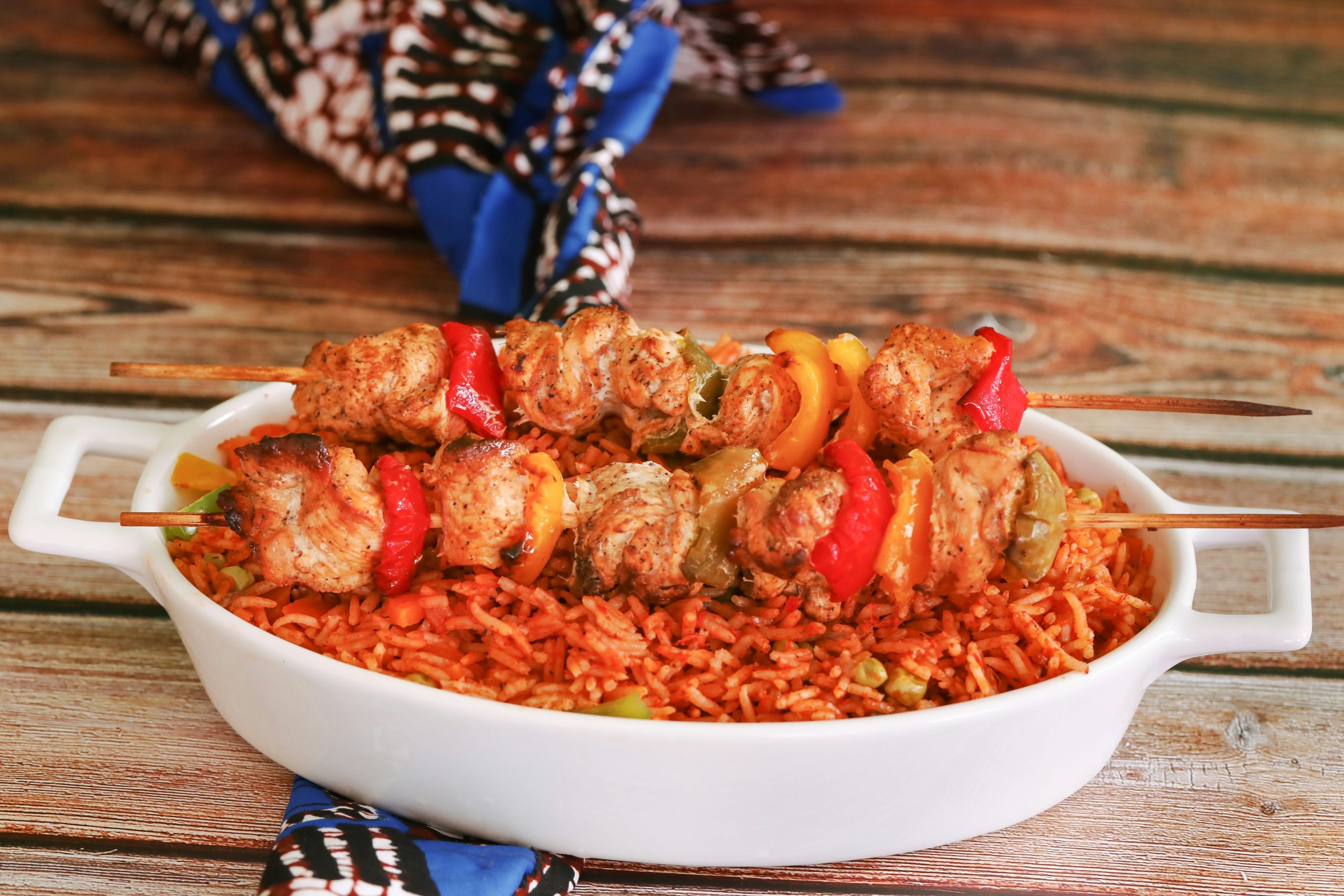
Nigerian jollof cooks rice in a tomato and pepper base until the grains absorb the sauce. Party jollof often carries a distinctive smoky character. Nigerians have strong views about the country’s version in comparison with neighbouring West African traditions. Enjoy the rivalry, but do not reduce an entire food culture to it. Lagos has far more to offer than the dish most international visitors already recognise.
Pepper soup and other warming contradictions
Pepper soup is a fragrant, spicy broth made with meat or fish. The name is accurate. It can be bracingly hot, which does not stop it being popular in an already warm climate. Ask what protein is being used and make your tolerance for chilli clear, although “not too spicy” is an imprecise instruction in a city with a generous understanding of heat.
Fresh palm wine
Palm wine is tapped from palm trees and changes quickly after collection as fermentation develops. Fresh versions can be light and sweet; older versions become stronger and sharper. Drink it from a reputable source, ask how fresh it is and remember that alcohol content is not always obvious from the first sip.
How to eat street food sensibly
Choose busy stalls with high turnover, favour food cooked in front of you and served piping hot, and be cautious with raw garnishes if you cannot assess how they were washed. Drink sealed bottled or safely filtered water. A local host or food guide is valuable because the strongest recommendation is often a stall, buka or neighbourhood restaurant that would be difficult to identify from an international review site.
Restaurants, bukas and hotel dining
A buka is an informal local eating place, often serving prepared dishes from a counter. It can be one of the most satisfying ways to try several Nigerian foods, but ask for help with names, ingredients and spice levels. Modern Lagos restaurants increasingly interpret regional Nigerian cooking in polished surroundings, while hotel restaurants provide a gentler first step for travellers who want time to understand the menu.
Build one food-led evening
Rather than squeezing six dishes into a tasting marathon, begin with small chops, choose one substantial meal such as àmàlà with soups or jollof with grilled meat, then finish with suya later if appetite allows. Add Chapman or palm wine according to the setting. Lagos food deserves attention, not competitive completion.
Return to the Lagos destination hub for more planning advice, and listen to Vanessa Jev’s Lagos recommendations on Destination Unlocked.
Featured photograph: Keesha’s Kitchen via Unsplash.