France rewards travellers who choose a region rather than attempting to collect the whole country. Its waterways make that choice unusually pleasurable, linking vineyards, villages, market towns and historic cities at a pace slow enough to notice the landscape between them.
Why explore France by barge?
A luxury hotel barge is small enough to enter canals and pass beneath bridges that exclude conventional river ships. Most carry between two and 12 guests, although some accommodate larger groups. The scale creates an intimate journey with a private chef, dedicated crew and daily excursions planned around the places close to the mooring.
The boat is not simply transport. It is a floating country house that moves at roughly walking pace. Guests can remain on the sun deck, step ashore beside a lock, or cycle along the towpath and meet the vessel further along the canal.
Choose your region
Burgundy
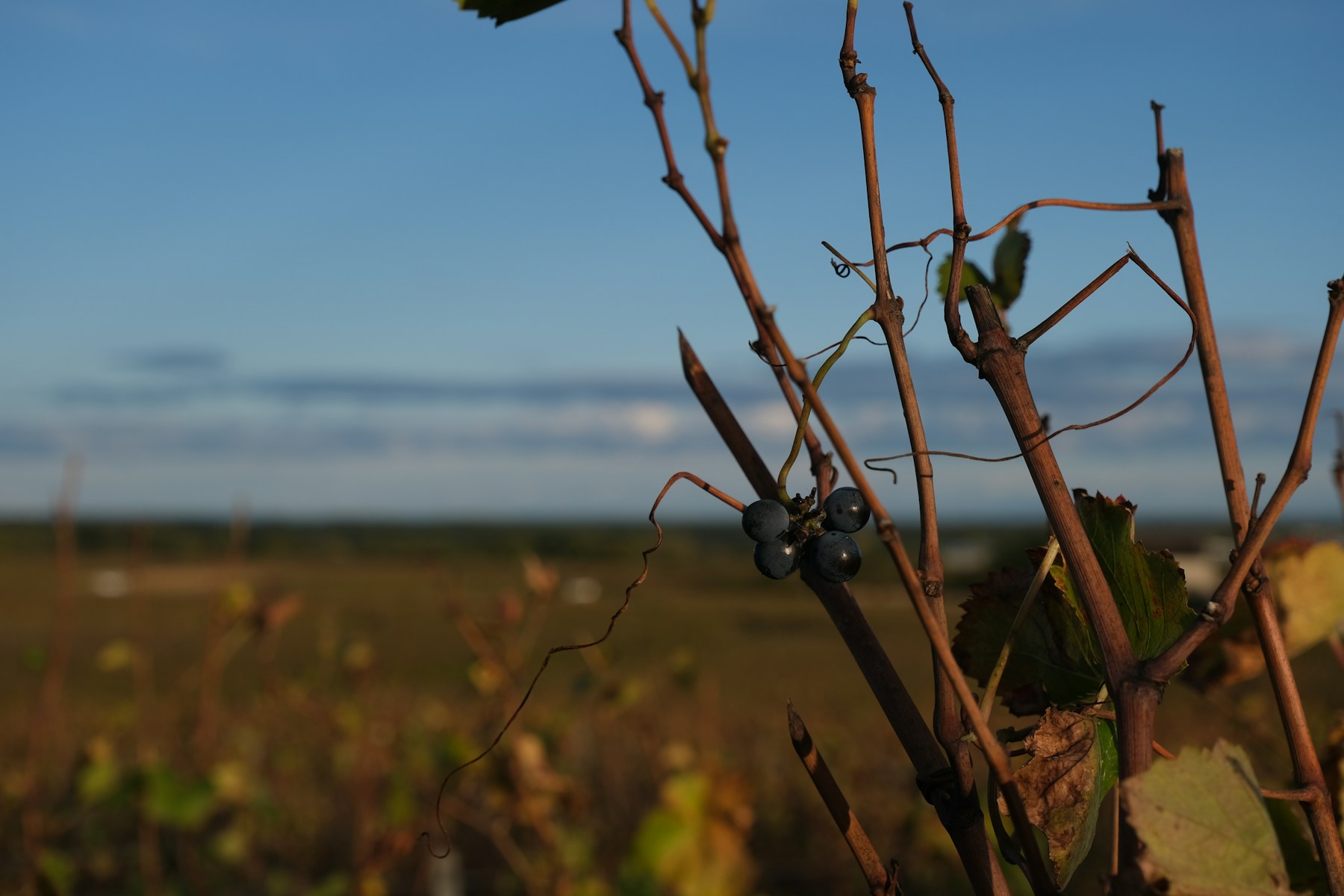
Burgundy is the natural choice for wine history, vineyard landscapes and serious food. Routes may combine the Saône with the Canal de Bourgogne and excursions to Beaune, Dijon, Clos de Vougeot and famous Côte d’Or vineyards. The waterways provide access to a softer, greener Burgundy beyond the celebrated labels.
Canal du Midi
The Canal du Midi runs through southern landscapes shaped by plane trees, vineyards and old stone towns. Barges here are constrained by the canal’s locks and bridges, which is precisely what gives the route its intimacy. Carcassonne is the great headline sight, while village markets and regional cooking supply much of the texture.
Champagne
Champagne offers vineyard visits, cellars and elegant towns, but the region is not reserved for devoted wine drinkers. A barge itinerary also reveals rural northern France, local producers and landscapes that many visitors otherwise cross at speed on the way to Paris.
Alsace, Bordeaux and Provence
Alsace brings half-timbered towns and a meeting of French and Germanic traditions. Bordeaux pairs waterways with one of the world’s great wine regions. Provence and the Camargue offer stronger southern light, wetlands, markets and a different culinary rhythm. The right choice depends less on a league table than on what you want the week to feel like.
What happens each day?
A typical day balances two or three hours of cruising with one principal excursion. Breakfast and lunch are served on board, while the guide and chauffeur vehicle connect the mooring with a nearby château, market, historic town or producer. Dinner returns everyone to the same table, where a private chef introduces the region through several courses, local cheeses and carefully chosen wine.
When to go
The main season runs through the warmer months. May and September are particularly sought after because they combine pleasant temperatures with long enough days for excursions and time on deck. July and August bring hotter weather and greater demand. Exact conditions vary considerably between northern Champagne and the Canal du Midi.
How to choose a barge
Begin with the group. A couple booking by the cabin needs a different vessel from a family chartering the whole boat. Then consider cabin space, deck layout, bicycles, pool or spa facilities, walking difficulty and the balance between wine, food, history and active excursions.
French Waterways represents more than 55 barges and recommends them independently. Its team can also advise on transfers, packing, itinerary adjustments and the practical details that sit between choosing a cruise and stepping aboard.
Listen: Luxury Barge Cruising in France
French Waterways Chief Executive Rosie Mansfield joins Daniel Edward to explain the world of luxury hotel barging, from Burgundy’s vineyards to the pleasure of ducking beneath a low bridge with your favourite people.
