Barcelona Travel Guide: Insider Tips From Local Guide Ann-Marie Brannigan
If you’re planning a trip to Barcelona and want real tips from someone who actually lives there, you’re in the right place. This Barcelona travel guide is based on a conversation between travel writer and presenter Daniel Edward and Ann-Marie Brannigan, co-founder of Runner Bean Tours, one of the most respected walking tour companies in Barcelona.
Ann-Marie has lived in Barcelona for more than two decades. She spends her days walking its streets, explaining Gaudí, Gothic alleys, beaches and tapas bars to visitors from around the world – so this guide is shaped by the things she sees first-time visitors get right… and what they often miss.

This guide is best for: first-time visitors to Barcelona who want an easy, honest overview of what to see, when to go, where to stay, what to eat, and how to get around.
Why Visit Barcelona?
Barcelona is one of those cities that lodges itself in your memory. You’ve got:
- Gaudí’s architecture twisting and spiralling across facades.
- A compact medieval core in the Gothic Quarter.
- Long city beaches that are a tram ride, not a flight, away.
- A genuinely strong sense of Catalan identity running underneath it all.
Ann-Marie often sees visitors arrive with two competing expectations:
- A big, sunny beach city with sangria on tap.
- A serious culture and history city where you tick off cathedrals and museums.
Her main point? You can do both, but not at the same time. If you try to pack everything into one day, you’ll exhaust yourself and barely remember where you’ve been. This guide breaks Barcelona down into manageable chunks, so you can choose what matters most to you.
Best Time to Visit Barcelona
Barcelona is busy for most of the year — and the reasons are obvious: sunshine, culture, food, and beaches. But the feel of the city changes a lot with the seasons.
Winter (Dec–Feb)
Ann-Marie describes winter in Barcelona as “surprisingly pleasant” – mild weather, fewer crowds, and a lovely atmosphere in December, when the city’s Christmas traditions take over.
Winter in Barcelona is great if you:
- Prefer fewer crowds
- Don’t mind cooler, layering-weather
- Are more interested in food, culture, and city walks than sunbathing
December is often the quietest month for tourism. You still get festive lights and local Christmas traditions, but without the full crush of summer.
Spring (Mar–May)
Spring is a real sweet spot:
- Comfortable temperatures for walking tours and day trips
- Gardens and parks at their best
- Fewer cruise ships and slightly lighter crowds than high summer
If you’re choosing blindly and want a bit of everything, April-May is one of the best times to go.
Summer (Jun–Aug)
Ann-Marie is very clear: summer in Barcelona is “heaving” busy. Add in cruise ships and you can easily have 20,000 extra visitors in the city on a single day.
Good if you:
- Love heat and long beach days
- Enjoy a lively, energetic atmosphere
- Don’t mind queues and crowds
You could also combine a city break in Barcelona with a cruise around the Med. There are so many great cruises that depart from Barcelona, and there are good hotels close to the Barcelona cruise port too.
Autumn (Sep–Nov)
Beautiful weather, lively festivals, and a return to “normal” city life.
A good choice if you want the best of everything without peak-season intensity.
- Sea is still warm from summer
- Temperatures are more comfortable for walking and sightseeing
- Crowds ease off as families go home for school
Essential Things to Do (Gaudí, Gothic Quarter, Montjuïc)
When people book a walking tour with Runner Bean Tours, they almost always ask the same question: what are the must-see things to do in Barcelona?
Here are the core sights Ann-Marie highlights for first-timers:
Sagrada Família: The absolute must-see
If you take one thing away from the podcast, it’s this:
You cannot skip Sagrada Família.
Ann-Marie calls it “non-negotiable” for a first visit, even if you think you’re “not into churches” or “not really an architecture person.”
She’s seen too many sceptics walk in, go quiet, and then whisper some version of: “Okay. I get it.”
Key tips:
- Book tickets in advance – don’t just turn up.
- Give yourself time inside, not just outside for photos.
- If you can, book a guided tour – the details are what make it.
Editor’s Note:
The basilica is still under construction and expected to be completed around 2026, though the timeline may move (as it often has). It remains a symbol of Catalan identity and Barcelona’s most visited attraction.
Park Güell
One of Gaudí’s most colourful creations.
- Timed entry
- Lots of walking
- Best early morning or late afternoon
Gothic Quarter: Medieval streets and hidden corners
The Gothic Quarter (Barri Gòtic) is the old heart of Barcelona. Narrow streets. Small squares. Layers of history from Roman to medieval to modern-day tapas bars.
Ann-Marie sees a lot of visitors rush it – they follow the crowds down La Rambla and dip into the Gothic Quarter for a quick photo stop. Her advice is to slow it down:
- Wander off the main routes.
- Look up at balconies, stonework and old shop signs.
- Use a walking tour or self-guided route to avoid getting stuck in the same two streets as everybody else.
Casa Batlló & La Pedrera
Gaudí’s “liveable” masterpieces in Eixample.
Both offer excellent interior tours, though Ann-Marie notes that La Pedrera’s rooftop is especially memorable.
La Rambla
Worth walking once.
Not worth eating on.
Exactly as Ann-Marie says: step just one or two streets away for better food.
Montjuïc: Historic views away from the crowds
For a classic panoramic view of Barcelona, Ann-Marie suggests heading up Montjuïc:
- Take the funicular and then the cable car up the hill.
- Enjoy close-up views over the city, port and sea.
- Combine it with a visit to the castle or simply a walk around the gardens.
It’s a good way to step back from the busy streets, especially in summer, and you’ll find there’s a surprising amount in the area beyond the hilltop views. You can visit the Olympic Stadium, the MNAC art museum, of course the castle and gardens… and sunset is beautiful from up here too.
Beaches: man-made but still worth a visit
One of the surprises for a lot of listeners is that Barcelona’s beaches are largely man-made – the city brought in sand and continues to “top it up” to keep the beaches looking good.
Ann-Marie’s key point is: they’re still enjoyable – just don’t expect them to feel like untouched nature. If you want a bit more space and a more local feel, look at beaches slightly beyond Barceloneta rather than just the obvious stretch closest to the city centre.
Editor’s Note:
If you’ve got the time and you love beaches, consider staying in Sitges – about an hour from Barcelona. The town’s beach vibes are so much more relaxed than the main city and you’re still really close for daytrips into Barcelona by car or train.
Barcelona Neighborhoods: Where to stay and explore
One of the best parts of Barcelona, according to Ann-Marie, is its distinct neighbourhoods, many of which started life as separate villages before being absorbed into the city.
Eixample: Grid streets and modernist architecture
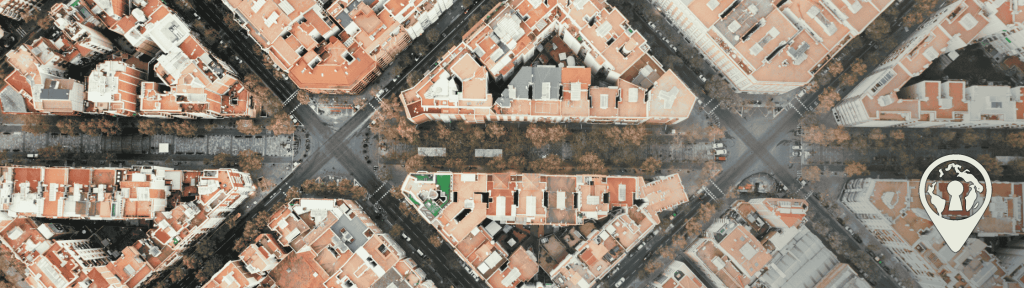
Eixample is the large grid-pattern neighbourhood that surrounds the old centre. It’s full of:
- Wide streets and chamfered corners
- Modernist buildings
- A mix of local life, shops and cafés
Good for you if you like space, light, and easy navigation.
Stay closest to Sagrada Familia: Radisson Blue 1882 Hotel (you can actually have a drink on the hotel’s rooftop terrace with direct views of Gaudi’s masterpiece)
Stay closest to La Pedrera with a rooftop pool: H10 Casa Mimosa (a great stay, that isn’t a big international chain. Also, that rooftop pool… oh wow!)
Luxury stay at the top of La Rambla: NH Collection Barcelona Gran Hotel Calderon (such a good location if you want to enjoy the city on foot. You’re within 10 minutes of the Gothic Quarter and one block from Casa Batllo)
Gràcia: Village feel within the city
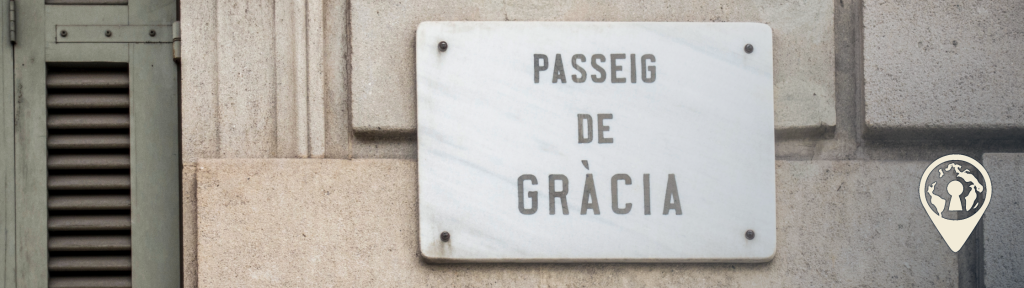
Once a separate town, Gràcia still feels like a small, independent community:
- Lots of small plazas
- Independent bars and restaurants
- A more local, laid-back atmosphere
Ann-Marie often recommends Gràcia to visitors who want to feel less “in the middle of the tourist zone” while still being well connected to the sights.
Stay somewhere iconic: Hotel Casa Fuster G.L Monumento (right at the head of the famous Passeig de Gracia Avenue, this gorgeous hotel was built in 1908 and is listed as a UNESCO World Heritage Site)
Choose luxury and convenience: Casagrand Luxury Suites Barcelona (elegant hotel really close to La Pedrera. Stylish rooftop pool for a quick dip)
Walk to Park Guell: Hotel Ronda Lesseps (away from the crowds, this family-run hotel has a relaxed courtyard garden with seating, and you’re within 10 minutes’ walk of Park Guell)
The Old City: Gothic Quarter, El Raval and beyond
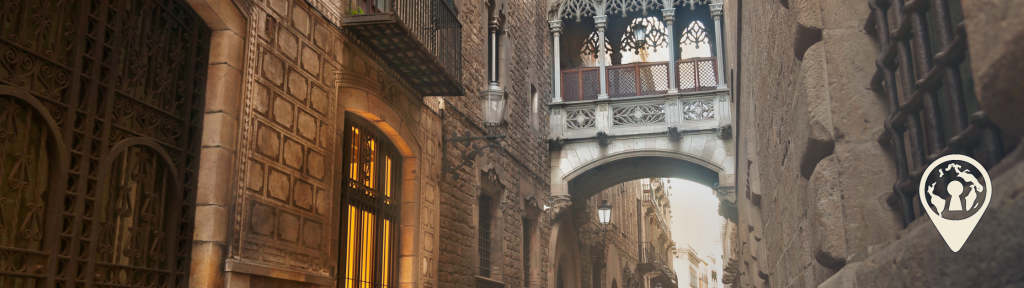
When Ann-Marie talks about the Old City, she’s referring to the area inside the medieval walls, with La Rambla running down the middle.
- On one side, you have El Raval – historically a working-class area, now changing and full of bars, culture spaces, and some edgier corners.
- On the other side, you have the Gothic Quarter, with its cathedral, lanes and historic buildings.
If you stay here, expect character and atmosphere – and also more noise and crowds, especially at night.
Elegant and stylish: Ohla Barcelona (three in-house restaurants plus a rooftop bar, with a pool)
Adults only luxury hotel: Wittmore Hotel (boutique luxury hotel, very close to Plaza Reial and the Cathedral of Barcelona.)
Live like the other half live: Hotel Neri (this is something special – stay in an 18th Century aristocratic house in the heart of the Gothic Quarter. It feels like a castle)
How to Get Around Barcelona
Walking & Tours
Barcelona is a very walkable city, especially if you focus your time on a couple of areas rather than trying to cross everything off in one day.
Public transport in Barcelona
Ann-Marie’s main transport tips:
- Walking: Great for the Old City, Eixample and Gràcia.
- Metro: Fast, generally reliable and easy to use for longer hops.
- Public transport passes: Look at multi-day passes if you’re staying a while and expect to travel a lot. The T-casual ticket is a good option, giving you 10 journeys in one ticket. If you’re going to rely on public transport a lot, then get the Hola Barcelona Travel Card, which includes unlimited public transport for up to 5 days and includes the journey to and from the airport.
- Taxis: Widely available, useful late at night or with luggage. Usually quicker than Uber.
Editor’s note:
For up-to-date details on metro ticket and passes, check the official TMB Barcelona website before you travel as prices and ticket types can change.
What to Eat in Barcelona (and Catalonia)
Food is one of the real highlights of any Barcelona trip. Across the episode, Ann-Marie mentions local dishes and Catalan flavours that first-time visitors should try.
Read our full Barcelona Food Guide here.
Must-try dishes:
- Albóndigas con sepia (meatballs with squid)
- Canelons (Catalan cannelloni with bechamel)
- Crema Catalana
- Pa amb tomàquet (bread with tomato — simple but everywhere)
Where to eat:
Ann-Marie emphasises the importance of avoiding obvious tourist traps and stepping one or two streets away from major sights.
Try your hand at cooking up a Catalonian classic! Download our free recipe cards and recreate Ann-Marie’s favourite local dishes at home.
- Albóndigas con Sepia – Catalan Recipe
- Canelons – Traditional Catalan Cannelloni
Barcelona Day Trips You Shouldn’t Miss
Day trips are such a good way to change the pace without checking out of your hotel, and there are some great options within easy reach of Barcelona.
Tarragona
Roman amphitheatre, Mediterranean coastline.
Girona
Medieval streets, colourful riverside houses, excellent food.
Montserrat
Dramatic mountain monastery.
Barcelona Safety and Common Mistakes
Ann-Marie’s safety advice is reassuring and realistic:
- Barcelona is generally safe, but you do need to be alert to pickpockets, especially in crowded areas like La Rambla, metro stations and major sights.
- The main risk is usually petty theft, not violent crime.
Common first-timer mistakes she sees:
- Trying to see too much in too little time.
- Spending the entire trip between La Rambla, Barceloneta and Sagrada Família and assuming that’s “all there is”.
- Not exploring neighbourhoods beyond the obvious tourist path.
Think of this guide – and the podcast episode – as an invitation to slow down, choose your priorities, and actually enjoy being in the city.
About Our Local Expert: Ann-Marie Brannigan, Runner Bean Tours
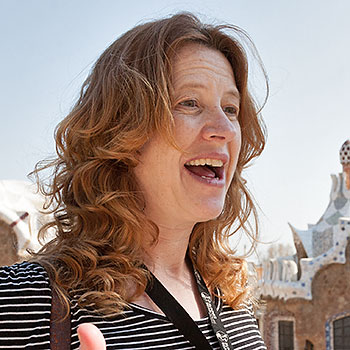
This Barcelona travel guide is built around insights from Ann-Marie Brannigan, co-founder of Runner Bean Tours.
- She has lived in Barcelona for over 20 years.
- She runs walking tours that focus on history, architecture and local stories.
- She spends her working life answering the exact questions you probably have before your first visit.
To find out more about Ann-Marie and Runner Bean Tours, please visit Ann-Marie’s guest profile page or visit the Runner Bean Tours website.

About Destination Unlocked
This guide is part of Destination Unlocked, a travel podcast and website hosted by Daniel Edward – a travel writer, presenter and former cruise director.
Each episode features a deep-dive conversation with a local guide or expert, focusing on one destination at a time. The goal is simple: to help you plan better trips and feel more confident about the places you’re visiting.
You can:
- Listen to the full Barcelona podcast episode with Ann-Marie Brannigan
- Explore more destination guides
- And dip into guest profiles and spin-off articles inspired by each conversation
Listen to the Full Barcelona Episode
Nothing found. Please check your show/episode id.