Tenerife is very good at making holidays easy. The south coast offers reliable sunshine, large resorts and an almost frictionless transition from airport to sun lounger. That convenience is part of the island’s success—but it can also disguise what makes Tenerife distinctive.
Beyond the resort belt is an island of astonishing contrasts: volcanic desert and ancient laurel forest, prosperous port cities and isolated mountain hamlets, centuries-old vineyards and black-lava swimming pools. You do not need to reject the beach holiday to find it. You simply need to give part of your trip to the island beyond the pool gate.
1. Explore Teide National Park—not only the summit
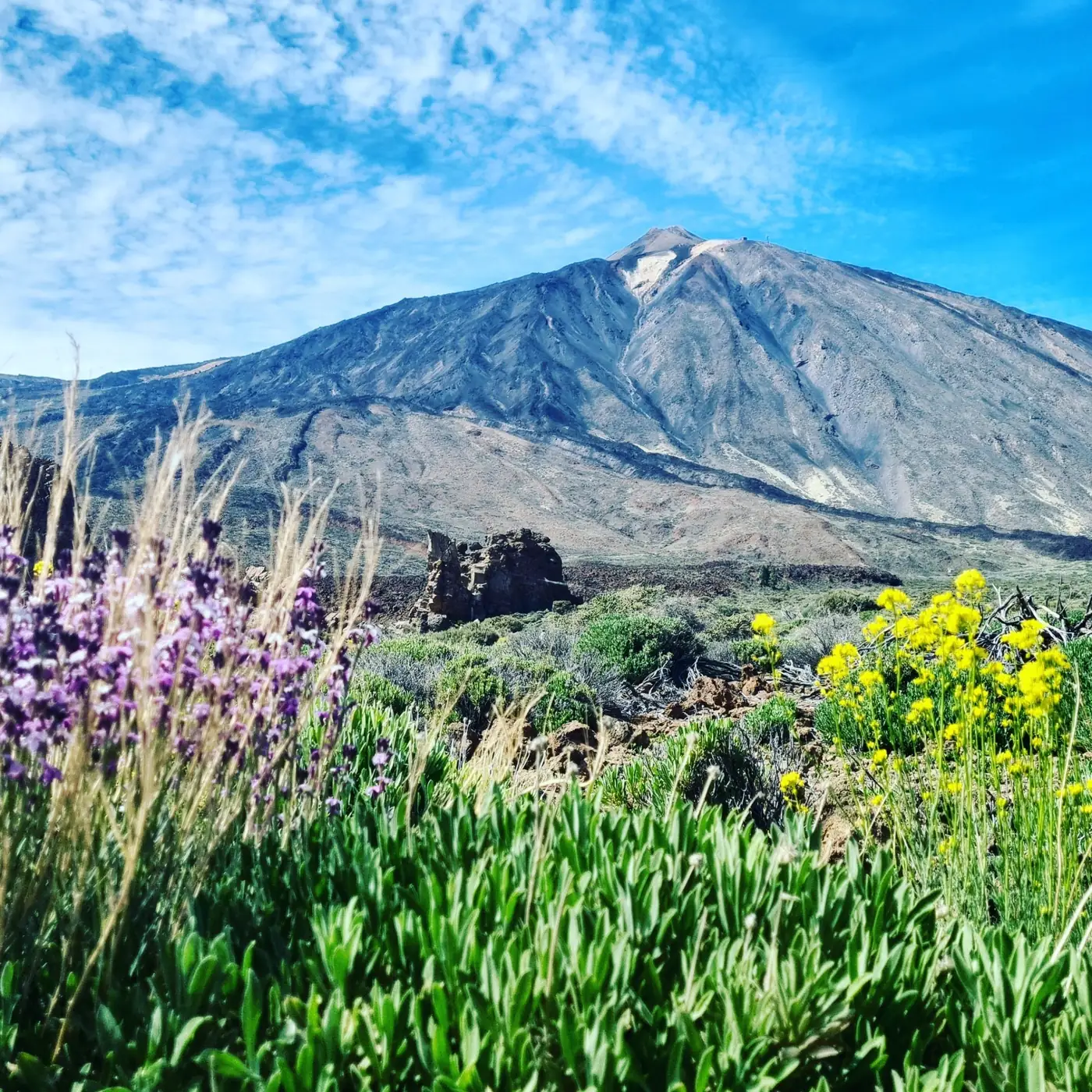
Mount Teide is Tenerife’s visual anchor and, at 3,718 metres, Spain’s highest peak. Yet the summit is only one part of the experience. The wider national park sits at roughly 2,000 metres above sea level, inside the vast Las Cañadas caldera. Lava flows, pumice, volcanic cones and eroded rock formations create a landscape that can look lunar, Martian or theatrical depending on the light.
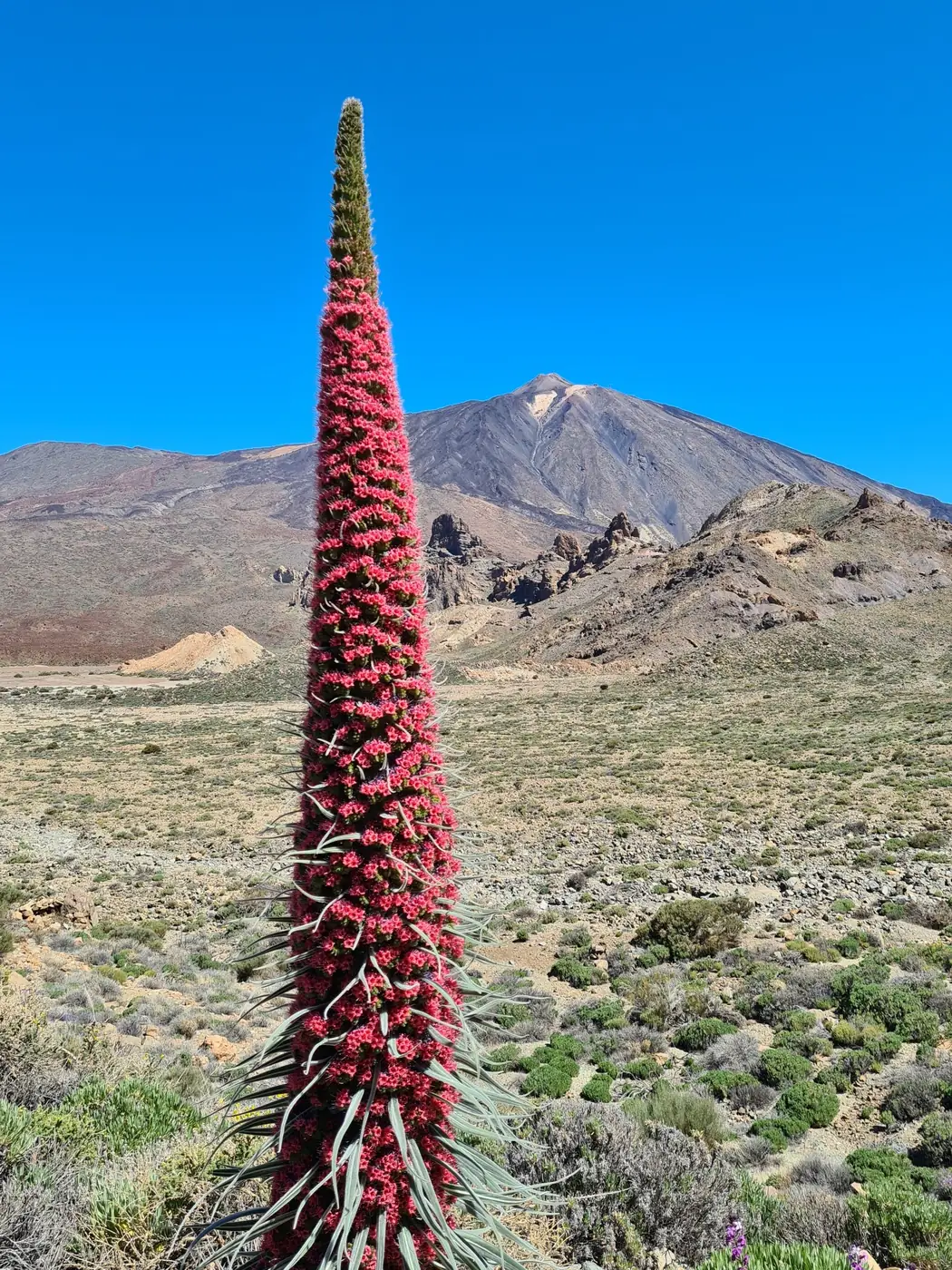
Stop at several viewpoints rather than racing directly to the cable car. Access arrangements for high-mountain trails can change, and weather at altitude can bear little resemblance to conditions on the coast. Check Tenerife ON before travelling and arrive with appropriate footwear, warm layers, water and sun protection.
2. See how the trade winds divide the island
The difference between northern and southern Tenerife is written into the climate. Moist north-easterly trade winds meet the island’s high ground and form a blanket of cloud on the windward slopes. The north is consequently greener, with vineyards, banana plantations and gardens, while much of the south is naturally drier and sunnier.
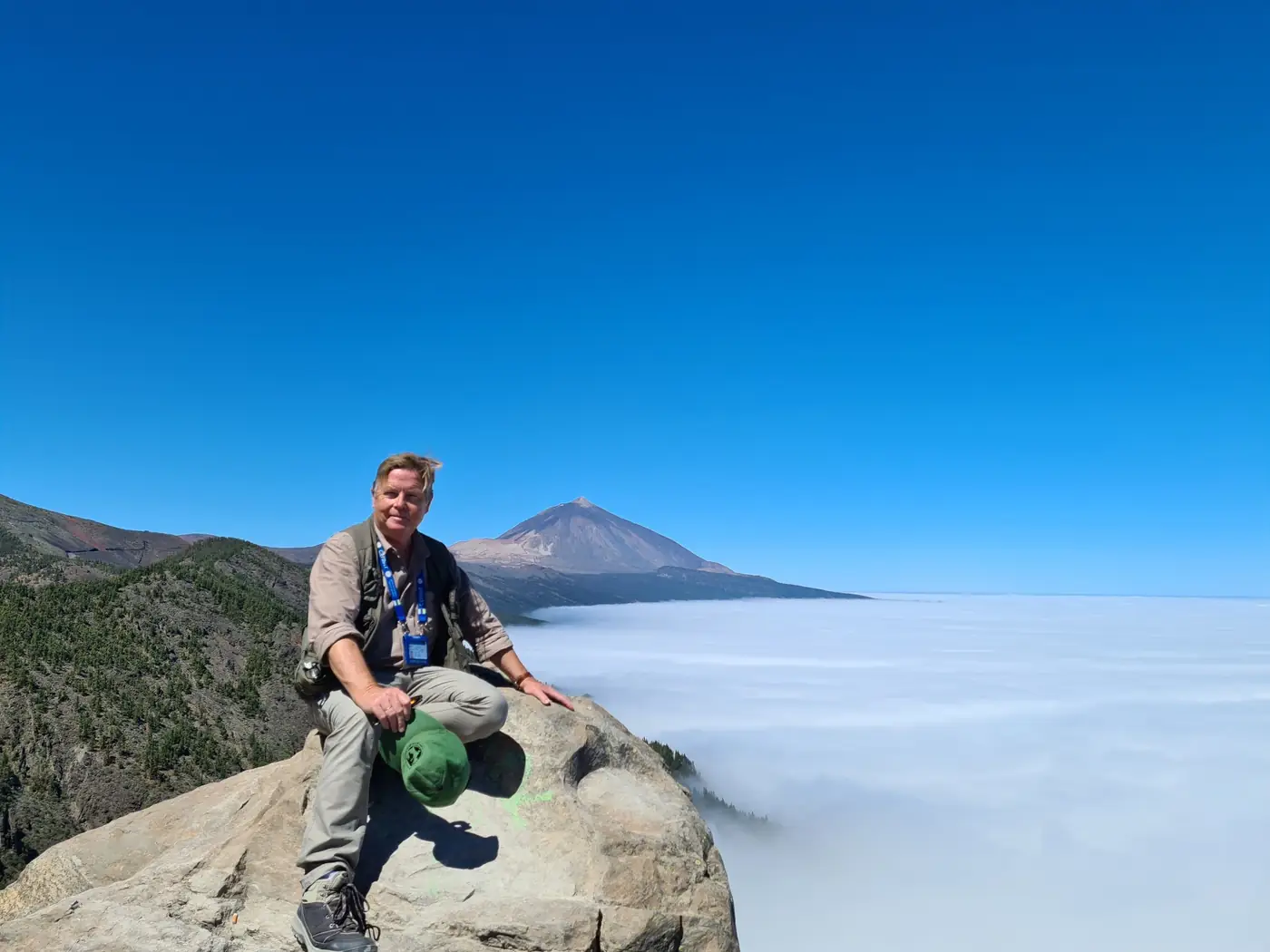
You can experience the transition in a single drive: leave a bright southern coast, climb through pine forest into the high volcanic landscape, then descend towards a northern valley under a soft ceiling of cloud. Few islands reveal their geography quite so clearly.
3. Walk into the green world of Anaga
At Tenerife’s north-eastern tip, Anaga Rural Park offers a different kind of drama. Its steep ridges and ravines contain laurel forest descended from the vegetation that covered parts of southern Europe millions of years ago.
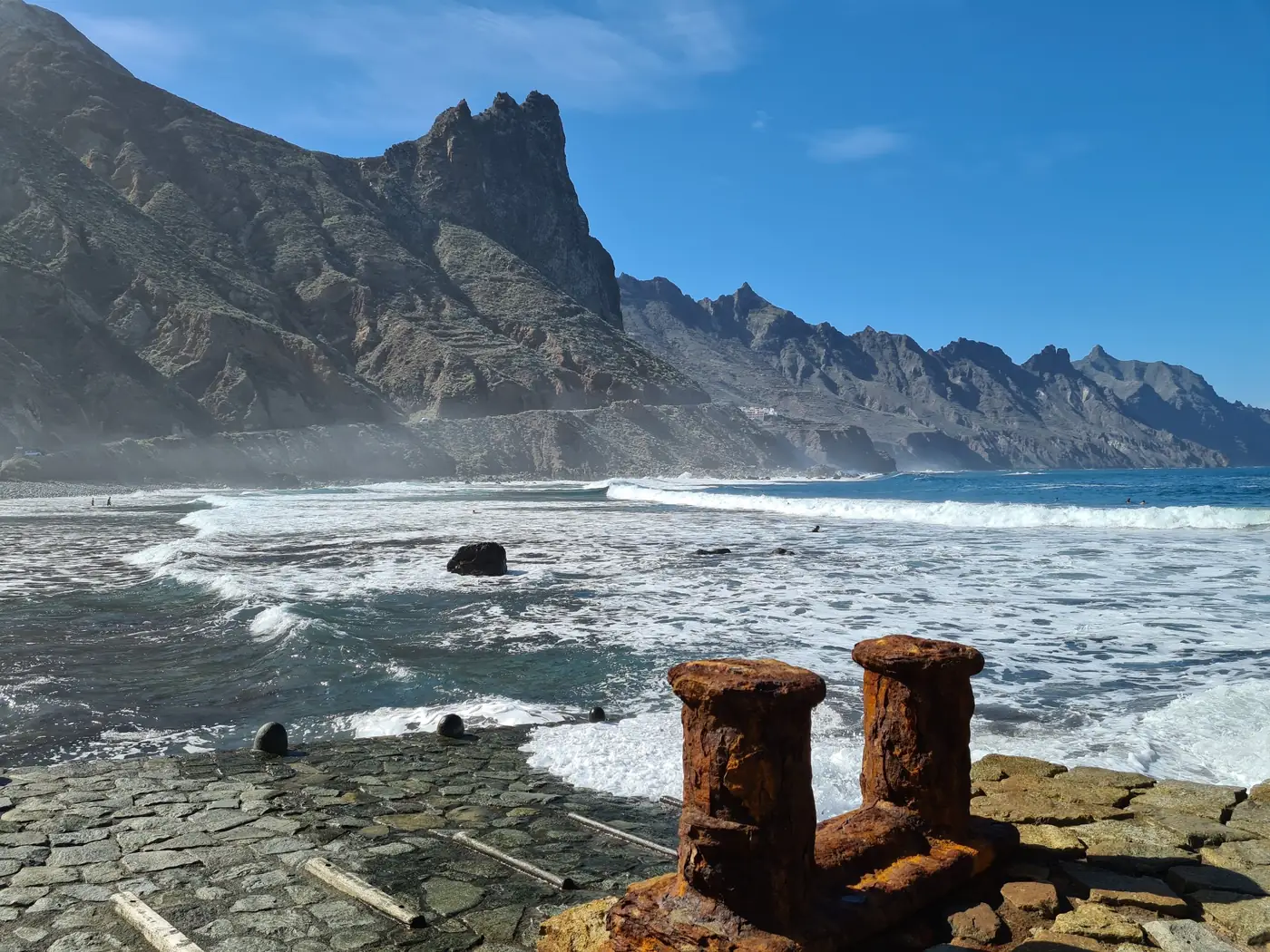
Cruz del Carmen is a useful introduction, with viewpoints and short paths into the forest. Deeper in the mountains, settlements such as Taganana, Afur, Chinamada and Las Carboneras offer glimpses of rural Tenerife.
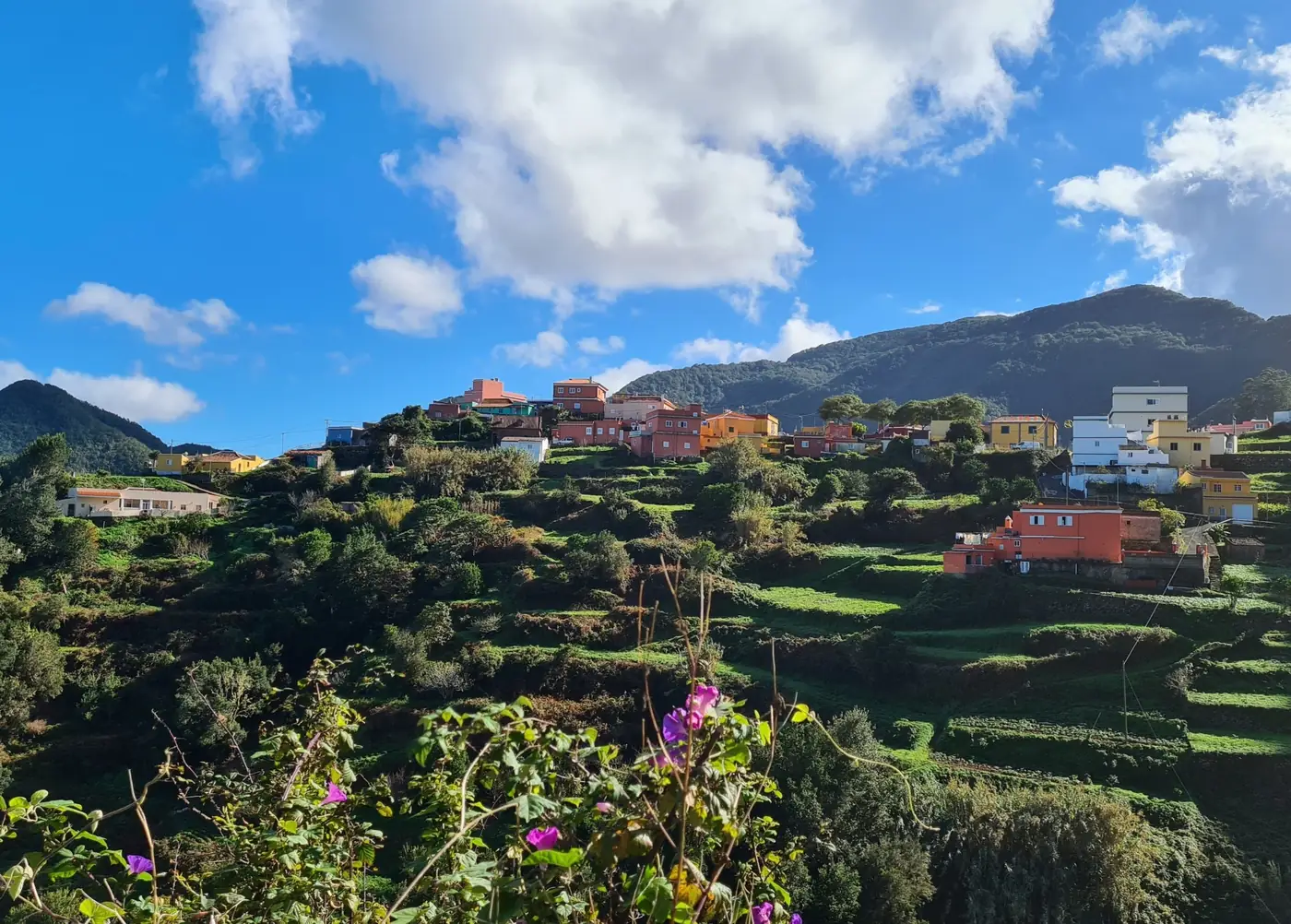
These are living communities rather than scenic exhibits. Drive carefully, avoid blocking narrow roads, take rubbish away with you and remember that parking is limited. Mist and cooler air are common even when Santa Cruz is sunny, so carry an extra layer.
4. Give Santa Cruz more than a glance from the ship
Santa Cruz de Tenerife is often treated as an arrival point, particularly by cruise passengers, but the capital rewards a day on foot. Its waterfront places the seventeenth-century Castillo de San Juan Bautista beside Santiago Calatrava’s sweeping Auditorio de Tenerife. Markets, shaded squares and museums make a strong alternative to another beach day.
The city also carries the memory of the failed British attack of July 1797. Rear-Admiral Horatio Nelson lost his right arm during the assault, and the British force ultimately negotiated its withdrawal. Tenerife remained Spanish; Nelson acquired one of the most painful chapters in his career.
5. Discover the historic north
La Orotava rises above the north coast in a landscape of tiled roofs, gardens and grand houses. Its historic centre is one of the island’s most rewarding places to wander. The surrounding Orotava Valley was central to Tenerife’s agricultural and commercial history: sugar cane, wine, cochineal, bananas and tomatoes each shaped the island at different moments.
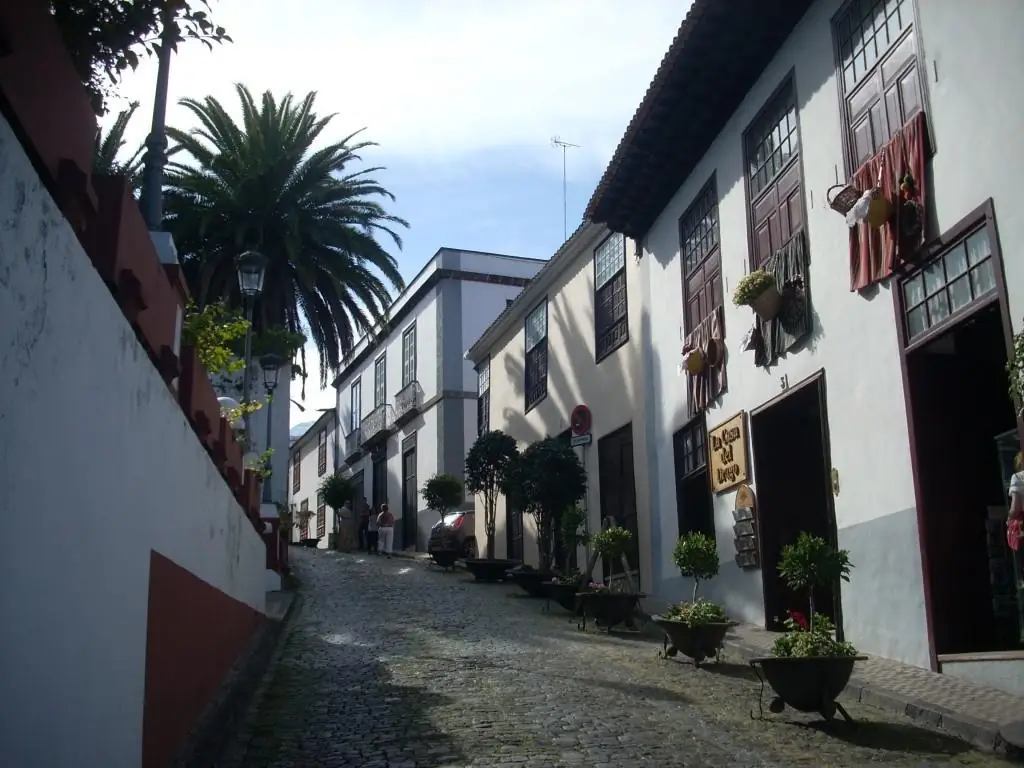
Nearby Puerto de la Cruz developed into an early centre of international tourism. Long before the package holiday, travellers came for the climate, scenery and botanical curiosities of the north.
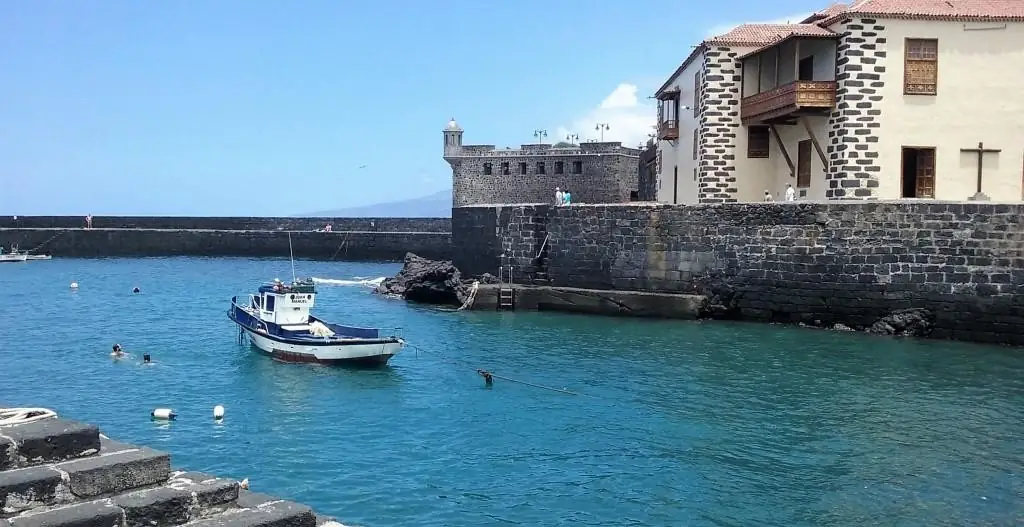
6. Read the lava in Garachico
Garachico was once Tenerife’s principal port. That changed dramatically when the Trevejo eruption of 1706 sent lava through the town and into its harbour. Today, solidified flows are part of Garachico’s appeal, while convents, churches and quiet squares speak to the prosperity that preceded the eruption.
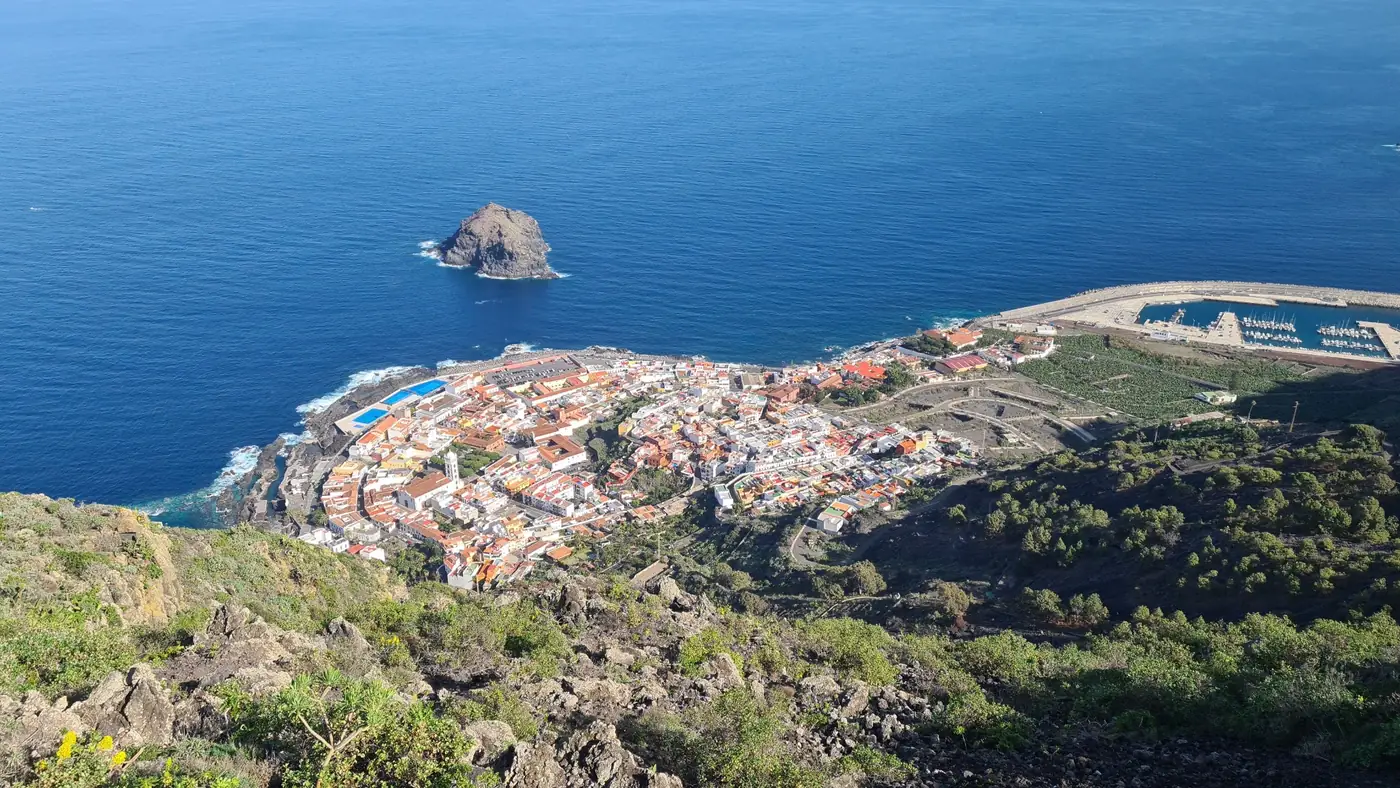
Garachico is not a disaster frozen in time. It is a lesson in adaptation: a town that survived the loss of its economic purpose and found a new identity without erasing the old one.
7. Eat in a guachinche
A guachinche is not simply a rustic restaurant. Traditionally, it is connected to a local wine producer selling the year’s wine alongside a short list of home-style dishes. Expect food built for appetite rather than ceremony: grilled meats, chickpea dishes, rabbit, goat, local cheese, potatoes and mojo.
The word has inspired a famously entertaining English-language origin story involving wine merchants saying ‘I’m watching you’. Treat that as local folklore rather than settled linguistics. The experience itself requires no embellishment: simple cooking and local wine in Tenerife’s agricultural north are reason enough to go.
8. Taste the dishes that belong to the island
Canarian cooking has absorbed Spanish, Atlantic, Latin American and North African influences while retaining a strong identity of its own. Look for papas arrugadas, usually served with red or green mojo. Try grilled goat’s cheese, rabbit in salmorejo, ropa vieja, rancho canario and gofio—the toasted grain flour whose roots reach back to Tenerife’s Indigenous Guanche inhabitants.
9. Discover Tenerife’s volcanic wine
Wine is not a fashionable new arrival on Tenerife. The Canary Islands exported celebrated wines to northern Europe centuries ago, and ‘Canary’ or ‘Canary sack’ appears in Shakespeare’s plays.
Tenerife now has five protected denominations of origin: Tacoronte-Acentejo, Valle de La Orotava, Ycoden-Daute-Isora, Valle de Güímar and Abona. The island’s altitude, volcanic soils and many microclimates produce strikingly varied wines. Northern wine country pairs naturally with a guachinche lunch; for a structured introduction, visit a winery or the Casa del Vino in El Sauzal.
A practical way to divide your time
If you are staying for a week, keep the resort days you came for—but reserve at least three days for the island itself:
- Teide and the highlands: devote a full day to the national park and its viewpoints.
- Anaga and Santa Cruz: combine a carefully chosen mountain walk or scenic drive with time in the capital.
- The historic north-west: visit La Orotava, Garachico and part of the wine country without trying to cover every stop.
Cruise visitors should be more conservative. Santa Cruz sits in the north-east, and Tenerife’s traffic can make ambitious cross-island itineraries risky. Teide is possible with sound planning, but Anaga, La Laguna and Santa Cruz itself offer rewarding alternatives closer to the ship. Masca, in the far west, is a poor choice for anyone with a tight all-aboard time.
Read before—or after—you go
Writer John Reid spent years interpreting Tenerife for visitors and now concentrates on bringing the islands to life on the page under the name John Reid Young. His collections The Skipping Verger and Other Tales and A Shark in the Bath and Other Stories move through the Canaries’ history via visitors, islanders, eccentrics and unexpected incidents.
You can also read his historical essays at Travel Stories in Tenerife and the Canary Islands, then hear his conversation with Daniel Edward in the accompanying Destination Unlocked episode.
Tenerife does not need rescuing from its reputation as a beach destination. The sunshine is real, and very welcome. The pleasure lies in discovering that it is only the first layer.