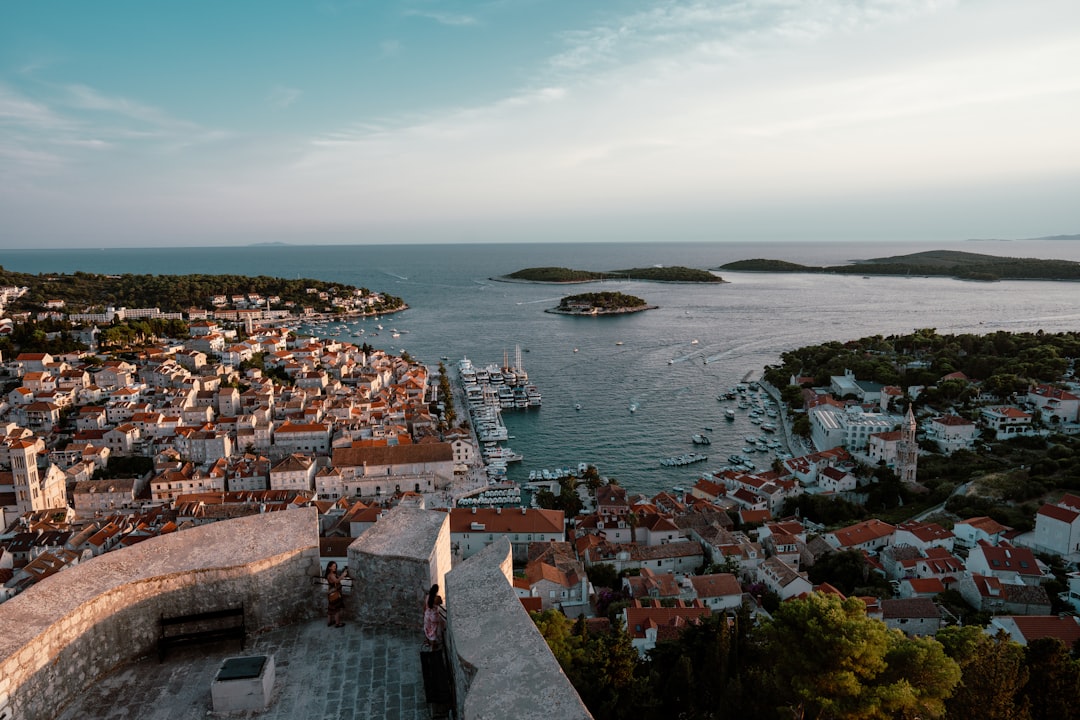
There is no single best Croatian island. Hvar suits travellers who want history and nightlife, Brač is excellent for an easy first island, Vis feels more remote, Korčula balances culture and wine, and Mljet is the choice for nature.
The useful question is not “Which Croatian island is best?” but “Which island works for this particular holiday?” Ferry access, the need for a car and the amount of time available matter just as much as the beach photographs.
Best Croatian islands at a glance
| Island | Best for | Know before you go |
|---|---|---|
| Hvar | History, restaurants and nightlife | Hvar Town is only one part of a large island |
| Brač | Easy access and varied beaches | Supetar and Bol are on different sides of the island |
| Vis | A more remote island stay | Give it several nights to justify the journey |
| Korčula | Old towns, wine and balance | The island is longer than it looks |
| Mljet | National park and nature | Transport is limited outside the main season |
| Krk | Flexibility with a car | A bridge connects it to the mainland |
| Cres | Wild landscapes and small towns | A car makes exploration easier |
| Lošinj | Walking, wellness and family trips | Often combined naturally with Cres |
Hvar: best for history with a social side
Hvar’s reputation for glamorous nightlife is accurate but incomplete. Hvar Town has a Renaissance square, a handsome arsenal and a fortress above the harbour. Stari Grad brings Greek and Roman history, while Jelsa and the interior offer vineyards, villages and a calmer rhythm.
Choose Hvar if your group wants different things from the same island. One person can book a beach club, another can explore historic streets, and everyone can meet for dinner. Avoid assuming that every ferry arrives in Hvar Town. Vehicle services frequently use Stari Grad.
Brač: best for an easy first island
Brač is close to Split, with frequent connections to Supetar and services to other ports. Bol and the famous Zlatni Rat beach are on the southern coast, so arriving on the island is not the same as arriving at the beach.
The island works well for families and travellers who want straightforward logistics. It also rewards curiosity beyond Zlatni Rat, including stone villages, walking routes and the quieter coast around Pučišća, Milna and Postira.
Vis: best for a sense of distance
Vis was closed to foreign visitors during much of the Yugoslav period because of its military role. That history, combined with its position farther offshore, helped it retain a distinct atmosphere. Vis Town and Komiža provide two appealing bases, and the island’s coves, wine and wartime sites reward a stay of at least three nights.
Choose Vis because you want Vis, not because it can be squeezed between Hvar and Korčula. The much-promoted Blue Cave on nearby Biševo is weather-dependent and can be crowded. Mary Novakovich nominates it as the attraction she would skip in the Destination Unlocked podcast.
Korčula: best all-rounder
Korčula combines a beautiful walled town, beaches, vineyards and a strong local identity. Korčula Town is the obvious base without a car. Lumbarda is attractive for wine and a quieter stay, while Vela Luka opens the island’s western side.
For couples and first-time visitors who want culture without Hvar Town’s party scene, Korčula may be the strongest all-round choice. Allow time for local Grk and Pošip wines rather than treating the island only as a one-night stop.
Mljet: best for nature
Mljet’s great draw is its national park, with saltwater lakes, woodland and walking and cycling routes. It is a place to slow down. One day gives you an introduction, but two or three nights allow the evening calm to emerge after excursion boats leave.
Mljet suits swimmers, walkers and travellers prepared for a smaller choice of restaurants and services. Check seasonal transport carefully and choose accommodation with the national park access you want.
Krk, Cres and Lošinj: best for a northern route
Krk is the easiest of the Kvarner islands to reach by road because it is linked to the mainland by bridge. Cres is wilder, longer and well suited to a road trip. Lošinj has an established tradition of health tourism, attractive walking paths and the colourful harbour town of Mali Lošinj.
These islands make sense for travellers arriving through Zagreb, Rijeka, Pula or northern Italy, and for anyone who has already explored central Dalmatia. They also reveal why “the Croatian islands” should never be treated as one interchangeable collection.
How to make the final choice
- For a first trip without a car, choose Hvar Town, Bol, Vis Town or Korčula Town.
- For nightlife, choose Hvar Town.
- For nature and walking, choose Mljet, Cres or Lošinj.
- For wine and food, choose Korčula, Hvar or Krk.
- For a family trip with simple logistics, consider Brač or Krk.
- For a slower second visit, look north to Cres and Lošinj.
Listen to a Croatia expert
Mary Novakovich discusses Krk, Cres, Lošinj, Rab, Hvar, Vis, Korčula and Mljet in the Coastal Croatia episode of Destination Unlocked. Her advice comes from decades of travel and family ties to the country. Continue planning with our Croatia destination hub.
Frequently asked questions
Which Croatian island is best for a first visit?
Brač is easiest for simple connections, while Hvar and Korčula provide the richest combination of towns, food and beaches.
Which Croatian island is least crowded?
No island is empty in high summer. Vis, Mljet, Cres and Lošinj can feel calmer than Hvar Town or Bol, particularly if you stay several nights and explore beyond the main ports.
Do you need a car on Croatian islands?
Not for a town-based stay, but a car is valuable on larger islands when you want rural beaches, villages and wineries. Confirm that your ferry carries vehicles before booking.