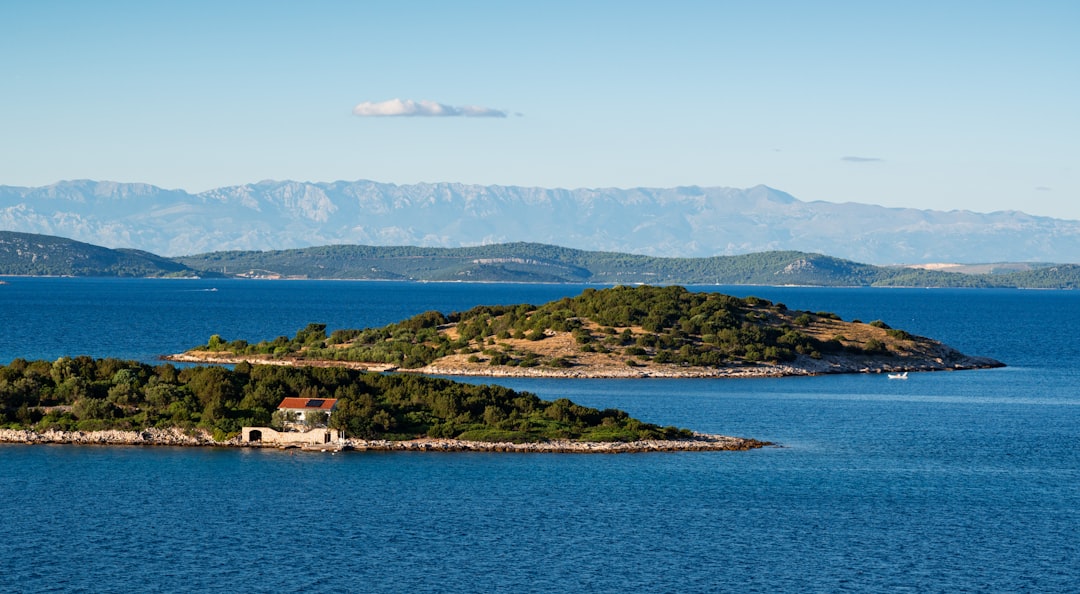
Croatia is not one holiday but several, joined by a famously intricate coastline. Roman cities, Venetian ports, pine-covered islands and mountain-backed bays all sit within reach, but the best trip depends on choosing one region and giving it enough time.
Start with
- Split and Diocletian’s Palace
- One or two islands that suit your interests
- Šibenik or Zadar for central Dalmatia
- Dubrovnik and the Elafiti Islands
- Istria or the Kvarner Gulf for a second trip
Plan carefully
- Build the route around real ferry connections
- Decide early whether you genuinely need a car
- Book popular sailings and accommodation ahead
- Pack water shoes for Croatia’s pebble and rock beaches
- Check current opening times and transport before travelling
Unlock Croatia one region at a time
The most common mistake when planning Croatia is treating the Adriatic coast as a single, continuous resort. It is more useful to think in regions. Istria combines hill towns, Roman Pula and a food culture shaped by truffles, olive oil and wine. The Kvarner Gulf brings islands including Krk, Cres, Lošinj and Rab. Northern and central Dalmatia revolve around Zadar, Šibenik and the Kornati archipelago. Split is the great ferry hub for Brač, Hvar, Vis, Šolta and routes farther south, while Dubrovnik opens the door to the Elafiti Islands, Mljet and the southern coast.
A first visit does not need to cover all of them. In seven days, Split plus two islands is far more satisfying than a breathless journey from Zagreb to Dubrovnik with three ferry crossings squeezed into the middle. With ten to fourteen days, you can add Šibenik, Zadar or Dubrovnik without turning every morning into a departure lounge.
Listen to the Coastal Croatia episode
In the Destination Unlocked podcast, award-winning travel writer Mary Novakovich joins Daniel Edward to explain how Croatia’s coast and islands fit together. Drawing on decades of travel and her own family ties to the country, Mary shares practical ferry advice, the islands she would linger on, the food worth ordering and the famous attraction she would happily skip.
Choose your Croatian coast
Split and the central Dalmatian islands
For a first island-hopping trip, Split is the most flexible base. Diocletian’s Palace gives the city enough substance for two nights, while ferries connect it with Brač, Hvar, Šolta, Vis and other islands. Hvar offers historic towns, vineyards, nightlife and quieter settlements beyond Hvar Town. Brač is an easier choice for beaches and straightforward connections. Vis feels more remote and rewards travellers prepared to stay several nights.
Zadar, Šibenik and the Kornati
Zadar and Šibenik are strong alternatives for travellers who want historic cities without building the whole holiday around Split and Dubrovnik. Zadar combines Roman remains, medieval churches and its waterfront Sea Organ. Šibenik has a compact old town, St James’ Cathedral and access to small islands including Zlarin and Prvić. The Kornati archipelago is best experienced by boat, usually on an organised day trip or sailing itinerary.
Dubrovnik, Mljet and the Elafiti Islands
Dubrovnik deserves its reputation, but the Old Town is best early in the morning or later in the afternoon. Stay long enough to see more than the walls: swim, explore Gruž, take a boat to the Elafiti Islands or continue to forested Mljet. A southern route can work well as the end of a longer journey, but check the actual ferry timetable before assuming every island connects directly with Dubrovnik.
Istria and the Kvarner Gulf
Istria suits travellers who value food, wine and road trips as much as beaches. Rovinj, Pula and hill towns such as Motovun can be combined by car. The nearby Kvarner islands offer another version of Croatia, with Krk connected to the mainland by bridge and Cres, Lošinj and Rab bringing distinctive landscapes and towns. This region is particularly rewarding for a second visit, or for anyone who wants to step outside the classic Split-to-Dubrovnik route.
How to island-hop without coming unstuck
Passenger catamarans are quick and convenient, but they do not take cars. Car ferries offer more freedom once ashore, yet their routes and reservation rules differ. Some journeys that look logical on a map still require a return to Split or another mainland hub. Start with the official operators, build a simple sequence, and only then book accommodation.
Our practical guides will help you put that advice into action:
- A workable Croatia island-hopping itinerary
- The best Croatian island for your kind of holiday
- Croatia ferries: whether to travel with a car
- What to eat on Croatia’s coast and islands
When to visit Croatia
July and August offer the warmest sea, the fullest transport schedule and the busiest resorts. June and September usually provide a better balance for independent travellers: warm weather, fewer crowds and enough services to keep an island route practical. May and October can be excellent for cities and road trips, but some seasonal restaurants, excursions and ferry routes operate less frequently.
Mary’s own quick-fire recommendation in the podcast is September. It is an appealing answer for good reason, although popular accommodation and ferries can still sell out.
What to eat
Croatian coastal cooking changes as you travel. Istria is associated with truffles, fuži pasta, Malvazija wine and excellent olive oil. Kvarner is known for delicate scampi. Dalmatia brings grilled fish, black risotto, octopus or veal cooked under a peka, and blitva, the familiar combination of Swiss chard and potatoes. Dubrovnik has its own dishes, including šporki makaruli, a rich meat sauce served with pasta.
Look for a konoba with a short menu, ask what fish is local and order peka in advance when required. Croatia’s food is most persuasive when it is treated as regional cooking rather than a checklist of national dishes.
Book your Croatia journey
Compare the entire route before committing to individual hotels. Cancellation terms matter when a ferry change would affect more than one island.
