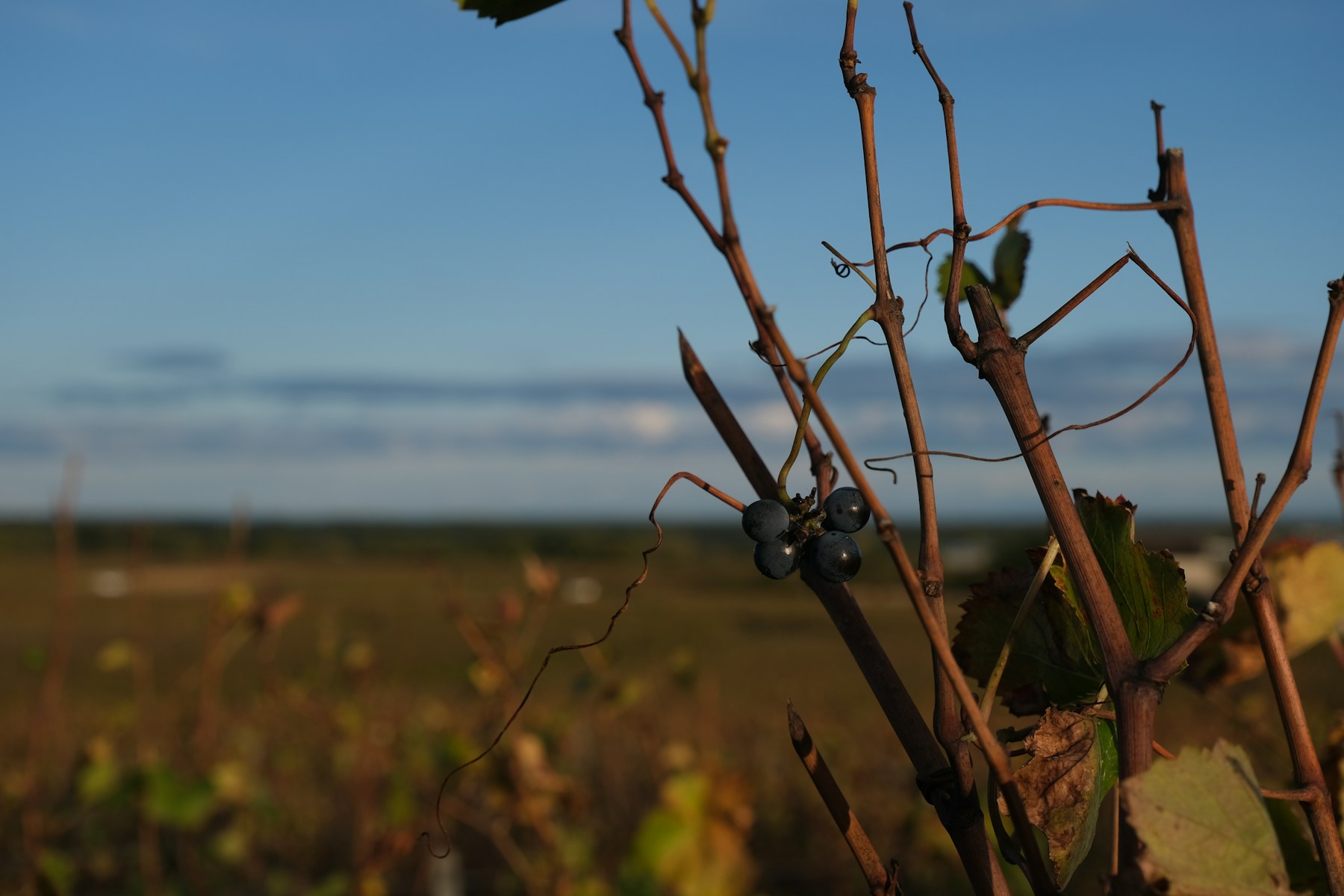
Burgundy makes sense from the water because the canal slows the region down to the scale of its villages, vineyard walls and long meals.
A hotel barge may move between the Saône and the Canal de Bourgogne, using the river to connect important towns and the canal to enter a more intimate landscape. For Rosie Mansfield, Chief Executive of French Waterways, that contrast defined her first cruise aboard Grand Victoria.
Begin at Beaune
The Hôtel-Dieu at the Hospices de Beaune is one of Burgundy’s most recognisable buildings, with patterned glazed roof tiles surrounding a historic hospital courtyard. Nicolas Rolin, Chancellor to the Duke of Burgundy, and his wife Guigone de Salins founded the hospital in 1443 to care for the poor.
The institution’s connection with wine continues through the Hospices de Beaune wine estate and its famous annual charity auction. The story brings together the two forces that still shape the town for visitors: an extraordinary architectural legacy and the economics of Burgundy wine.
Stand beneath the presses at Clos de Vougeot
Château du Clos de Vougeot preserves the agricultural buildings created by Cistercian monks. Its cuverie contains four enormous wooden wine presses, while the cellar and lay brothers’ dormitory reveal the scale of medieval wine production.
A clos is a walled vineyard, and the walls matter. Burgundy’s wine culture is built around precisely defined parcels, known locally as climats, each carrying its own history, soil and reputation.
Romanée-Conti without the velvet rope
Near Vosne-Romanée, a modest stone sign identifies one of the most celebrated vineyard parcels in the world. Romanée-Conti produces a tiny quantity of wine and has achieved astonishing auction prices, yet the vineyard itself sits in the working landscape without theatrical barriers.
The pleasure of visiting is not the expectation of drinking it. It is seeing how a global luxury can emerge from a small, carefully tended plot and a name painted on stone.
Dijon beyond mustard
Dijon offers a denser urban counterpoint to the canal. The historic centre reflects the wealth and ambition of the Dukes of Burgundy, while covered markets, food shops and wine bars provide a useful introduction to the wider region.
A barge excursion can concentrate on the centre without requiring guests to move hotels or negotiate parking. The guide returns everyone to the mooring in time for the next meal.
The canal is not dead time
It is tempting to treat time aboard as the gap between attractions. On the Canal de Bourgogne, it may become the defining experience. The boat passes locks, trees and open fields slowly enough for birdsong to register. Guests can walk or cycle along the towpath and watch the barge catch up.
The result is participatory travel. You are not looking at Burgundy through glass. You are moving through the same practical network of water, paths and settlements that helped shape the region.
When to go
May and September are especially popular for comfortable temperatures and time outdoors. Summer brings hotter days, while the harvest period adds energy to the vineyards. Exact itineraries and opening arrangements vary, so choose the barge and date together rather than treating the vessel as interchangeable.
For the full story, listen to Rosie Mansfield in Luxury Barge Cruising in France.