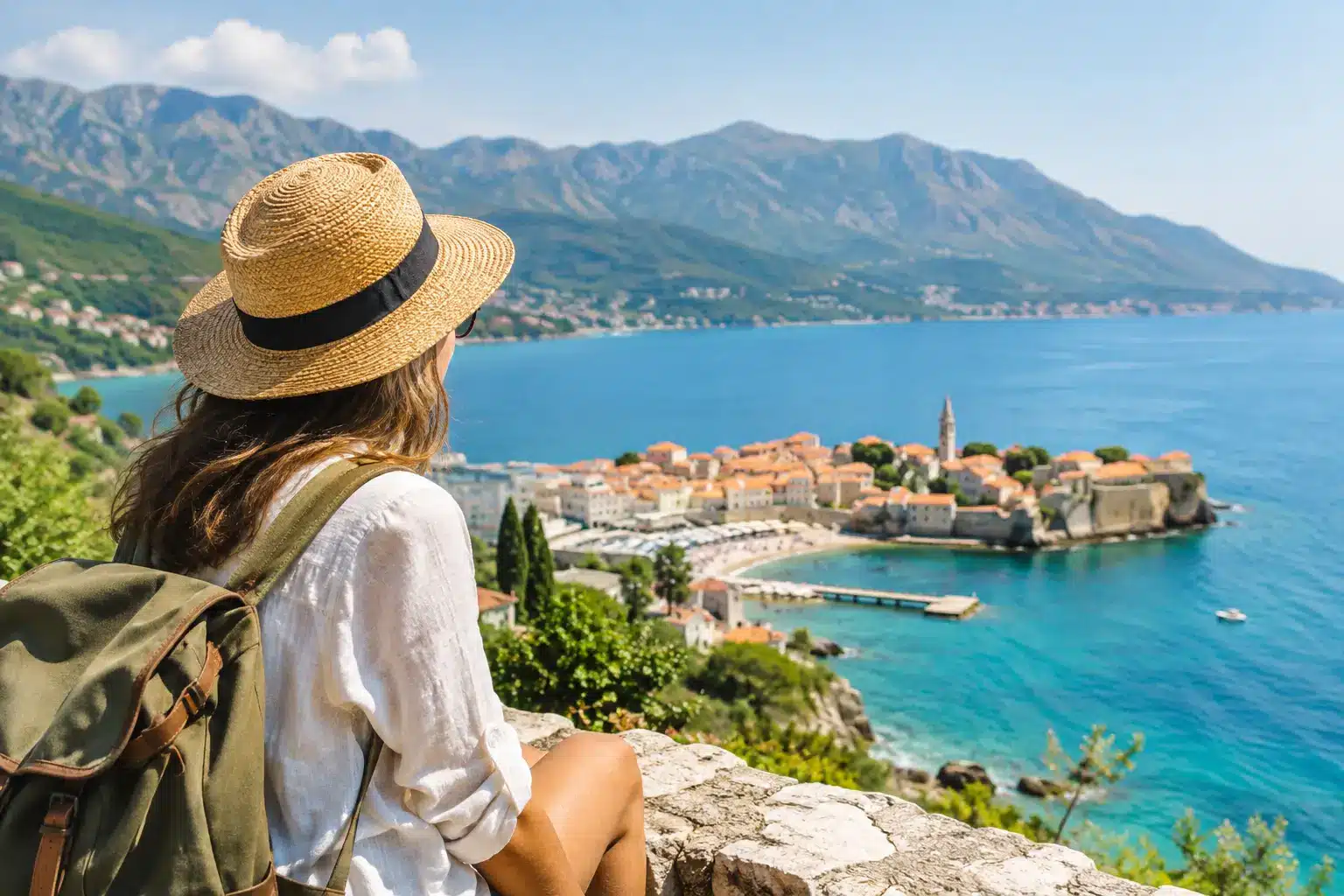
Albania has reached that appealing point in a traveller’s imagination where the beaches look Mediterranean, the mountains look properly dramatic, and the bill still feels pleasantly unlike Italy or Croatia. But is Albania affordable once flights, hotels, meals and the popular Riviera are factored in? For most UK visitors, yes – particularly if you choose your bases with a little care. The bigger question is what kind of Albania holiday you want.
A low-key city break in Tirana, a road trip through historic towns and mountain villages, or a week beside the Ionian Sea can all be good value. Yet the country is not uniformly cheap, and the most fashionable summer resorts no longer come with bargain-basement prices. Albania rewards travellers who treat it as a distinctive destination, rather than expecting a cut-price version of somewhere else.
Is Albania affordable for a beach holiday?
Albania remains affordable by Mediterranean standards, but July and August bring a notable Riviera premium. Sarandë, Ksamil, Dhërmi and Himarë are beautiful, busy and increasingly well known among European holidaymakers. A simple room that looks excellent value in May can cost considerably more in high summer, while sea-view hotels and well-located guesthouses are often booked early.
For a couple, a comfortable mid-range hotel in Tirana or inland Albania can often be markedly cheaper than an equivalent stay on the coast. On the Riviera, value depends on timing and location. Sarandë has the widest choice of accommodation and plenty of restaurants, but it is more built-up. Himarë feels more relaxed and is a strong base for beaches, though choice is more limited. Ksamil delivers the turquoise-water spectacle, but its compact size and summer popularity can make it one of the less economical places to stay.
If your dates are flexible, late May, June and September are the clever months. The sea is warm enough for most visitors, restaurants are open, and hotel rates are usually kinder. You also get a more generous version of the coast: fewer queues for tables, less competition for sunbeds and roads that feel less like a slow-moving car park.
The costs that shape an Albania trip
Accommodation is likely to be the largest variable. Budget guesthouses, family-run stays and small city hotels make Albania accessible for travellers watching their spending. At the other end, stylish boutique hotels, private villas and newly polished beach properties can be priced much closer to mainstream Mediterranean destinations, especially in peak season. Bookable value is strongest when you look beyond the first row of beachfront properties and consider a short walk, rather than insisting on stepping straight from breakfast onto the sand.
Eating out is still one of Albania’s happiest value propositions. You can eat very well without turning every dinner into a financial event. Expect grilled fish and seafood to cost more along the coast, naturally, but local tavernas and family restaurants are often far gentler on the wallet than comparable places in Greece, southern Italy or Croatia. A meal built around fresh salad, grilled meat or fish, byrek, local cheese and a glass of wine has the sort of straightforward pleasure that expensive resort dining occasionally forgets.
Tirana has a more cosmopolitan dining scene, so prices vary more. The Blloku neighbourhood is lively and excellent for an evening out, though it is not where you go to find the city’s cheapest coffee. Elsewhere, bakeries, casual grills and traditional restaurants keep day-to-day costs low. Albanian lek is the official currency, although euros may be accepted in some tourist-facing businesses. Paying in lek is generally the clearer option, and having cash is useful for smaller purchases and rural areas.
Transport requires more planning than it does money. Buses and furgons – informal minibuses – are inexpensive, but they can be less predictable than travellers used to UK rail timetables might like. For a route involving Tirana, Berat, Gjirokastër and the coast, a hire car gives you freedom and can be good value when shared between two or more people. It also makes detours to villages, viewpoints and quieter beaches possible.
That freedom has a trade-off. Roads have improved, but mountain routes are not always quick, driving standards can feel assertive, and distances on a map can be deceptive. If you would rather not drive, build in extra time, choose fewer stops and use a mix of buses, taxis and organised day trips. Albania is affordable partly because it is not engineered around frictionless mass tourism. A little patience is part of the fare.
Where your money goes furthest
Tirana is an easy first stop, particularly for a long weekend or the beginning and end of a longer itinerary. It has a broad range of hotels, an energetic café culture and enough museums, markets and neighbourhoods to fill two or three days. It is not the country’s cheapest location, but it is usually good value for a capital city and convenient for arrivals at Tirana International Airport.
For character and excellent value, look towards Berat and Gjirokastër. Both are historic hillside towns where Ottoman-era architecture, old stone streets and an unhurried rhythm create far more atmosphere than their accommodation prices might suggest. Berat is particularly simple to add from Tirana, while Gjirokastër works beautifully before or after time on the southern coast. Staying overnight, rather than rushing through on a day trip, is the right kind of splurge: evenings are quieter, the light softens over the rooftops, and you have time for dinner without watching the clock.
The Albanian Alps are another strong-value choice for travellers who would rather spend on memorable experiences than beach clubs. Theth and Valbonë offer serious scenery, village guesthouses and hiking routes that feel wonderfully remote. Costs can rise with transfers, guides and limited accommodation, so this is not necessarily a shoestring trip. Still, compared with a comparable Alpine escape in western Europe, it can be remarkably attainable.
How to plan a better-value Albania holiday
The simplest saving is to avoid trying to cover the entire country in one week. Albania looks manageable on the map, but it contains winding roads, mountain passes and plenty of places worth lingering. A rushed itinerary can create unnecessary hire-car days, taxi costs and one-night hotel bookings, which are rarely the best deal.
Choose one clear shape for your holiday. Tirana plus Berat and Gjirokastër suits travellers interested in food, history and city life. The Riviera works best with two coastal bases rather than a new hotel every night. For a first visit, combining Tirana with a historic town and a few nights by the sea gives a satisfying sense of range without turning the holiday into a logistical exercise.
Book coastal accommodation early for July and August, especially if parking, air conditioning, a pool or a sea view matter to you. Those details are not frivolous in high summer. In return, you can be more spontaneous with restaurant choices and smaller excursions once you arrive. Boat trips, beach days and archaeological visits are often reasonably priced, but quality varies, so it is worth reading the practical details before committing.
Do not overlook experiences that cost little. An evening stroll through Berat’s old quarters, a coffee beneath Tirana’s plane trees, a swim at a less famous cove near Himarë, or a slow lunch in a mountain village can become the moments you remember most. Albania’s value is not only numerical. It lies in how much texture a modest daily budget can buy.
Is Albania cheap compared with Greece and Croatia?
Usually, yes. Albania is generally cheaper than Greece and Croatia for meals, local transport and modest accommodation, while offering similarly compelling coastlines and an increasingly polished choice of places to stay. The gap narrows at sought-after Riviera hotels in August, and flights can sometimes be the deciding cost depending on your departure airport and booking date.
Greece may be easier for island-hopping and familiar resort infrastructure. Croatia has an established visitor economy and famously beautiful towns, but it can be expensive in summer. Albania is the better fit if you want a trip with a little more discovery in it: a country where a beach afternoon can be followed by a castle, a mountain drive or a meal that feels pleasingly local rather than designed for a tourist strip.
For more grounded trip-planning inspiration, the Destination Unlocked podcast is as useful as a guidebook and as personal as a chat with your most well-travelled friend. Each 40-minute episode brings together the details that turn a promising destination into a great trip.
Albania is affordable when you travel with its rhythms: arrive outside the peak if you can, stay long enough to settle into each place, and reserve the big spending for the view, the meal or the hotel that will genuinely improve your holiday.