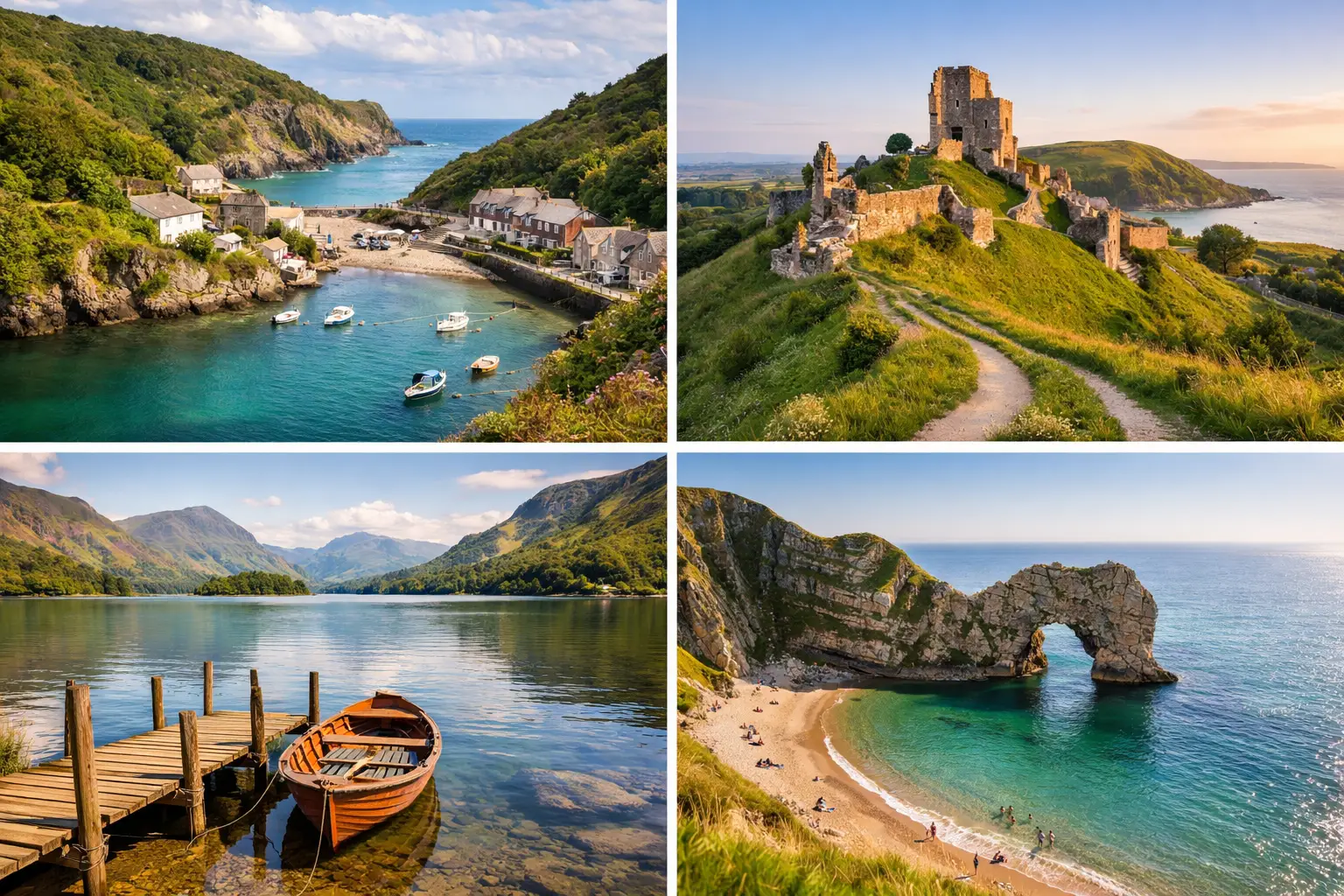
Some places announce themselves loudly. Others only really land once you are there – walking the harbour at low tide, finding a bakery with a queue of locals, or realising the view in front of you somehow never made it onto your social feed. That is the appeal of UK hidden gem destinations. They are not secret, exactly. They are simply underplayed, and often better for it.
The challenge is that “hidden gem” has become a catch-all phrase for anywhere mildly pretty and not yet overwhelmed. For travellers who want more than a recycled weekend guide, the better question is this: which places still feel distinctive when you arrive? The best answers tend to be destinations with a clear sense of place, enough substance for a proper stay, and a local rhythm that has not been flattened by overexposure.
What makes UK hidden gem destinations worth seeking out?
A worthwhile under-the-radar destination is rarely about total obscurity. In practice, it is about balance. You want enough interest to justify the journey, but not so much attention that every good pub, coastal path or independent shop feels staged for visitors.
That usually means places with one or two strong draws – landscape, architecture, food, history – rather than a long checklist of headline attractions. It also means destinations that reward curiosity. The kind where one good conversation changes your whole understanding of the place. That is often where the best trips begin.
1. Berwick-upon-Tweed, Northumberland
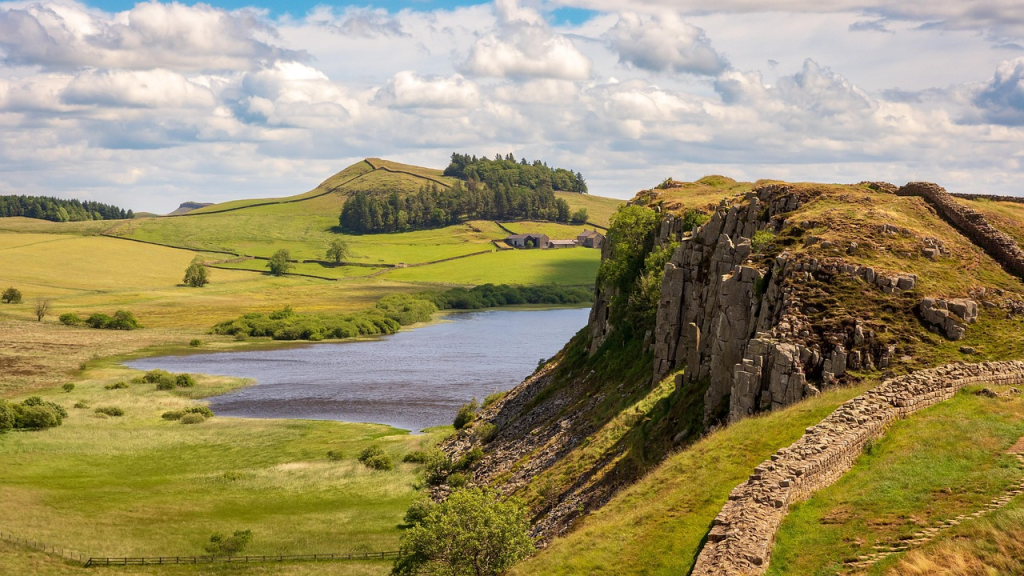
Berwick sits right on the English-Scottish border and somehow still slips beneath the radar. It has the visual confidence of a much better-known town – Elizabethan walls, layered history, broad estuary views – but none of the sense that it is performing for a crowd.
Part of its charm is its in-between quality. It does not fit neatly into the usual Northumberland itinerary, nor is it sold as a classic Scottish break, even though Edinburgh is close by rail. That leaves space for a slower kind of visit. You can walk the ramparts, watch the light shift over the bridges, spend time in independent galleries and then head out to the coast.
It suits travellers who like atmosphere over box-ticking. If you want a place with obvious blockbuster attractions, Berwick may feel quiet. If you value character and a strong local identity, it is a very good kind of quiet.
2. Llandeilo, Carmarthenshire

There are Welsh market towns with postcard charm, and then there is Llandeilo, which pairs that visual appeal with a surprising amount of cultural confidence. The town itself is compact and handsome, with pastel-fronted shops and a high street that still feels properly inhabited rather than simply preserved.
What makes it stand out is the mix around it. You have the Brecon Beacons nearby, the dramatic gardens and grounds of Aberglasney and Dinefwr, and access to a landscape that feels rich rather than manicured. It works well for a weekend that wants variety without too much driving.
Llandeilo is not ideal if you are after urban energy late into the evening. It is better for travellers who enjoy independent food, good walking and that satisfying sense of finding somewhere self-assured but not overmarketed.
3. Pittenweem, East Neuk of Fife
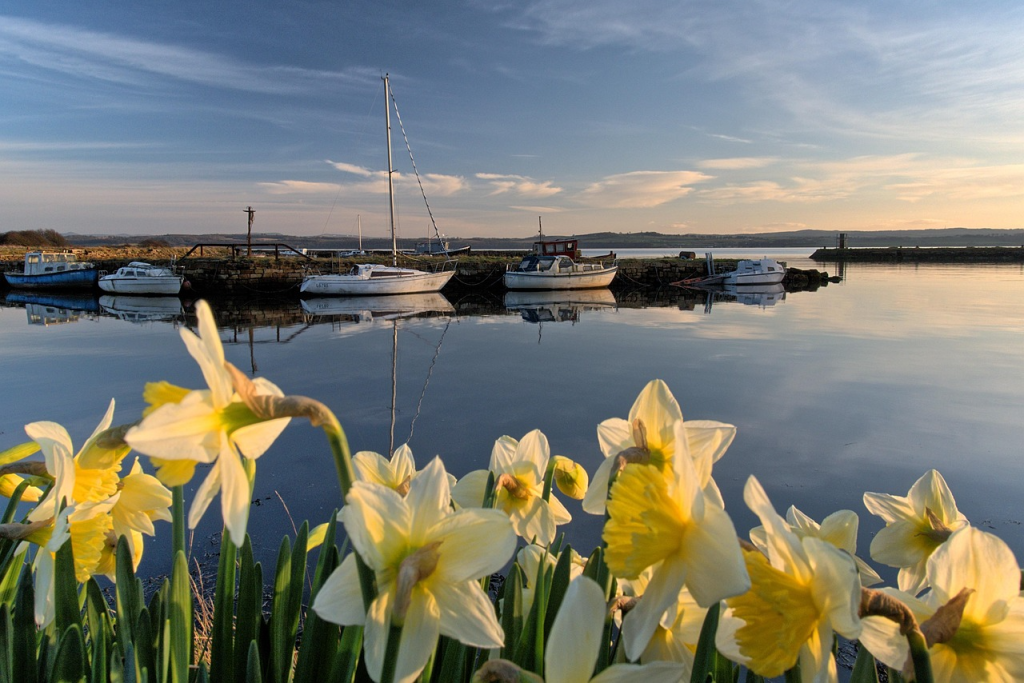
St Andrews gets the headlines. The East Neuk, for many travellers, is the better story. Among its fishing villages, Pittenweem has a particularly strong pull: a working harbour, low-slung cottages, sea air, and enough everyday life to stop it feeling preserved in amber.
This is not a destination of grand gestures. The pleasure is in the details – creel pots stacked by the quay, artists’ studios tucked into old buildings, fish suppers eaten while looking out to sea. It is excellent for a slow coastal break, especially if you combine it with walks or short drives to Anstruther, Crail and Elie.
The trade-off is weather exposure. On a grey day the coast can feel bracing in every sense. But when that light comes through – bright water, pale stone, gulls cutting across the harbour – it is hard to imagine why more people are not talking about it.
4. Hebden Bridge, West Yorkshire
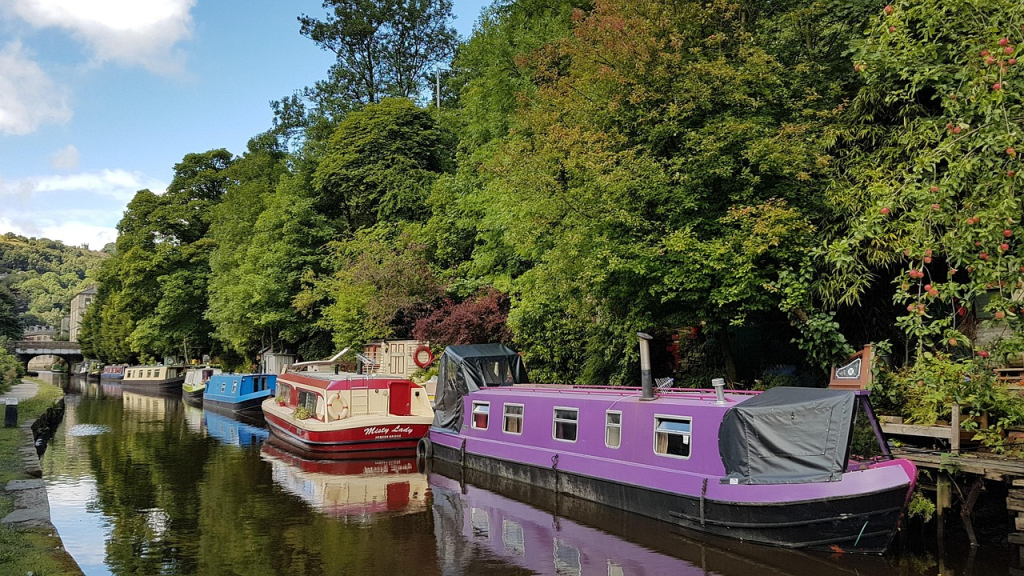
Hebden Bridge is not unknown, but it is often reduced to shorthand: creative, independent, alternative. All of that is true, but it misses the texture of the place. This is a town with a proper relationship to its surrounding landscape, where steep valleys, canal paths and old mill buildings give the setting unusual depth.
You can spend a weekend here in several different ways. One trip might be all walking and pubs. Another might lean into bookshops, live music and cafés. That flexibility is part of its strength. It suits couples, solo travellers and groups equally well, and it never feels as though there is only one correct way to experience it.
The only caveat is popularity at peak times. Hebden Bridge has a loyal following, so if your version of hidden means near-empty, choose your timing carefully. Midweek or shoulder season is where it really shines.
5. The Black Isle, Highlands

The Black Isle is one of those places that sounds remote and dramatic, yet remains oddly absent from many Highlands wish lists. It is not an island at all, but a peninsula of fertile farmland, coastal villages and big open views north of Inverness.
For travellers who like the Highlands but could do without some of the bottlenecks of more famous routes, this is a compelling alternative. You get sea cliffs, dolphin-spotting opportunities around Chanonry Point, quiet roads and villages such as Cromarty that carry serious historic charm.
It is a good example of why some UK hidden gem destinations are better approached with modest expectations. This is not a place of constant spectacle. It unfolds gradually. The reward is a trip that feels spacious and unforced, especially if you are happy moving at a slower pace.
6. Ludlow, Shropshire
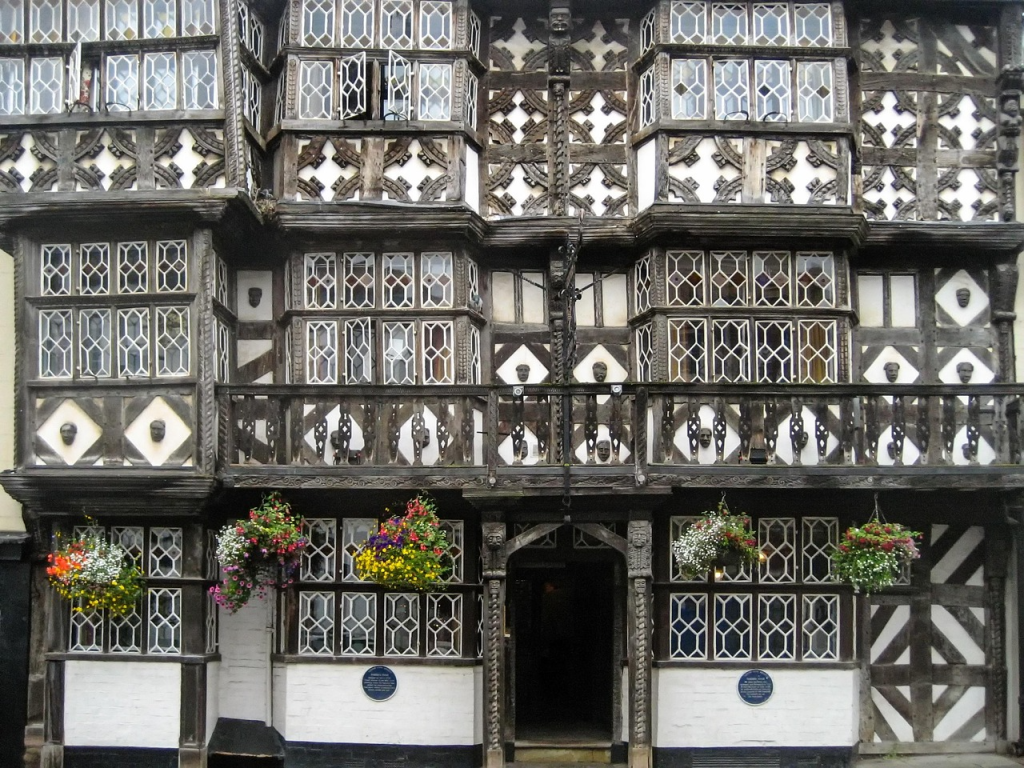
Ludlow has long been admired by people who care about food, but it still does not dominate broader travel conversations in the way it should. Architecturally, it has the goods: a striking castle, elegant streets and enough listed buildings to make even a short wander feel substantial.
But the town’s real pull is its scale. Ludlow feels manageable. You can arrive on a Friday evening, settle in quickly, and spend a weekend eating well, dipping into history and heading into the Shropshire Hills without logistical friction.
That combination makes it especially strong for short breaks. If your ideal trip involves a major museum programme or fast-moving nightlife, look elsewhere. If you want depth without sprawl, Ludlow makes a persuasive case for itself.
7. Deal, Kent
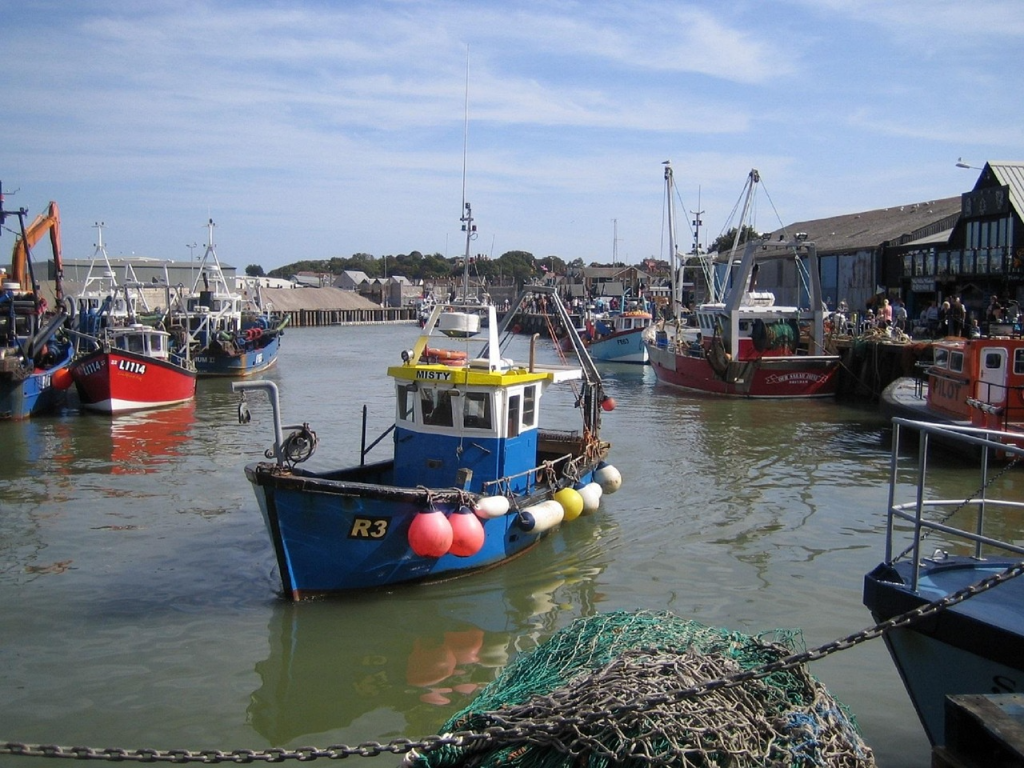
Kent has no shortage of coastal names, but Deal has a particular ease that sets it apart. It is stylish without trying too hard, historic without becoming stiff, and lively enough to sustain a weekend while still feeling like a real town.
The seafront is central to its appeal. This is not sandy-bucket-and-spade coast. It is a place for promenades, bracing swims for the committed, and long lunches that turn into early evening drinks. The old streets behind the beach add independent shops, good places to eat and a sense that the town has grown into its current popularity rather than being redesigned for it.
The obvious drawback is that others have started to notice. Deal is no longer a total under-the-radar find. Even so, compared with many better-known south-east seaside options, it still feels measured and full of personality.
8. Belfast’s quieter neighbourhoods
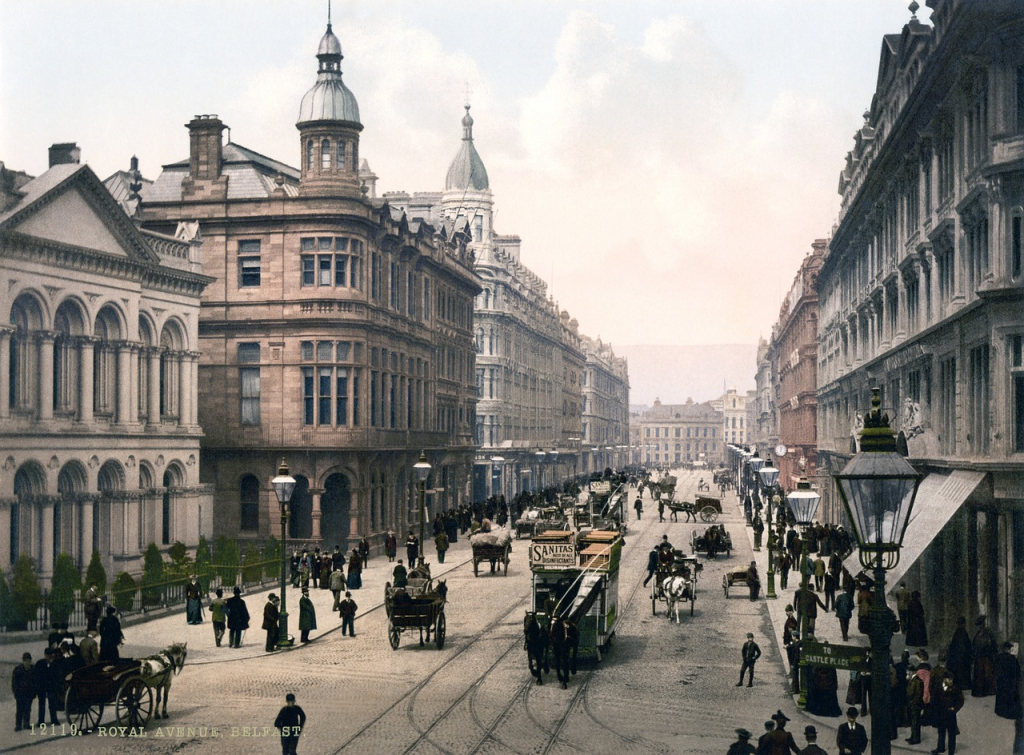
If city breaks are part of your travel mix, Belfast deserves a more curious approach than the standard political-history-and-pubs circuit. The centre matters, of course, but some of the city’s most interesting energy now sits in neighbourhoods that reward a little wandering.
Areas with a strong local food scene, independent cultural spaces and a clearer residential rhythm can show a different side of Belfast – less headline-led, more textured. That matters in a city where identity and reinvention sit closely together.
For travellers used to defaulting to Edinburgh, Dublin or Manchester, Belfast can feel fresher precisely because expectations are often narrower. The caveat is that it helps to go with some intent. A little pre-trip research on where you want to spend time will improve the experience considerably.
9. The Roseland Peninsula, Cornwall
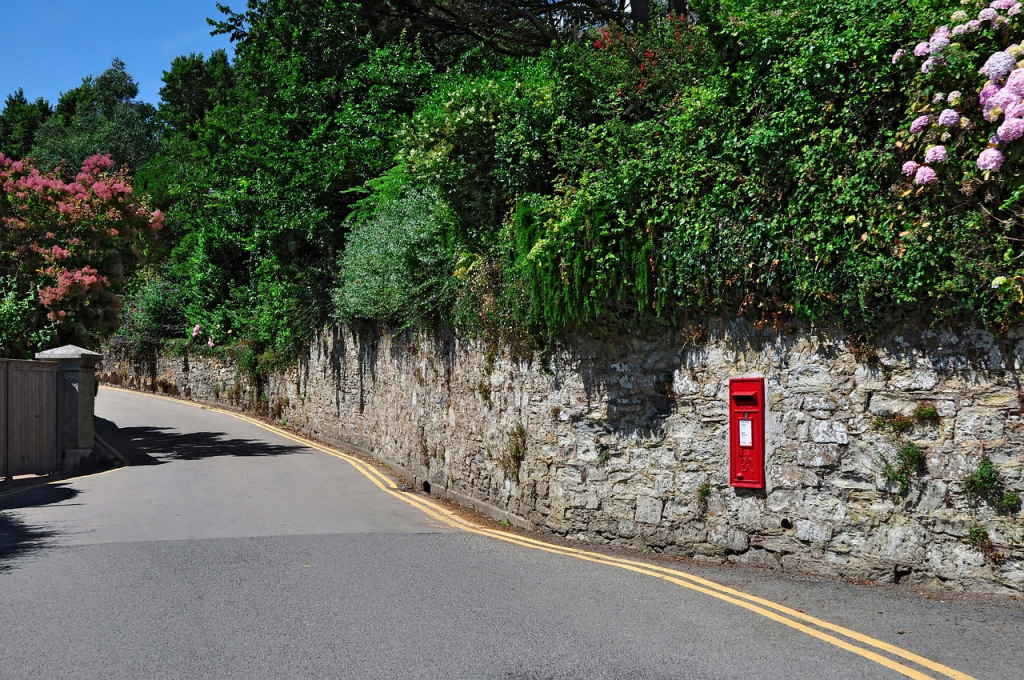
Cornwall and “hidden gem” do not usually belong in the same sentence. Yet the Roseland Peninsula still manages to feel relatively hushed, especially compared with the county’s most photographed hotspots.
What you get here is a softer, more sheltered version of Cornwall. There are creeks instead of dramatic surf beaches, small villages instead of full-scale resort energy, and a landscape that encourages pottering as much as purposeful exploring. St Mawes is the obvious anchor, but the wider peninsula is what makes the area memorable.
This is a strong choice for travellers who want Cornwall’s atmosphere without committing to its busiest circuits. If your dream trip involves non-stop activity and landmark-hopping, it may feel too gentle. If you want estuary views, ferry crossings and a calmer pace, it is an excellent fit.
How to choose the right hidden gem for your trip
The smartest way to approach UK hidden gem destinations is to match the place to the mood of the trip. Not every underappreciated destination works for every traveller. A creative small town and a remote peninsula may both be memorable, but they offer entirely different kinds of break.
Ask what you actually want from the journey. If it is restoration, look for places with easy walking, strong food and enough comfort to settle in. If it is stimulation, choose somewhere with layers – history, neighbourhood life, a changing landscape, or a cultural scene that reveals itself over a couple of days. The point is not to collect obscure names. It is to find places that still feel specific.
That is where discovery becomes more than a trend label. The best trips are rarely about finding somewhere nobody else has heard of. They are about arriving somewhere with substance, listening closely, and leaving with a clearer sense of why that place matters at all.

[yarpp]