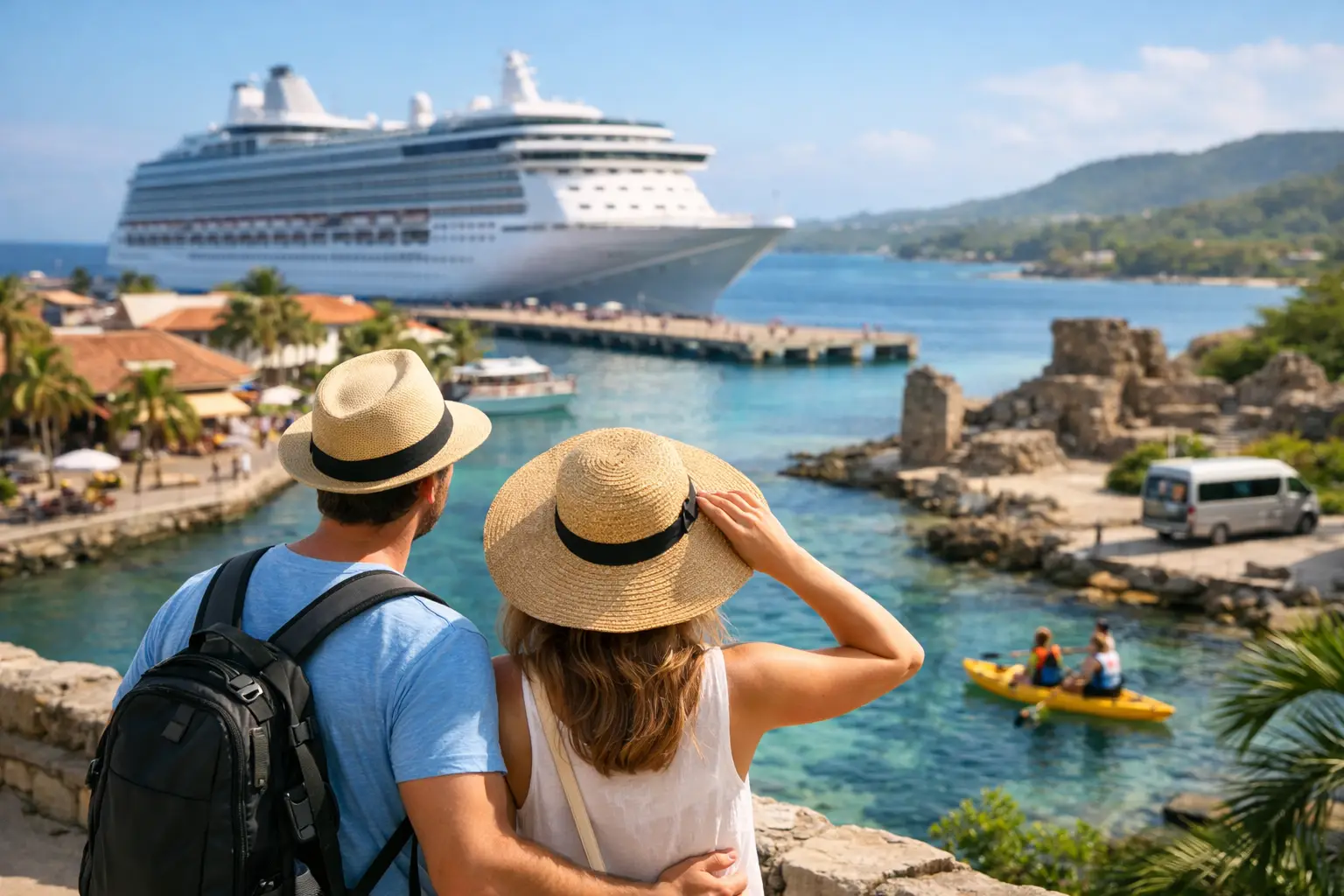
A cruise itinerary can look wonderfully busy on paper: a new city, island or harbour nearly every morning. Yet the best cruise port day ideas are not about racing through a checklist before sailing time. They are about choosing one experience that gives a place some texture – a market breakfast, a coastal walk, a museum with a point of view, or lunch somewhere people still speak the local language around you.
The practical constraint is obvious. You have a fixed window, a ship to return to and, depending on the port, a fair distance between the terminal and the thing you came to see. But that need not make every day feel managed. With a little thought before you sail, a port day can be one of the most rewarding parts of the holiday.
Start with the port, not the headline destination
A port name can be misleading. Some ships dock in the middle of a city, where you can step ashore and be at a café within ten minutes. Others use an industrial harbour or a smaller coastal town that serves as a gateway to somewhere better known. The distinction changes everything.
Before booking an activity, establish three simple facts: where the ship actually docks, how long it takes to reach your preferred sight, and what time you must be back on board. The advertised arrival and departure times are not the same as the time you can realistically start exploring. Allow for disembarkation, shuttle buses, queues and a few unhurried minutes to get your bearings.
Also check whether your ship is alongside or tendering. Tender ports, where small boats carry passengers from the ship to shore, can be atmospheric but less predictable. If you have reserved a tour with a firm start time, make sure your tender slot leaves generous breathing room.
Choose one of three good port-day shapes
The most satisfying days ashore usually follow one of three patterns: a focused excursion, independent city time, or a deliberately slower local day. Trying to combine all three is how a promising morning turns into a frantic afternoon spent looking at map pins.
Take an excursion when distance is the point
A guided shore excursion earns its place when the main attraction is far from the port, transport is awkward, or you want context that you would not get from a signboard. Think archaeological sites, wine regions, dramatic countryside, wildlife encounters or cities reached by a long scenic drive.
Ship-organised tours offer the strongest reassurance on timing. If the coach is delayed, the ship knows where you are. Independently booked tours can be smaller, more personal and sometimes better value, but only choose an operator with clear timings, strong recent reviews and a stated return-to-port policy.
The trade-off is freedom. A large coach tour can make a remarkable place feel hurried, particularly when several ships are in port. If you book privately, look for groups small enough to ask questions and itineraries that leave time to wander rather than simply photograph the view from a designated stop.
Explore independently when the city is close
Walkable ports are an invitation to keep the day loose. Pick a neighbourhood rather than attempting every landmark, then build the day around two or three things: perhaps a food market, a historic quarter and a long lunch. You will notice more by doing less.
Public transport can work well in major cities, especially when the cruise terminal is connected by tram, metro or train. Download offline maps before leaving the ship, carry a portable charger and keep the ship’s daily newsletter or port information handy. It often includes practical details such as terminal shuttles and local taxi arrangements.
Independent exploration suits confident travellers who enjoy following a side street because it looks promising. It is less ideal where the port area has limited transport, where language barriers are significant, or where a late return could become expensive. Know yourself. There is no prize for doing a complicated day independently.
Stay close when the port itself has character
Not every call needs a headline attraction. A smaller harbour can be the perfect place to swim, take a coastal path, browse a produce market or settle into a waterfront restaurant. This is particularly valuable on an intensive itinerary, when an easy day can preserve your enthusiasm for the places still ahead.
A slow port day works best with a modest plan. Find one excellent local lunch spot, one viewpoint or cultural stop, and one route back to the ship that you understand without consulting your phone every five minutes. Leave room for a coffee, an ice cream, or the mildly glorious business of watching a working harbour go about its day.
Cruise port day ideas for different kinds of traveller
For food-minded travellers, book a market walk or a cooking class early in the day, then use what you learn to order lunch with more confidence. A local guide can turn a plate of unfamiliar snacks into a story about migration, farming or family recipes. If a formal tour feels too structured, seek out a specialist food shop, bakery or covered market near the centre.
For culture seekers, resist the urge to visit five museums. Choose one with a strong connection to the destination, then give it enough time to settle in. Pair it with a walking tour of the surrounding streets or a visit to a historic house, church or workshop. The combination of broad history and a specific place is usually more memorable than a museum marathon.
For active travellers, a bike ride, kayak trip or guided hike offers a useful counterpoint to life on board. Check the heat, terrain and your fitness honestly. A beautiful trail is less charming when you are exhausted, sunburnt and watching the clock. Bring water, wear proper footwear and choose an activity that ends well before your return deadline.
For families and multigenerational groups, choose ease over ambition. A beach with facilities, a short boat trip, an aquarium or a compact old town often works better than an all-day tour. Build in a snack stop and a toilet stop before either becomes a negotiation. The holiday is meant to be fun for the person using a walking stick as well as the child determined to collect every shell on the beach.
Build in a return-to-ship buffer
The least glamorous part of port planning is also the one that protects the whole holiday: get back early. For an independent day, aim to be in the port area at least 60 to 90 minutes before all-aboard time. In a large city, or when relying on taxis, ferries or a long train journey, give yourself more.
Do not plan a final lunch on the far side of town. Do not assume a taxi will appear instantly at a rural attraction. And do not mistake the ship’s departure time for the time you should arrive at the gangway. The ship will sometimes wait for a delayed official excursion; it is far less likely to wait for someone who has lingered over a second bottle of rosé.
Keep your passport or required identification with you, along with the ship’s contact details and the port agent’s number. Carry a little local currency where it is useful, even if you expect to pay by card. It is a small precaution that can solve an unexpectedly large problem.
Make the day feel like part of a wider trip
A cruise can introduce you to places worth returning to properly. If a port gives you that feeling, use the day to scout rather than conquer. Notice which neighbourhoods you would stay in, which coastline deserves a longer walk, and whether the city changes character after the day-trippers leave.
That is also where a pre- or post-cruise hotel stay can transform an itinerary. Arriving a night early reduces the stress of embarkation and gives you time to see the departure city without glancing at your watch. Staying on afterwards can turn a fleeting port impression into a fuller city break.
For destination-specific planning, the Destination Unlocked podcast is as useful as a guidebook and as personal as a chat with your most well-travelled friend. Each 40-minute episode brings together the detail and local perspective that help turn a short stop into a day with real character.
The best port day is rarely the one with the most attractions ticked off. It is the one that leaves you back on deck with salt on your skin, a good story to tell over dinner, and a clear sense that you have met a place rather than merely passed through it.