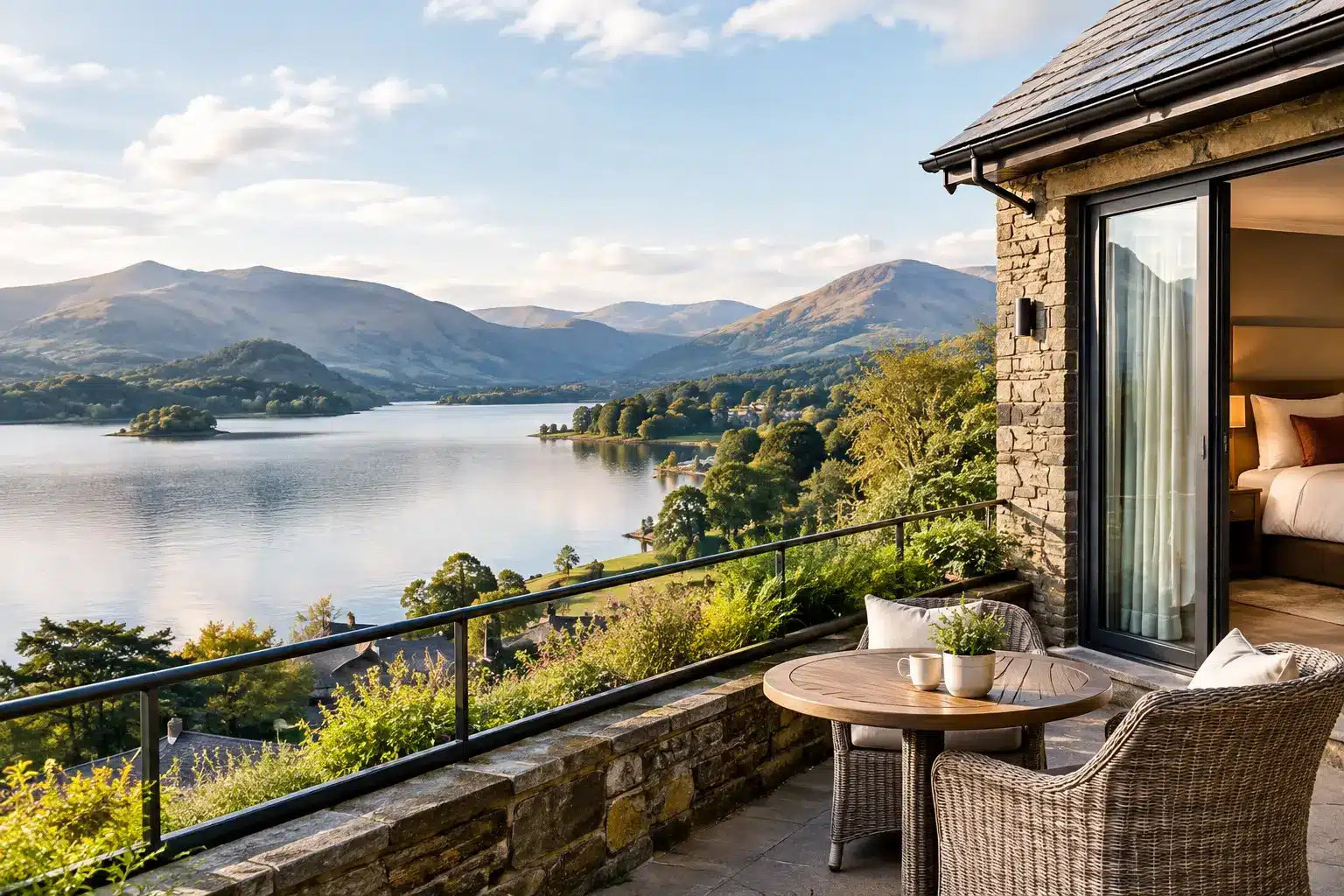
A Lake District hotel review ought to begin with a mildly inconvenient truth: the view from your bedroom may matter less than the road outside it. A handsome inn on a narrow valley lane can feel wonderfully remote at breakfast, then rather less charming after a wet-day dinner when the walk back involves no pavement, no streetlights and a determined downpour.
The Lake District rewards choosing a base with the same care as choosing a walk. Stay in the right village and you can leave the car alone, stroll to supper and be on the water or the fell before the day-trippers arrive. Stay in the wrong one for your plans and even the loveliest hotel becomes a very pleasant place from which to spend too much time driving.
This is not a region for one-size-fits-all hotel advice. Windermere suits a first visit and a car-free arrival; Ambleside is excellent for walkers who still want a good choice of restaurants; Keswick feels more like a proper market town and opens up the northern fells. Then there are the quieter valleys, where a country-house hotel can turn a two-night escape into a genuine change of pace.
Lake District hotel review: choose the right base first
Windermere and Bowness-on-Windermere for easy access
For many visitors, Windermere is the practical answer. Trains arrive here from the West Coast Main Line at Oxenholme, and Bowness-on-Windermere, a short taxi ride or bus journey away, puts you close to the lake cruises, boat hire and the busy promenade. It is a sensible choice for couples planning a short break without a car, or for anyone who wants the lake experience without a logistical puzzle.
The trade-off is atmosphere. Bowness is lively, particularly on summer weekends and school holidays, and some properties are close enough to the main roads for traffic to be noticeable. Book a room at the rear, ask about parking before committing, and do not assume that “lake nearby” means a lake view. Hotels on the higher ground above town can provide more space and better outlooks, but the walk home is uphill.
Windermere works especially well if your plans include a cruise on the lake, an afternoon at Blackwell – the Arts & Crafts house – or a relaxed first taste of the national park. It is less convincing for travellers hoping to step straight from the hotel into serious fell country.
Ambleside for walking with a lively evening attached
Ambleside has that rare combination of outdoor credentials and a sociable centre. From here, you can walk to Loughrigg Fell, set off towards Grasmere, take a boat across the water, or simply browse the outdoor shops before settling into a pub. It feels compact, capable and pleasingly unpretentious.
Hotels range from traditional inns with low beams and hearty breakfasts to polished boutique stays with spas, terraces and considered wine lists. For a romantic weekend, a room with private parking and a short walk into town can be worth paying for. The centre is popular, however, and older buildings can bring thin walls, smaller bathrooms and stairs. Character is delightful until you are carrying a heavy case to the third floor.
Ambleside is arguably the best all-round choice for a first Lake District hotel booking if you have a car and want a mix of walks, food and lake time. It also makes a strong base outside peak season, when its cafés and restaurants give an otherwise quiet break some welcome life.
Keswick for the northern fells and town character
Keswick has a different rhythm. It is more of a town than a resort, with a market, independent shops, a theatre and an easy-going confidence that does not depend on polished lakefront glamour. Derwentwater is close by, while Catbells, Borrowdale, Whinlatter Forest and the route towards Buttermere all sit temptingly within reach.
Choose Keswick if walking is the main event, if you are travelling with a dog, or if you like having several dinner options within a few minutes of the hotel. It is also a fine choice for families, with more to do on a grey day than in many smaller villages. The compromise is distance: it is a longer drive from the south and can be less convenient for a two-night escape arriving by train.
Look closely at the position of hotels around the one-way system and at whether parking is on site. In a town built for feet rather than modern traffic, a promised space can remove a surprising amount of friction from a weekend away.
What a good Lake District hotel actually delivers
The strongest hotels here understand that guests have come to be outside. They provide a drying room or somewhere sensible for boots, an early breakfast for walkers, staff who can explain the local weather without theatrical optimism, and dinner worth staying in for after a long day. A beautiful bedroom is welcome; a place to put wet waterproofs is often more useful.
Service matters, too. The most memorable stays offer local knowledge that is specific rather than vague: which section of path is muddy after rain, where to park before a popular walk, or which village restaurant needs booking well ahead. A concierge who suggests “the lakes” has not really helped anyone.
Country-house hotels in the valleys often excel at the restorative side of a Lake District break. Think open fires, generous grounds, afternoon tea and the possibility of doing very little. They are ideal for anniversaries and slower winter weekends, but they usually require a car and advance restaurant reservations. If you plan to spend each day hiking from dawn, a central inn may offer better value than an elaborate suite you barely see.
Spa hotels deserve a similarly clear-eyed assessment. A pool, sauna or treatment can be blissful after a wet walk, particularly in autumn, but check whether access is included, whether children have set swimming times and whether the spa is in the main building. Not every “spa break” is equally peaceful.
Booking details that change the stay
Before booking, read the room descriptions rather than relying on the property’s photographs. In the Lake District, a classic room may mean a compact room, a partial lake view can be a glimpse through trees, and an annexe can be across a road or through a car park. None is necessarily a deal-breaker, but they should be choices rather than surprises.
If a view is central to the trip, pay for the named lake- or fell-view category. If you will be out all day, prioritise location, parking and breakfast instead. For a special occasion, it can be worth requesting a quieter room away from the bar, kitchen extraction or main road. A polite note at booking is more effective than an unhappy conversation on arrival.
Timing makes a material difference. Summer brings long evenings, busy roads and premium rates. Autumn offers colour, cosy dining rooms and occasionally dramatic weather. Winter can be exceptionally peaceful, with lower prices and crackling fires, although short daylight and weather disruption require flexible plans. Spring is glorious when conditions cooperate, but school holidays fill quickly. For popular Saturdays, booking dinner at the same time as your room is sensible rather than overly organised.
The Lake District is also a place where cancellation terms deserve attention. Weather, rail disruption and winding roads can complicate an otherwise straightforward journey. A flexible rate may cost more, but it can be a worthwhile insurance policy, especially for a winter break or a trip built around a single special meal.
Make the hotel part of the trip
A hotel should not merely be a place to collapse between outings. In this landscape, it can shape the holiday: a quiet terrace for watching the weather roll over the fells, a bar where tomorrow’s route takes shape, or a breakfast that sends you out before the car parks fill. Build in one unhurried evening to enjoy it.
For more of the local context behind the place names and postcard views, the Destination Unlocked podcast is as useful as a guidebook and as personal as a chat with your most well-travelled friend. Each 40-minute episode brings together the practical details and human perspective that make a great trip feel less like a checklist.
Book the Lake District hotel that suits the holiday you actually want, not the photograph you first saved. A room in the right village, with a good breakfast and dry boots waiting by the door, has a way of becoming part of the story you remember.