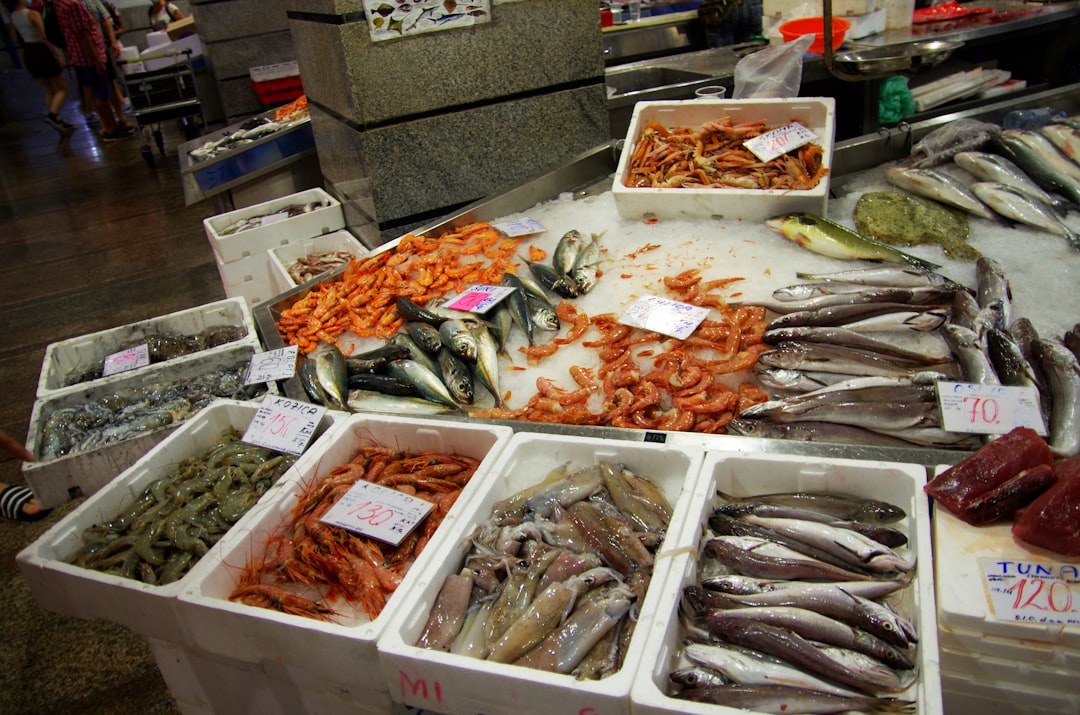
To eat well on Croatia’s coast, order regionally: truffles and fuži in Istria, scampi in Kvarner, grilled fish and peka in Dalmatia, and šporki makaruli around Dubrovnik. The food changes along the Adriatic, which is precisely why a single list of “Croatian dishes” never tells the whole story.
Look for a konoba, traditionally a cellar or tavern, with a short menu and a clear sense of place. Ask what is local, what is in season and whether dishes such as peka must be ordered ahead.
1. Kvarner scampi
Kvarner scampi are celebrated for their delicate flavour and are often prepared na buzaru, with wine, garlic, parsley and tomato. This is a dish to eat slowly, with bread for the sauce and no concern for looking elegant.
2. Istrian truffles with fuži
Istria’s wooded interior is known for truffles. One of the most satisfying ways to try them is with fuži, quill-shaped pasta that holds a creamy sauce well. Fresh truffle should be the flavour, not merely a decorative shaving on an otherwise ordinary plate.
3. Peka
Peka describes the method as much as the dish. Meat or octopus is cooked slowly with potatoes and vegetables beneath a domed metal lid covered with hot embers. The result can be exceptional, but it requires time. Many restaurants ask guests to order it in advance.
4. Grilled Adriatic fish
Fresh fish grilled simply over charcoal may be the most convincing meal on the coast. Ask which fish is local and how it is priced. It is commonly served whole, with olive oil, garlic, parsley and lemon.
5. Blitva
Blitva is Swiss chard cooked with potatoes, garlic and olive oil. It appears beside grilled fish so frequently that visitors can underestimate it. Done well, it is generous, savoury and exactly the accompaniment the fish needs.
6. Black risotto
Crni rižot gets its dark colour from cuttlefish or squid ink. It should taste of the sea rather than only looking dramatic. Order it as a starter to share if you want room for grilled fish afterwards.
7. Gregada
Associated particularly with Hvar, gregada is a fish stew made with potatoes, onion, olive oil, garlic and wine. Its simplicity depends on good fish and patient cooking. It is the sort of dish that makes more sense beside the harbour than under restaurant spotlights.
8. Pašticada
Dalmatian pašticada is a slow-cooked beef dish with a sweet-sour depth, often served with gnocchi. Recipes vary between families, which is part of its appeal. It provides a rich alternative when another plate of seafood would be one too many.
9. Šporki makaruli
Dubrovnik’s “dirty macaroni” is pasta with a deeply flavoured meat sauce. The name refers to the way the sauce stains the pasta. It is less internationally famous than Dubrovnik’s walls, but far more useful at dinner time.
10. Dalmatian pršut and Pag cheese
Dalmatian dry-cured ham and Paški sir, the hard sheep’s cheese from Pag, make an excellent opening plate. Add olives and local wine, but resist turning a regional product into a generic grazing board with more decoration than flavour.
11. Fritule
Fritule are small fried dough treats found in Istria, Kvarner and Dalmatia, particularly around celebrations and in cooler months. They may contain raisins, citrus zest or a little rakija and arrive dusted with sugar.
12. Olive oil, wine and rakija
Croatian olive oil is one of the most useful souvenirs because you can continue enjoying it at home. Istrian Malvazija, Pošip from Korčula and nearby islands, Grk from Lumbarda and Plavac Mali from Dalmatia are worth seeking out. Rakija is a broad family of fruit and grape brandies, often homemade and offered as hospitality. Treat the strength with respect.
How to find a good konoba
- Look for a menu that reflects the region rather than every Croatian dish at once.
- Ask which fish arrived that day and whether it is priced by weight.
- Order peka ahead when required.
- Choose local wine by the glass and ask the server what suits the dish.
- Step one street back from the busiest waterfront when prices feel designed for the view.
Is Croatian food expensive?
Prices have risen sharply in the most visited coastal destinations. Dubrovnik and Hvar Town can be particularly expensive in high season. Lunch menus, bakeries, markets and family-run konobas away from the busiest promenades can offer better value. Check the menu before sitting down and ask about fish sold by weight.
What do vegetarians eat in Croatia?
Coastal menus are often dominated by meat and fish, but blitva, grilled vegetables, salads, cheese, truffle pasta and vegetable risotto are widely available. Confirm whether stocks and sauces are meat-free. In larger towns, dedicated vegetarian restaurants provide more choice.
Hear Mary Novakovich’s Croatian food recommendations
Kvarner scampi, peka, grilled fish, blitva, Istrian truffles and Croatian olive oil all feature in the Coastal Croatia episode of Destination Unlocked. Mary brings decades of first-hand experience and a family connection to the country. Explore the wider journey in our Croatia destination hub.
Frequently asked questions
What is Croatia’s most famous coastal dish?
Peka is one of the best known, although it is a cooking method rather than one fixed recipe. Grilled fish, black risotto and pašticada are equally important in Dalmatia.
What food should you try in Dubrovnik?
Try šporki makaruli, fresh fish, shellfish and rožata, Dubrovnik’s custard dessert.
What should you bring home from Croatia?
Good Croatian olive oil, local wine and packaged Pag cheese are practical choices, subject to the import rules of your destination.