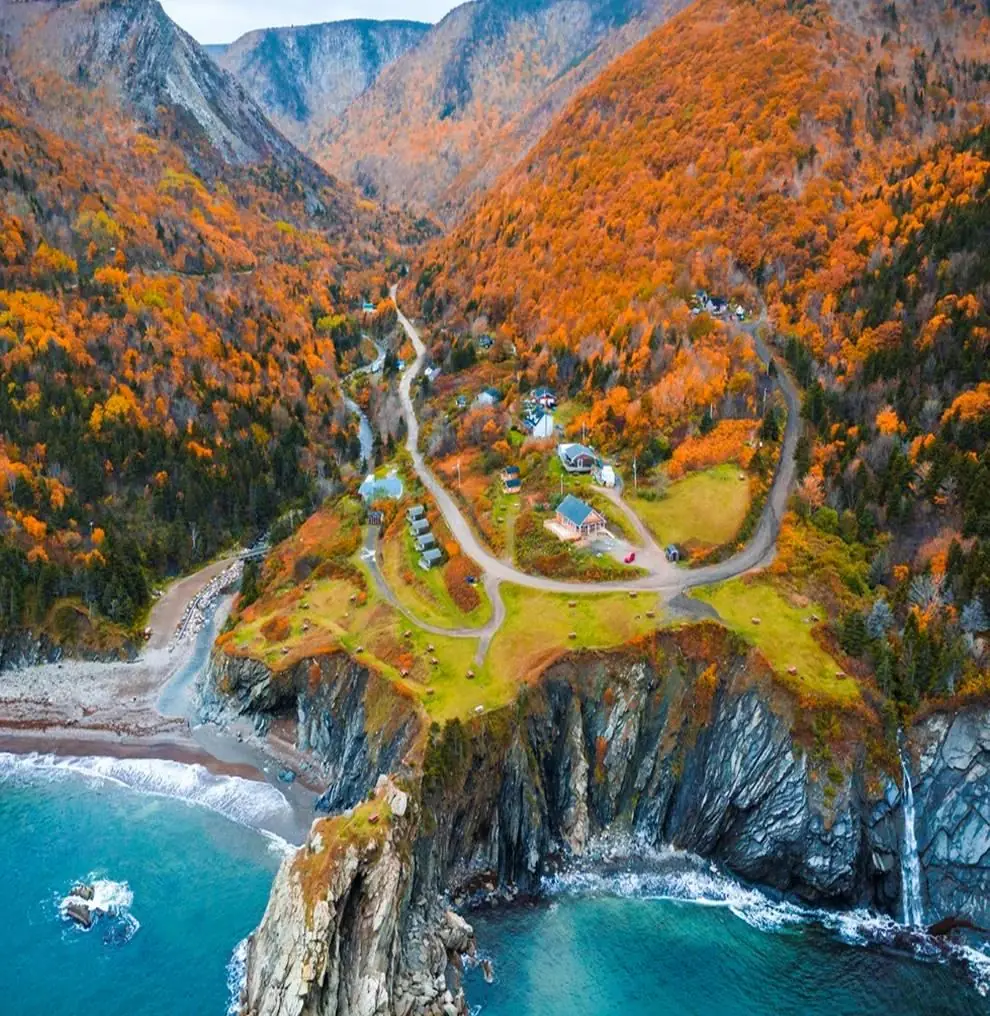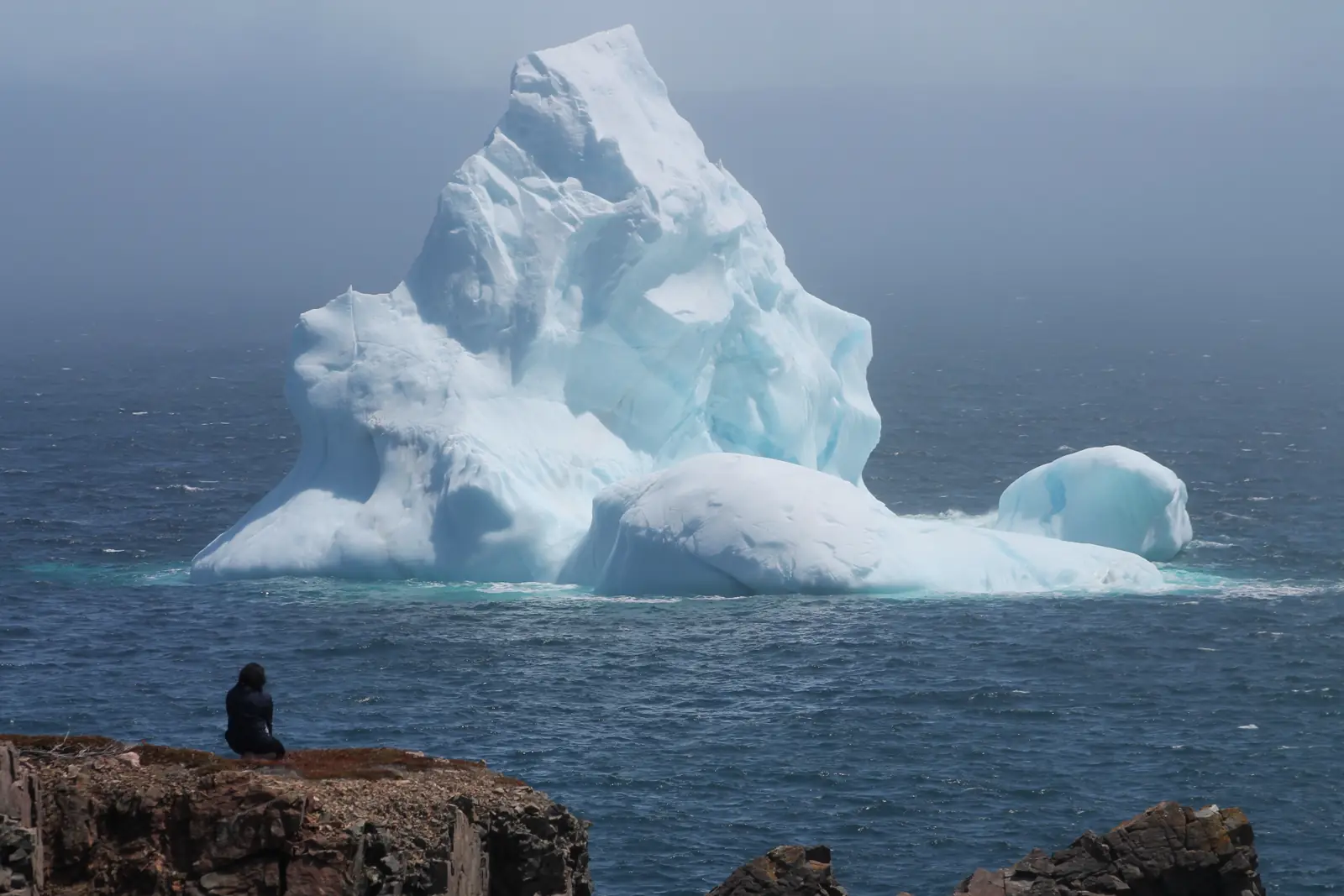
Canada’s Atlantic coast invites a different sort of holiday from the Rockies. Here the conversation turns to harbours, fishing communities, maritime history, coastal drives and the possibility of seeing a great block of ice drifting past the shore.
Sandra Potter is particularly fond of Nova Scotia and Newfoundland. Daniel shares that affection, recalling cruises, museum visits and his own encounters with Iceberg Alley. Their conversation offers plenty of reasons to consider the east as a holiday in its own right.
Start Nova Scotia in Halifax
Halifax gives you a city base and a useful introduction to the province. Daniel particularly enjoyed the Citadel and its history, while the episode discusses the Halifax Explosion and the waterfront. Make time to explore the city before moving on to the coastal stops.
A good road trip need not begin with a long drive. A day spent getting your bearings, visiting a museum and enjoying a meal can give the places ahead more meaning. Choose what interests you rather than trying to fit every attraction into an arrival afternoon.
Peggy’s Cove and Lunenburg
Peggy’s Cove features prominently in the episode, with its lighthouse and working fishing village. Tourism Nova Scotia’s suggested route continues along the South Shore through Mahone Bay to Lunenburg. That is a useful reminder that the appeal extends beyond one famous photograph.
Lunenburg’s colourful streets and maritime character reward time on foot. Consider a slower coastal itinerary with stops you can actually enjoy, rather than assuming every place can be reduced to a brief detour on the way somewhere else.
Cape Breton deserves its own time
Further north, the conversation brings in Baddeck, the Alexander Graham Bell National Historic Site and the Fortress of Louisbourg. Cape Breton also offers the Cabot Trail and Cape Breton Highlands National Park, making it a substantial addition to a Nova Scotia holiday.
Choose the balance you want between history and scenery, then allow enough time for the journey. A province can look compact beside the rest of Canada without being small enough to explore thoroughly in a couple of hurried days.
Newfoundland: begin with St. John’s
Both Daniel and Sandra have warm memories of St. John’s. It is in Newfoundland and should not be confused with Saint John in New Brunswick. Keep the distinction in mind when searching for flights, hotels and onward travel.
Newfoundland merits a plan of its own. If iceberg viewing is a priority, look at where you hope to see them before choosing the rest of the route. The episode discusses Twillingate, but the official visitor guidance describes opportunities along a much longer stretch of coast.
When to look for icebergs
Newfoundland and Labrador’s tourism guidance suggests late May and early June for iceberg viewing around Newfoundland. Actual sightings depend on the year and location. Build the trip around a season that gives you a chance, then use current local reports to decide where to go.
Sandra recalls a June visit with memorable icebergs, while Daniel remembers seeing them during his travels. Their stories capture the attraction without turning a natural phenomenon into a guaranteed appointment.
A note on the geography
Atlantic Canada comprises Nova Scotia, New Brunswick, Prince Edward Island, and Newfoundland and Labrador. The Maritimes refers to the first three. The distinction is useful when researching itineraries and understanding which places a regional guide includes.
If you have limited time, choose Nova Scotia or Newfoundland as the centre of the holiday. Give it enough attention to become a place you know a little, rather than simply another name you have passed through.
For Sandra’s recommendations and the stories behind them, listen to Canada with Sandra Potter. Explore more in our Canada destination guide.
Useful planning links: Nova Scotia itinerary ideas · Official iceberg viewing guidance.
Featured photograph: Frontier Travel.
In photographs