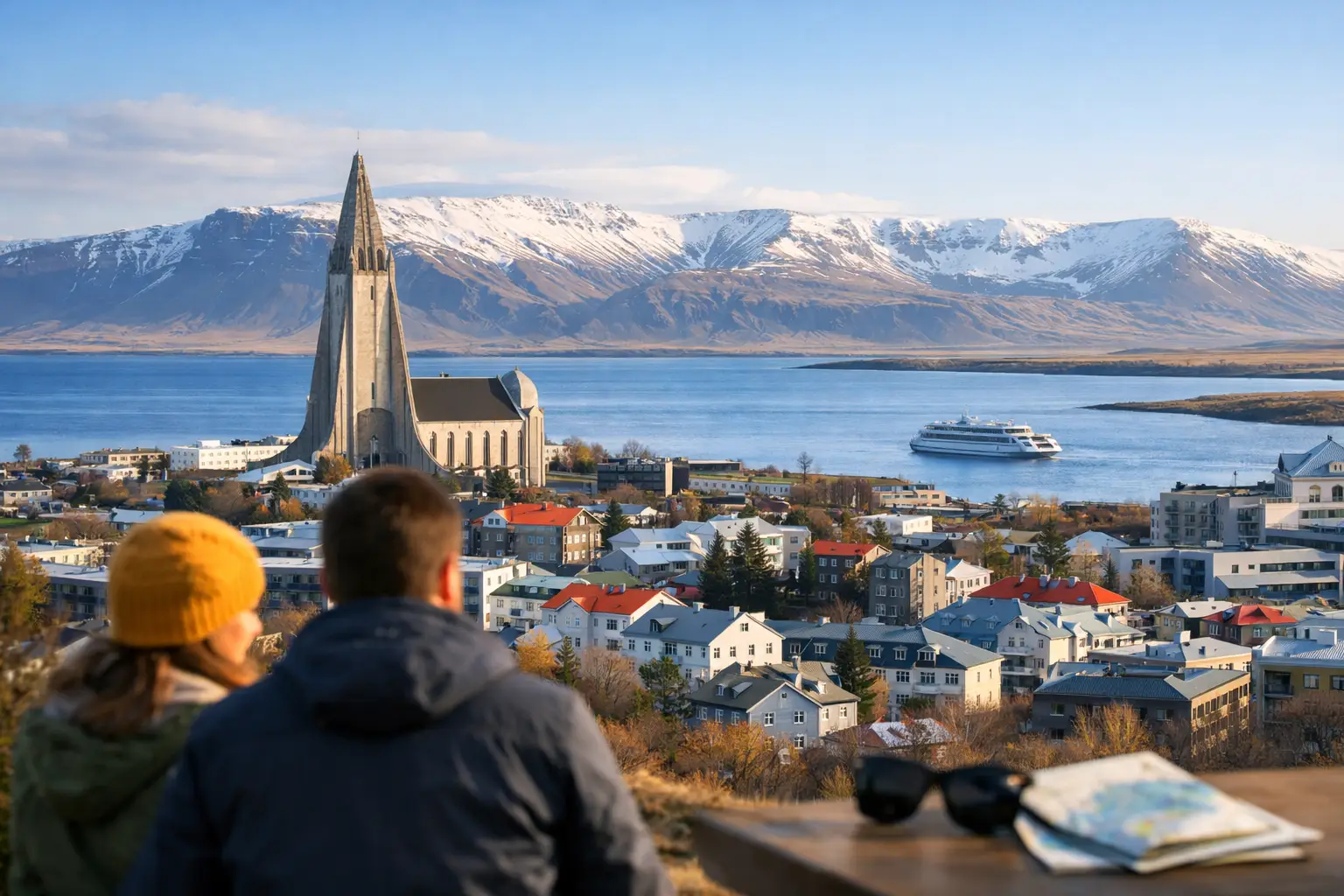
Three hours into a January afternoon, Reykjavik can look as if someone has turned the dimmer switch down on the day. That is either deeply romantic or mildly alarming, depending on your relationship with darkness, wool layers and expensive pints. Any honest Reykjavik city break review has to start there, because this is not a bargain European weekend with a few pretty streets and a church on a hill. It is a small capital on the edge of the Arctic, with geothermal pools, sharp design, startling landscapes and prices that can make even seasoned travellers blink.
That said, Reykjavik is also one of the easiest short breaks in Europe to love. Flights from the UK are manageable, the city centre is compact, and the payoff is unusually high. Few places let you spend the morning browsing independent shops, the afternoon in a steaming outdoor lagoon and the evening watching the sky for northern lights.
Reykjavik city break review: who it suits best
Reykjavik works particularly well for travellers who want a short break that feels decisively different from the standard city-hop formula. If your ideal weekend involves galleries, coffee shops and late dinners in lively neighbourhoods, there are stronger candidates elsewhere in Europe. If you want drama, atmosphere and the sense that nature is never very far away, Reykjavik is unusually compelling.
It suits couples well, especially in autumn and winter, when the city leans into candlelit bars, warm pools and weather that makes you feel pleasingly rugged after a ten-minute walk. It is also a good fit for friends who do not mind spending a bit more in exchange for memorable experiences. Solo travellers tend to find it easy to navigate, though the cost can sting more when you are not splitting rooms and taxis.
Families can certainly make it work, but this depends on expectations. Younger children may adore the pools and whale-watching boats, yet some of the appeal here is subtle: the landscape, the light, the weather, the feeling of being somewhere geologically restless. Teenagers who are up for that will get far more from the trip than those hoping for non-stop urban entertainment.
What Reykjavik gets right
The city’s greatest strength is that it feels distinctive without being difficult. You can walk much of central Reykjavik, and despite its small size it does not feel slight. There is enough to fill two or three days comfortably, and the setting does a lot of work. Colourful corrugated houses, sea views, mountain backdrops and the ever-present possibility of dramatic weather give even simple strolls a sense of occasion.
Hallgrimskirkja is the obvious landmark, but it earns its place. The church tower gives you a clear view of the city’s neat layout and the bay beyond, and from there Reykjavik makes immediate sense. Harpa concert hall is another modern classic, especially when the light hits the glass façade on a clear day. Between the two, you have a city that manages to feel both playful and severe.
There is also a pleasing confidence to Reykjavik’s food and drink scene. You do not need to be chasing fermented shark to eat well here. Good bakeries, smart brunch spots, strong coffee and restaurants with a serious interest in local ingredients all help the city punch above its weight. Fish is often excellent, lamb appears frequently, and even casual meals tend to feel considered.
Then there are the pools. This is not an optional extra. Public swimming pools are part of daily life in Iceland, and building a visit into your trip is one of the quickest ways to move from tourist to participant. The city’s neighbourhood pools are often a better bet than more polished headline attractions if you want something affordable, local and genuinely relaxing.
Where a Reykjavik break can disappoint
The obvious drawback is cost. Accommodation, dining out and alcohol are expensive by UK and European standards, and this shapes the trip more than many guides admit. You can spend cleverly rather than lavishly, but Reykjavik is not a destination where thrift goes unnoticed. Even a modest weekend can end up costing more than a longer break elsewhere.
There is also the question of scale. If you are expecting a capital packed with major museums, endless districts to explore and nightlife on every corner, Reykjavik may feel limited. Its charm lies in atmosphere rather than constant activity. Some travellers fall hard for that. Others wonder whether they have seen the essentials more quickly than expected.
Weather matters too. Harsh wind and sideways rain can make a casual afternoon wander less charming than it sounds. In winter, the short daylight hours are part of the appeal, but they do require planning. In summer, the long evenings are glorious, yet the city can feel less moody and magical if that is the version you came for.
How long should you go for?
For most people, two or three nights is the sweet spot. One full day in the city and one for a day trip or lagoon visit makes for a satisfying break without rushing. A fourth night gives you breathing space, particularly in winter when weather can disrupt plans or encourage a slower pace.
Anything shorter starts to feel expensive for the time you actually get on the ground, especially when airport transfers are added in. Anything longer can work, but then the trip becomes less a city break and more a base for wider Iceland travel. That is not a problem, but it is a different proposition.
The best things to do on a short break
A strong Reykjavik itinerary is about contrast. Start with the city itself: Hallgrimskirkja, Harpa, the Old Harbour, the Sun Voyager sculpture and the compact shopping streets around Laugavegur. Add at least one museum according to your interests. The Settlement Exhibition gives useful historical context, while the maritime and art museums are good choices if you want something more specific.
Then make room for water. Sky Lagoon has become a favourite for good reason, with a dramatic coastal setting and an experience that feels purpose-built for short-break travellers. The Blue Lagoon still has star power and works well if you want a classic first-timer experience, especially near arrival or departure. A local city pool is less glamorous but often more rewarding pound for pound.
A day trip can justify the whole break. The Golden Circle is the standard option because it is efficient and reliably impressive, but it can feel like a coach-box exercise if handled badly. If you prefer something looser, the South Coast offers black-sand beaches, waterfalls and a stronger sense of Icelandic scale. In winter, northern lights tours are never guaranteed, but the chance alone can be enough.
Is Reykjavik worth it in winter?
Yes, for many travellers winter is when Reykjavik makes the strongest case for itself. The darkness, snow, steam and warm interiors create a sense of occasion that summer cannot quite match. There is something rather satisfying about stepping out into bitter air and then sinking into hot water with your ears still freezing.
But winter is not automatically better. It depends on temperament. If cancelled excursions, slippery pavements and limited daylight would irritate you, shoulder season may be wiser. Late February, March and October often offer a good compromise, with enough atmosphere to feel seasonal but fewer of winter’s practical constraints.
Is Reykjavik good value?
This is where the answer gets slippery. Strictly speaking, no – Reykjavik is not good value in the conventional city-break sense. You will often pay more for a hotel room, simple dinner and couple of activities than you would in many larger, busier European capitals.
Yet value is not only about cost. It is also about distinctiveness. Reykjavik offers experiences that are difficult to replicate elsewhere on a short haul trip from the UK. Where else can you combine geothermal bathing, lava-field landscapes, design-led cafés and the possibility of seeing the aurora without taking a long-haul flight? If that combination excites you, the higher spend can feel justified.
The smartest approach is to spend deliberately. Prioritise one or two standout experiences rather than trying to do everything. A well-chosen hotel in the centre can save both time and money on transport. Lunch can be more affordable than dinner. And if you are going to splurge, do it on something that feels unmistakably Icelandic rather than on generic extras you could have anywhere.
Final verdict in this Reykjavik city break review
Reykjavik is not a city break for everyone, and that is part of its appeal. It is compact, pricey, weather-beaten and occasionally so cool about itself that you suspect it knows exactly how photogenic it is. But it also offers something many polished weekend destinations do not: a real sense of place.
If you want a cheap getaway packed with museums and late-night buzz, look elsewhere. If you want a short break that feels fresh, elemental and just a touch surreal, Reykjavik is absolutely worth considering. Go for two or three nights, choose your experiences carefully, and leave enough room in the plan for weather, wandering and one very long soak. That is usually when the city starts to make its point.